
Risk, Fraud & Compliance
Fraud signals, bank risk, and how compliance teams keep up.

Credit Score Between 500–619? 🏠 Don't Let It Stop You From Buying a Home. Learn More About Fha Loans in This Guide. 🚀
You've been renting for years, your rent keeps climbing, and every mortgage calculator you try seems to assume an excellent credit score. If yours sits somewhere between 500 and 619, it's easy to assume homeownership is off the table for now.
How AI Is Changing the Definition of What Counts As Financial Crime
A finance worker joins a video call with the company's CFO and several colleagues, gets instructions to move millions of dollars, and does it. Every person on that call was fake. That scenario, reported in Hong Kong in 2024, involved deepfaked participants and roughly $25 million in transfers – and it captured something bigger than a single heist.
What Is Fraud-As-A-Service and How Are Banks Fighting It with AI?
A decade ago, running a convincing phishing scam took real technical skill. Today, someone with no coding experience can rent a ready-made kit – fake bank login pages, text message templates, stolen card data, even customer support – for a monthly fee. It works a lot like subscribing to any other software service, except the product is fraud.

How AI Is Making Anti-Money Laundering Systems More Precise
If you've ever had a legitimate large purchase flagged and temporarily frozen by your bank, you've experienced the downside of old-school anti-money laundering technology firsthand. For decades, banks caught suspicious activity using rigid, rule-based systems – if a transaction crossed a certain dollar amount or matched a simple pattern, it got flagged, regardless of context. That approach caught real criminals, but it also buried compliance teams in false alarms and inconvenienced ordinary customers doing nothing wrong. AI is now changing that balance in ways that matter well beyond the banking industry's back office.

What Is Operational Risk in Banks and How Does AI Help Measure It?
When people think about risk in banking, they usually picture something dramatic – a stock market crash, a loan default, a currency collapse. Operational risk is quieter and far more common: a software outage that locks customers out of their accounts for a day, an employee error that processes a payment incorrectly, or a cybersecurity breach that exposes customer data. It's the risk of things going wrong in the everyday machinery of running a bank, and it's a much bigger factor in bank stability than most people realize.

Can AI Catch Money Laundering in Real Time?
Every year, an estimated $800 billion to $2 trillion in illegally obtained money moves through the global financial system. Banks, payment platforms, and financial regulators spend billions trying to detect it. And for most of the past few decades, the primary tool for catching it was a rules-based system that flagged transactions meeting certain criteria – large cash deposits, international transfers above a threshold, rapid account-to-account movement. The problem is that sophisticated money laundering has long since adapted to those rules. Criminals know the thresholds. They structure transactions specifically to avoid them.

How AI Detects Corporate Fraud Before Auditors Do
In 2001, Enron's auditors signed off on financial statements that were hiding billions of dollars in debt. In 2015, Volkswagen's emissions fraud went undetected through years of standard testing and review. In 2022, FTX collapsed after a period where its financials looked fine to many experienced analysts. The pattern across major corporate fraud cases is uncomfortably consistent: by the time human reviewers catch the problem, significant damage has already been done.
How AI Detects Synthetic Identity Fraud Before It Costs You
Someone who doesn't exist just applied for a credit card – and was approved. They built a credit history over 18 months, received a $15,000 limit, maxed it out, and disappeared. No real person was harmed directly. No one's wallet was stolen. But the bank lost the money, and eventually those losses get passed on through higher fees and tighter lending standards for everyone else.
How AI Flags Unusual Spending Patterns Before You Notice Them
You're on vacation in another city, you swipe your card for dinner, and thirty seconds later a text lands on your phone asking if you actually just made that purchase. You didn't do anything wrong, and nothing bad happened yet, but your bank already flagged the transaction before you even finished your meal. That instant check is one of the more visible ways AI is quietly working behind the scenes of your bank account, and it's catching far more than just the obvious stuff.

How AI Is Building More Accurate Credit Risk Models
Getting denied for a loan with the explanation "insufficient credit history" is a frustrating, common experience, especially for people who are financially responsible but simply haven't built the specific kind of credit history traditional scoring models look for. AI-powered credit risk models are changing this picture, for better and, in some more complicated ways, not always for the better. Here's what's actually happening underneath the surface.
How AI Is Changing the Way Banks Assess Loan Default Risk
Imagine applying for a loan and getting approved or denied in seconds, not because a loan officer rushed through your file, but because an algorithm analyzed thousands of data points about your financial behavior before you even finished your coffee. This is already happening at many banks and lenders, and it's changing not just how fast decisions get made, but what actually counts as "risky" in the first place.

How AI Is Changing the Way Banks Handle Customer Disputes
You spot a charge you don't recognize, open your banking app, tap "dispute this transaction," and a few days later the money is back in your account, sometimes before a human has even looked at your case. That speed isn't magic, and it isn't just a faster support team either. It's AI quietly doing a huge amount of the analysis that used to take a human investigator days or weeks to work through manually.

How AI Is Combating Sim Swap Fraud in Mobile Banking
Imagine opening your banking app one morning and finding your phone has no signal, then discovering someone has already drained your account using a phone number that used to be yours. This is SIM swap fraud, and it's one of the more disruptive forms of financial crime precisely because it hijacks the very tool most people rely on to secure their accounts. Banks and mobile carriers are increasingly turning to AI to catch this kind of fraud before it causes damage, and understanding how that actually works helps you recognize why certain security steps exist and what to watch for yourself.

How AI Is Helping Regulators Monitor Systemic Risk Across Banks
When a regional bank collapsed in early 2023, it took less than 48 hours from the first signs of trouble to a full deposit run, moving faster than regulators using traditional monitoring methods could realistically track. That speed problem is exactly what's pushed financial regulators around the world to start incorporating AI into how they watch for systemic risk – the kind of interconnected banking trouble that can spread from one institution to the broader financial system.
How AI Is Reducing False Positives in Fraud Alerts
You're at a restaurant abroad, trying to pay for dinner, and your card gets declined. You call the bank. Nothing is actually wrong — your transaction just looked unusual to the system. Meanwhile, a real fraudster two states away is calmly making purchases on a different account that didn't trigger any flags at all.
How AI Risk Management Systems Protect Banks From Collapse
In 2023, Silicon Valley Bank collapsed in 48 hours. One of the fastest bank failures in US history, it wasn't caused by fraud or a rogue trader – it was a risk management failure. The bank held too many long-duration bonds, didn't adequately model what rising interest rates would do to their value, and when the math caught up with them, a bank run finished the job before anyone could respond. The collapse wiped out a significant portion of the startup ecosystem's operating capital overnight and sent shockwaves through the regional banking sector for months.

How AI Transaction Monitoring Flags Suspicious Activity 24/7
Imagine your bank notices something odd: your debit card was just used at a gas station in Miami, but 45 minutes ago it was used at a grocery store in Seattle. No human analyst caught that discrepancy in real time. The system did – automatically, within milliseconds – and it either declined the transaction or sent you a fraud alert before you even knew anything was wrong.
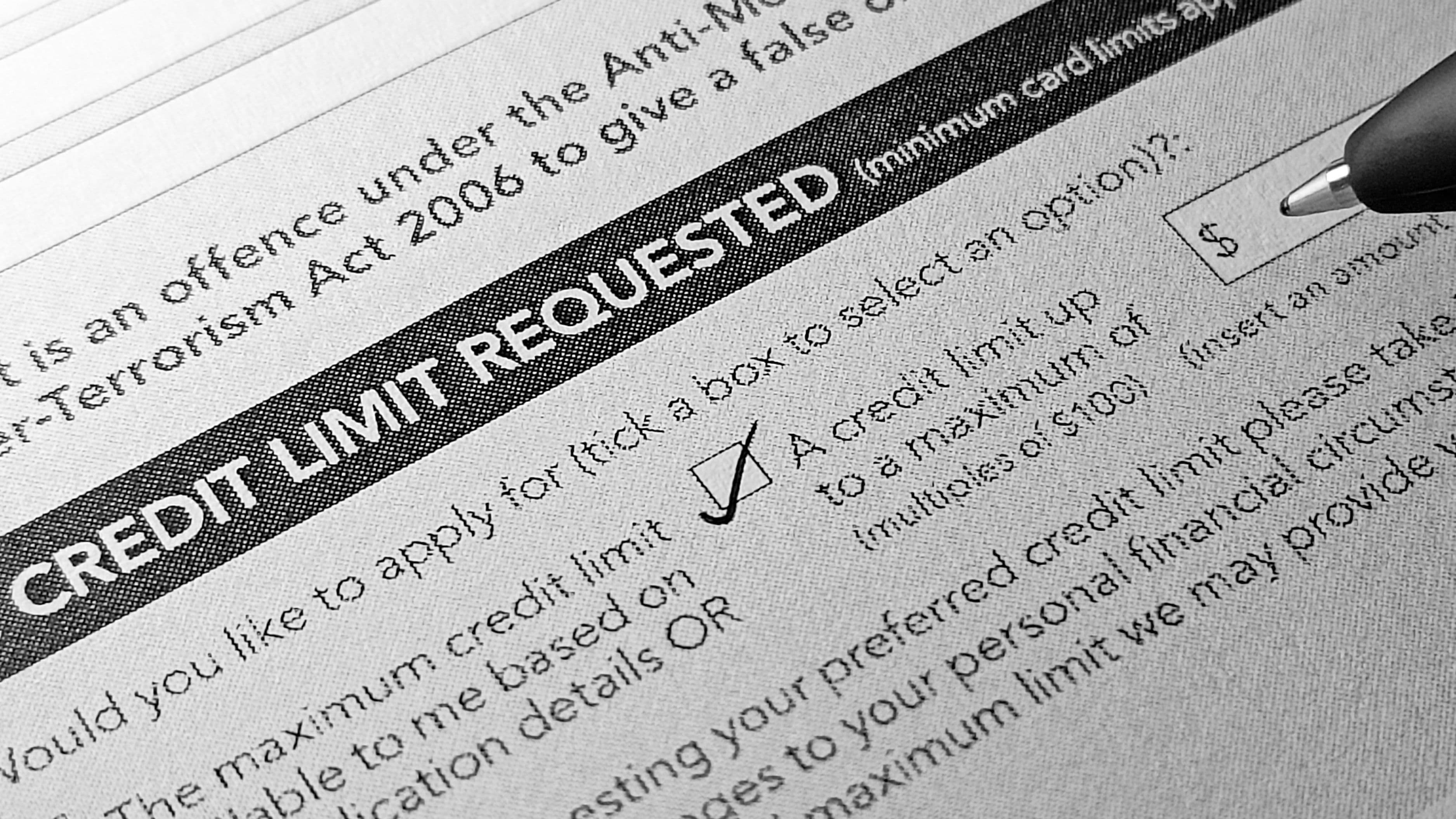
How Banks Are Using AI to Set Credit Limits More Fairly
Two people with the same income and the same credit score can walk away from the same bank with very different credit limits – and neither of them will be told exactly why. For decades, credit limit decisions were made by models that relied heavily on a narrow set of variables: your FICO score, your debt-to-income ratio, how long you'd had credit, and whether you'd ever missed a payment. These models were fast and consistent, but they left a lot of financially capable people underserved, particularly those with thin credit files or non-traditional income patterns.
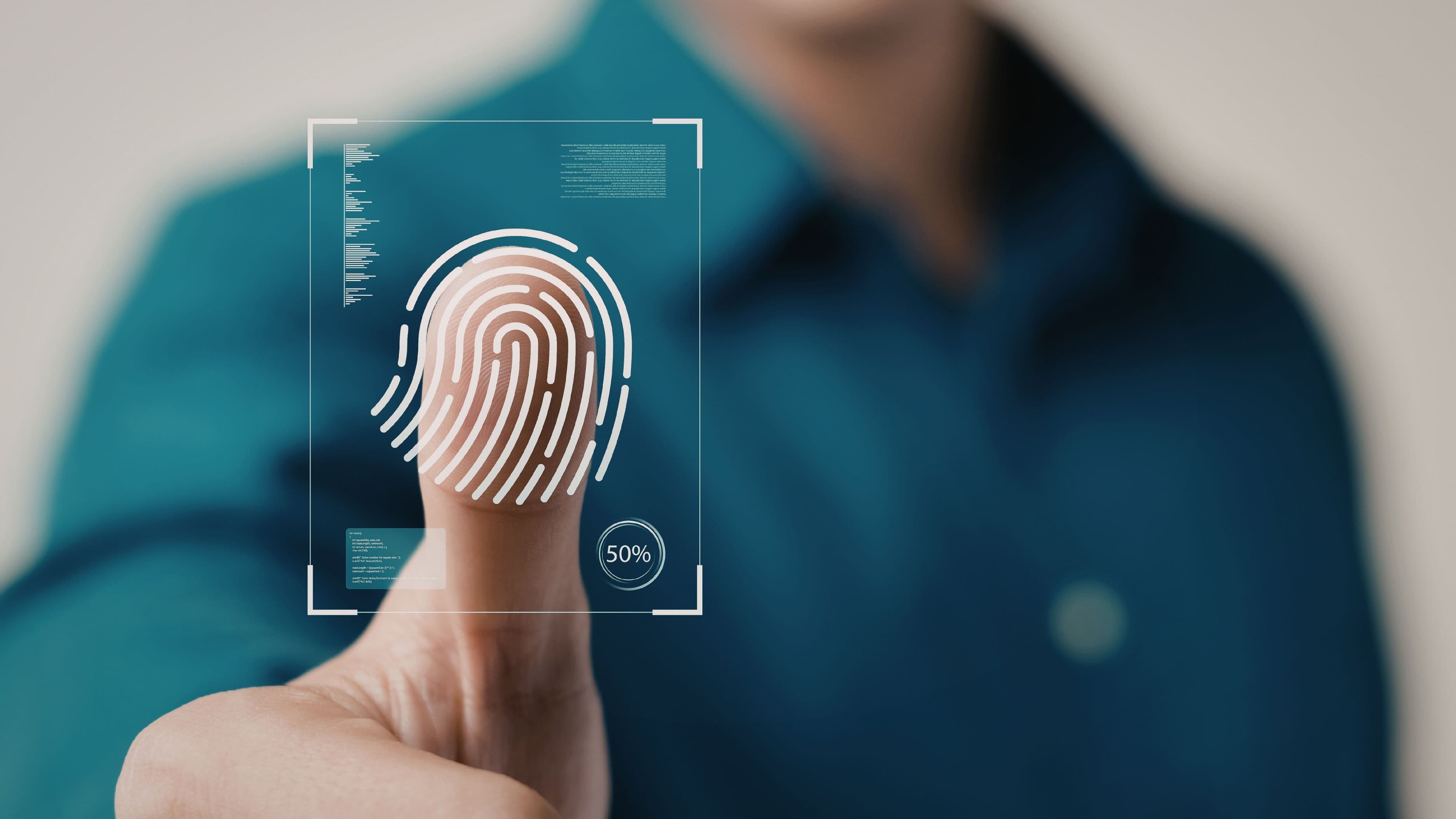
How Identity Verification AI Stops Account Takeoversv
You log into your bank account one morning and find a transaction you didn't make. Your savings have been partially transferred out. The contact details on the account have been changed. By the time you reach customer support, the attacker is already gone. This is an account takeover – and it happens millions of times a year in the United States alone, costing consumers and financial institutions billions of dollars annually.
How Phishing Attacks Targeting Bank Accounts Have Evolved with AI
You get a text from what looks like your bank. It uses your full name, references your last transaction, mentions the exact branch you visited, and warns you of suspicious activity on your account. The link looks right. The tone is perfect. You almost click it – or maybe you do. That message wasn't sent by a person. It was generated in seconds by an AI system, personalized from scraped data, and sent to thousands of people simultaneously.

Voice Biometrics in Banking: How Your Voice Becomes Your Password
You call your bank to dispute a charge. Before you've finished explaining why you're calling, the system has already confirmed your identity – not because you entered a PIN or answered a security question, but because it recognized the unique characteristics of your voice within the first few seconds of the call. No friction, no "what was your childhood pet's name," no waiting on hold while an agent manually verifies your account.
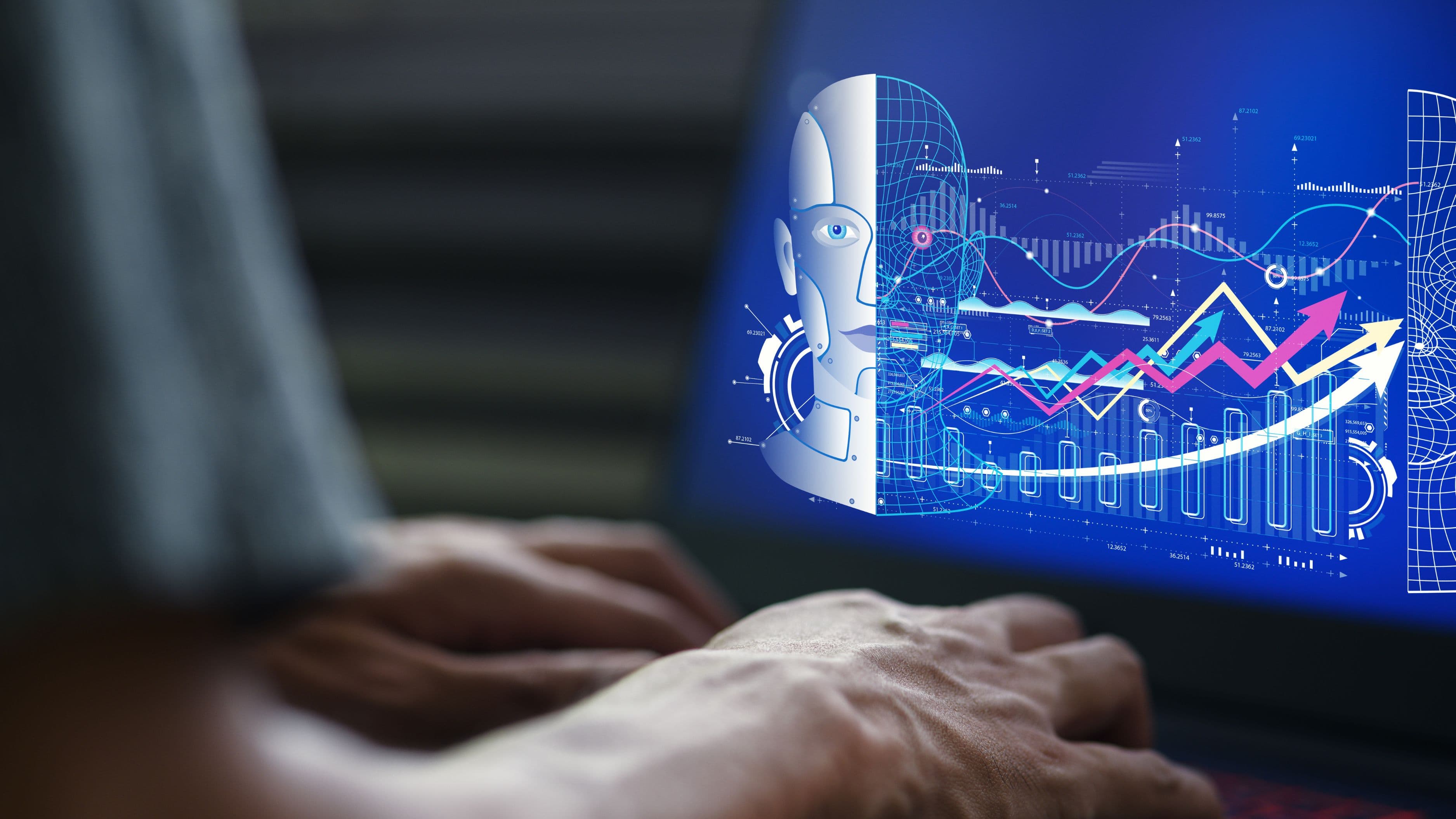
What Is Adversarial AI and Why It's a Growing Threat in Finance
Most people are familiar with the idea that hackers try to trick people – phishing emails, fake websites, social engineering. Adversarial AI takes that idea and applies it to the machine learning systems that banks and financial institutions increasingly rely on to detect fraud, approve transactions, and assess risk. Instead of tricking a person, adversarial attacks try to trick the algorithm – and the consequences in finance can be significant.
What Is Cyber Insurance and How Is AI Changing What It Covers?
A mid-sized company gets hit with ransomware on a Tuesday morning, and by Wednesday every file on their network is encrypted and unusable. That scenario used to be a worst-case story you'd hear about happening to someone else. Now it's common enough that a whole insurance category exists specifically to help businesses and, increasingly, individuals recover from it financially. Cyber insurance has quietly become one of the fastest-growing corners of the insurance industry, and AI is now reshaping both what these policies cover and how insurers decide who qualifies for coverage in the first place.
What Is Explainable AI in Credit Scoring and Why It Matters for Borrowers?
Getting denied for a loan is frustrating on its own. Getting denied with no clear explanation beyond a vague "algorithmic decision" is worse, and it's a problem that's become more common as lenders increasingly rely on AI models to evaluate creditworthiness. Explainable AI is the industry's attempt to fix this gap, and understanding what it actually means can help you make sense of your own credit decisions, and push back when something doesn't add up.
What Is Geopolitical Risk Scoring and How Do Banks Use AI for It?
A bank deciding whether to extend a large loan to a company with major operations in an unstable region, or an investment fund deciding whether to hold bonds from a specific country, both need to answer a genuinely difficult question: how likely is political instability, conflict, or a sudden policy change to disrupt this investment? That question used to rely heavily on human analysts reading news and reports.
What Is Model Risk in AI Finance and Why Should You Care?
In 2012, JPMorgan Chase lost more than $6 billion in a trading debacle now known as the "London Whale." A significant contributing factor was a spreadsheet error in the risk model being used to assess the position's exposure – a formula that divided by a sum instead of an average, effectively cutting the calculated risk in half. The model said things were fine. Things were not fine. That's model risk in its most expensive form, and it predates AI entirely.

What Is Quantum-Resistant Encryption and Why Banks Are Adopting It Now
Your bank account is protected by encryption that would take a conventional computer millions of years to crack. That sounds reassuring – and right now, it is. The problem is that a sufficiently powerful quantum computer could break the same encryption in hours. That computer doesn't exist yet at the scale required, but every major bank, government agency, and financial institution is preparing for the day it might. What they're building toward is called quantum-resistant encryption, and understanding it helps explain a significant shift happening inside the financial system right now.

What Is Reputational Risk in Finance and How Does AI Track It?
A bank's stock can drop within hours of a viral social media post, long before any regulator, lawsuit, or earnings report gets involved. That's reputational risk in action, and it's become one of the harder things for financial institutions to manage precisely because it moves faster than traditional oversight ever could. AI tools are increasingly the mechanism firms use to catch these risks early, and understanding how that works says a lot about how modern finance actually protects itself.
What Is a Financial Firewall and Why AI Is Building Them Now
Your bank probably blocked a transaction you tried to make at some point — a foreign purchase flagged as suspicious, a payment declined because it looked out of pattern, an account temporarily frozen after unusual activity. That friction you felt? That was a financial firewall at work. And what used to be a blunt, rule-based system is now becoming something significantly smarter.
What Is a Regulatory Sandbox and How Are Fintechs Using Them?
Imagine building a genuinely new kind of financial product, only to discover the regulations governing how you can test it were written decades before your technology existed. That's the exact bind many fintech startups found themselves in over the past decade, which is part of why regulators around the world started creating something called a regulatory sandbox – a controlled space where new financial products can be tested under real conditions, with regulatory oversight, before they're released to the general public.

Why AI in Compliance Is Still a Human Problem
Global banks spent an estimated $274 billion on financial crime compliance in 2022. A significant and growing portion of that is going into automated systems – transaction monitoring, sanctions screening, know-your-customer verification, anti-money laundering detection. The technology is genuinely impressive. And yet regulators keep issuing fines, compliance failures keep making headlines, and the people running these systems keep saying the same thing: the technology only works as well as the humans behind it.
Why Deepfake Audio Is Becoming a Financial Fraud Weapon
A finance employee gets a phone call that sounds exactly like their CEO, urgently requesting a wire transfer before an end-of-day deadline. The voice has the right tone, the right cadence, even the right small verbal habits. Except it isn't the CEO at all – it's an AI-generated clone of their voice, built from a few minutes of publicly available audio, and the wire transfer request is entirely fraudulent. This isn't a hypothetical scenario; cases like this have already cost companies real money, and the technology behind them keeps getting more convincing.
Why Financial Regulators Are Starting to Use AI Too
For years, AI in finance was a story about banks and fintech startups – who was building faster trading systems, smarter fraud detection, better credit scoring. The regulators were always a step behind, reviewing what the industry had already built. That's starting to change. The SEC, the CFTC, the Federal Reserve, and financial watchdogs in Europe and Asia are now actively deploying AI tools of their own – not to compete with the banks, but to watch them more effectively.
Explore other categories
Same editorial standard, different decisions.

AI Tools for Everyday Finance
Budgeting, credit, and day-to-day money decisions powered by AI.
Browse AI Tools for Everyday Finance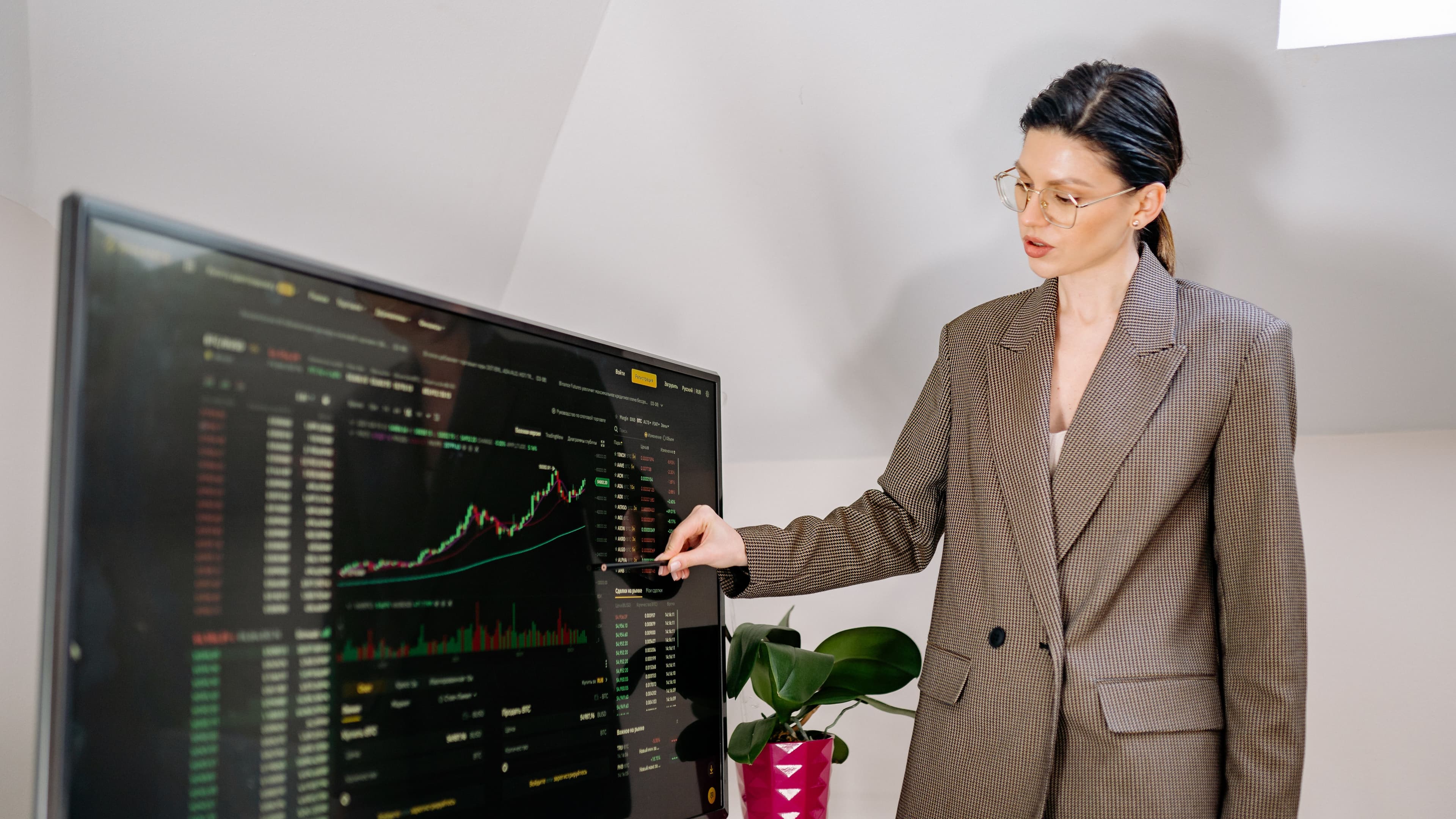
AI-Powered Investing
Markets, portfolios, and research through an AI lens.
Browse AI-Powered Investing
Emerging Fintech & Blockchain
Payments, crypto rails, and the next wave of financial infrastructure.
Browse Emerging Fintech & Blockchain
More on AI Finance Edge
Extra reads across tech, money, and the wider finance beat.
Browse More on AI Finance Edge
Smart Tax & Accounting
Tax, audits, and accounting workflows getting faster with AI.
Browse Smart Tax & Accounting