
Emerging Fintech & Blockchain
Payments, crypto rails, and the next wave of financial infrastructure.

Cash App Is Exploring the Possibility of Offering Loans That Can Be Borrowed Now and Repaid Over Six Months. Stay Informed As More Information About This Potential Service Becomes Available.
Your car needs a $900 repair, payday is two weeks away, and the app you already use to split dinner bills is offering to lend you money. For millions of people, that's what borrowing looks like now – fast, mobile, and built into the apps they open every day.
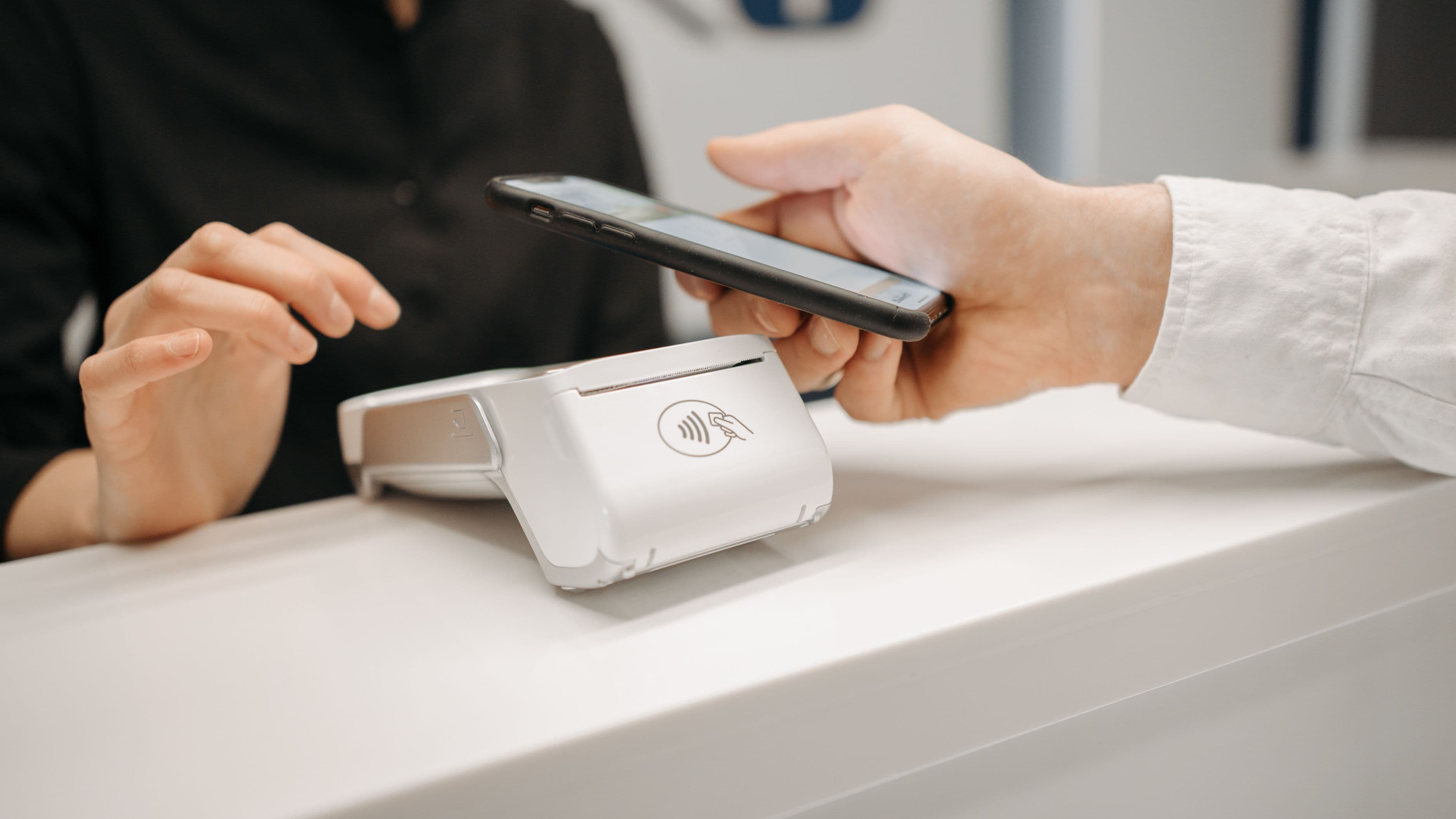
How AI Is Accelerating the Adoption of Instant Payments Globally
Picture sending money to a friend in another country and having it actually arrive in seconds rather than the two or three business days you've probably come to expect. That shift is happening faster than most people realize, and artificial intelligence is one of the quieter forces making it possible on a global scale.
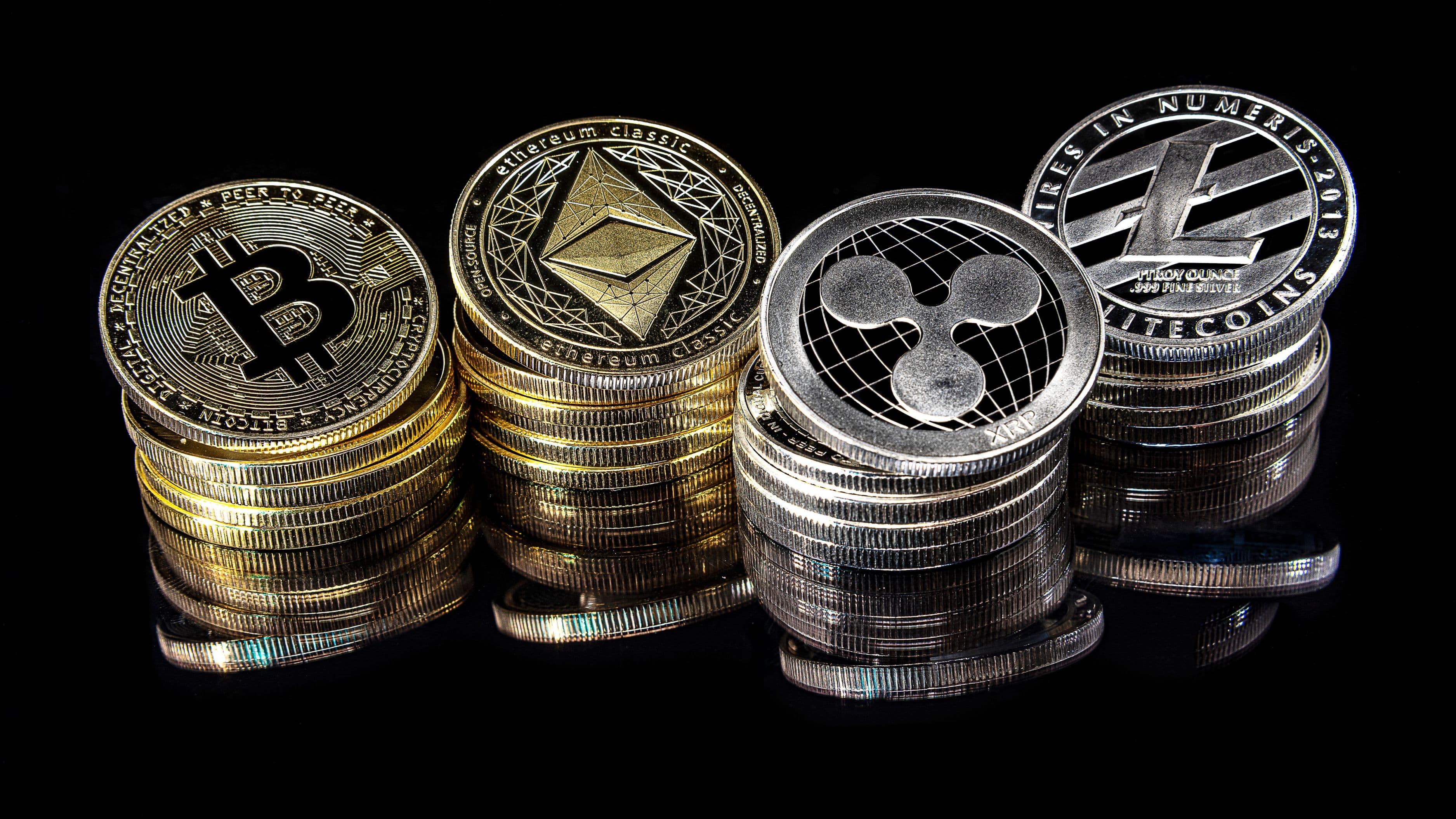
How Asset Tokenization Is Opening Private Markets to Everyday Investors
Private equity, fine art, and commercial real estate have traditionally been reserved for institutions and high-net-worth investors, often requiring minimum investments in the hundreds of thousands of dollars. Asset tokenization is starting to change that math, breaking these assets into smaller, tradeable digital pieces that ordinary investors can actually access.
How Blockchain Is Making Cross-Border Remittances Cheaper
Sending $200 to a family member overseas has traditionally meant paying anywhere from $10 to $30 in fees, waiting several days for the transfer to clear, and hoping the exchange rate along the way didn't quietly eat into the amount even further. Blockchain-based remittance services are changing that math in a real, measurable way, and understanding how they do it explains why this technology is quietly reshaping one of the most fee-heavy corners of everyday finance.

How Blockchain Is Streamlining Supply Chain Finance
Every time you buy something – a phone, a piece of clothing, a bag of coffee – that product passed through a chain of suppliers, manufacturers, shippers, and retailers before it reached you. Each handoff involved paperwork, invoices, payment terms, and financing arrangements. Most of that process still runs on fax machines, PDFs, and manual reconciliation across disconnected systems. It's slow, expensive, and surprisingly fragile.
How Cross-Border Payments Are Being Transformed by Blockchain
Sending $200 to a family member in another country used to mean handing a chunk of that money to a bank or wire service as fees, waiting several business days for the money to arrive, and hoping nothing got stuck in the correspondent banking pipeline along the way. In 2025, that same transfer can settle in seconds, with fees measured in cents rather than dollars, using blockchain infrastructure. The change isn't coming – it's already happening, and it's reshaping one of the largest and most inefficient corners of global finance.

How Crypto Lending Platforms Work and What Makes Them Different From Banks
Picture two people who've never met, in two different countries, agreeing to a loan in minutes, with no credit check, no branch visit, and no loan officer involved at all. That's the basic pitch behind crypto lending, and it's already moving billions of dollars a year through a system that looks nothing like the one your local bank runs on. Understanding how it actually works, and where it genuinely differs from traditional banking, matters if you're curious about where this piece of the financial world is headed.
How Decentralized Exchanges Work and What Makes Them Risky
Imagine trading currencies at an airport kiosk with no teller, no manager, and no bank backing the transaction – just a machine executing trades based on code, directly between you and whoever's on the other side. That's roughly the experience of a decentralized exchange, and it's become one of the more common ways people trade cryptocurrency without going through a traditional company like a bank or brokerage.
How Decentralized Finance Is Challenging Traditional Banking
Think about the last time you sent money to someone. If it went through a bank or a payment app, there was an institution in the middle – verifying the transaction, holding the funds briefly, taking a fee, and operating within a set of rules it defined. That intermediary model has been the foundation of finance for centuries. Decentralized finance, or DeFi, is built on one core premise: what if you could do all of that without the middleman?

How Decentralized Identity Could Replace Your Bank Password
Passwords remain one of the weakest links in financial security, not because encryption has failed, but because humans reuse passwords, fall for phishing attempts, and generally interact with authentication systems in ways that create real vulnerabilities regardless of how technically sound the underlying system is. Decentralized identity represents a genuinely different approach to this problem, though it's worth understanding clearly that this remains an emerging technology rather than something already replacing bank passwords at scale.
How Fintech Apis Are Connecting the Modern Financial System
When you link your bank account to a budgeting app, check your credit score on a third-party platform, or pay for something with Apple Pay, something is happening behind the scenes that most people never think about. Data is moving between systems that were never originally designed to talk to each other — securely, instantly, and with your permission. That invisible plumbing is built on APIs, and understanding how they work explains a lot about why modern finance feels so seamlessly connected compared to even ten years ago.
How Nft Finance Is Evolving Beyond Digital Art
Most people who heard about NFTs during the 2021 boom pictured expensive JPEGs and celebrity avatars. That association made the entire concept feel like a speculative bubble – which, for that particular corner of the market, it largely was. But underneath the hype, a more interesting and durable story was developing: the use of NFT technology not as a vehicle for digital collectibles, but as infrastructure for real financial products. That evolution is still unfolding, and it's worth understanding what's actually changing.
How Tokenized Bonds Are Changing Fixed-Income Investing
Buying a bond has traditionally meant working through a broker, dealing with minimum investment thresholds that shut out smaller investors, and accepting settlement times that can take days. Tokenized bonds are starting to chip away at that entire process, and understanding what's actually changing – and what isn't, yet – helps make sense of where fixed-income investing might realistically be headed.
What Are Central Bank Digital Currencies and Why Do Governments Want Them?
More than 130 countries are currently researching, testing, or rolling out a new form of government-issued money that exists entirely in digital form. You won't find it in your wallet. You might not even notice it at first when it arrives. But central bank digital currencies – CBDCs – could change how money moves, how governments track spending, and how much control individuals have over their own finances in ways that are worth understanding before they arrive at your front door.
What Are Daos and Can They Actually Replace Traditional Finance?
Imagine a bank with no CEO, no board of directors, and no headquarters – where every major decision is voted on by its customers, rules are enforced automatically by code, and anyone with an internet connection can participate. That's roughly the idea behind a DAO. It sounds radical, but DAOs already manage billions of dollars in assets and have become one of the most discussed experiments in how financial institutions might work differently.
What Is Financial Infrastructure and How Is Blockchain Rebuilding It?
Every time you swipe a card, transfer money, or check your bank balance, you're relying on a vast, mostly invisible network of systems working behind the scenes to make that transaction possible. That network is what's known as financial infrastructure, and it's quietly being reimagined by blockchain technology in ways that go well beyond the cryptocurrency headlines most people associate with the term. Understanding what financial infrastructure actually is – and why blockchain is being positioned as a genuine upgrade rather than just a speculative asset class – helps make sense of where banking and payments might be headed over the next decade.

What Is Iso 20022 and Why Is It the New Language of Global Finance?
Every time money moves between banks, whether that's a paycheck deposit, an international wire, or a stock trade settling behind the scenes, that transaction has to be described in a format both systems understand. For decades, the messaging formats handling that job were narrow and inconsistent across different countries and payment networks. A global standard called ISO 20022 is quietly replacing them, and its rollout is one of the more consequential, least talked-about shifts happening in financial infrastructure right now.

What Is Layer 2 Blockchain and Why Does It Matter for Finance?
If you've ever tried to send crypto during a busy period and paid $40 in fees for a $20 transfer, you've already felt the problem that Layer 2 is trying to solve. Blockchain networks like Ethereum are powerful but slow and expensive when a lot of people use them at once. Layer 2 is the engineering response to that constraint – and it's quietly becoming one of the most important pieces of infrastructure behind the next generation of digital finance.
What Is Proof of Stake and How Is It Changing Crypto Economics?
In 2022, Ethereum – the world's second-largest cryptocurrency network – cut its energy consumption by roughly 99.95% overnight. Not through some incremental efficiency improvement, but by switching from one system of validating transactions to another. That switch, from Proof of Work to Proof of Stake, is one of the most significant technical and economic shifts in crypto history. And it's still reshaping how crypto networks are valued, who participates in them, and how the economics of digital assets work.

What Is Quantum Computing and What Does It Mean for Your Bank Account?
The encryption protecting your online banking login, your credit card transactions, and your investment account has kept financial data safe for decades — because breaking it would take a conventional computer millions of years. Quantum computers, depending on how quickly the technology matures, could potentially do it in hours. That's not a sci-fi scenario. It's something banks, governments, and cybersecurity experts are actively preparing for right now.
What Is Web3 Banking and Is It Really the Future?
Picture checking your account balance and realizing you don't actually have a "bank account" in the traditional sense at all – just a digital wallet you control directly, with no branch, no routing number, and no customer service line to call if something goes wrong. That's the pitch behind Web3 banking, and it's gaining enough traction that it's worth understanding clearly, rather than dismissing it as crypto hype or assuming it's already replaced traditional finance.
What Is Yield Farming in Defi and Is It Worth the Risk?
If you've spent any time near crypto forums or DeFi apps, you've probably seen eye-catching promises of double-digit annual returns through something called yield farming. It sounds almost too good to be true, and understanding what's actually happening behind those numbers helps you figure out whether it deserves a place in your financial picture at all.
What Is a Blockchain Oracle and Why Do Defi Protocols Need One?
Picture a vending machine that only accepts exact change and has no way of knowing what's happening outside its own box – it can't check today's weather, read the news, or know the current price of anything in the real world. A blockchain, in its basic form, has the same limitation. It's a closed system that can execute code perfectly, but it has no built-in way of knowing anything happening outside itself, like the current price of a stock or the outcome of a real-world event. That's the exact problem blockchain oracles were built to solve.
What Is a Cbdc Wallet and How Would You Actually Use One?
Imagine opening an app that looks a lot like your current banking or payment app, except the money inside it isn't issued by a bank at all – it's digital currency issued directly by a central bank. That's the basic idea behind a CBDC wallet, and while it sounds abstract, several countries are already testing versions of this system, with implications for how everyday payments could eventually work.
What Is a Digital Wallet and How Is It Different From a Bank Account?
You've probably tapped your phone to pay for coffee, sent money to a friend through an app, or checked out online without typing a card number. All of that is a digital wallet in action. Most people use one daily without thinking about what it actually is – or how it differs from the bank account they've had for years. The distinction matters more than it might seem, especially as digital wallets become capable of doing things that once required a bank entirely.
What Is a Digital Wallet and How Is It Different From a Bank Account?
You've probably tapped your phone to pay for coffee, sent money to a friend through an app, or checked out online without typing a card number. All of that is a digital wallet in action. Most people use one daily without thinking about what it actually is – or how it differs from the bank account they've had for years. The distinction matters more than it might seem, especially as digital wallets become capable of doing things that once required a bank entirely.
What Is a Stablecoin and Why Do Regulators Keep Watching Them?
In May 2022, a stablecoin called TerraUSD lost its peg to the dollar almost overnight, wiping out roughly $40 billion in value in a matter of days. People who thought they had a safe, dollar-equivalent digital asset woke up to find it worth fractions of a cent. That event didn't just shake the crypto world – it sent regulators in the US, Europe, and beyond scrambling to figure out what these things actually are and how to contain the risk they represent.
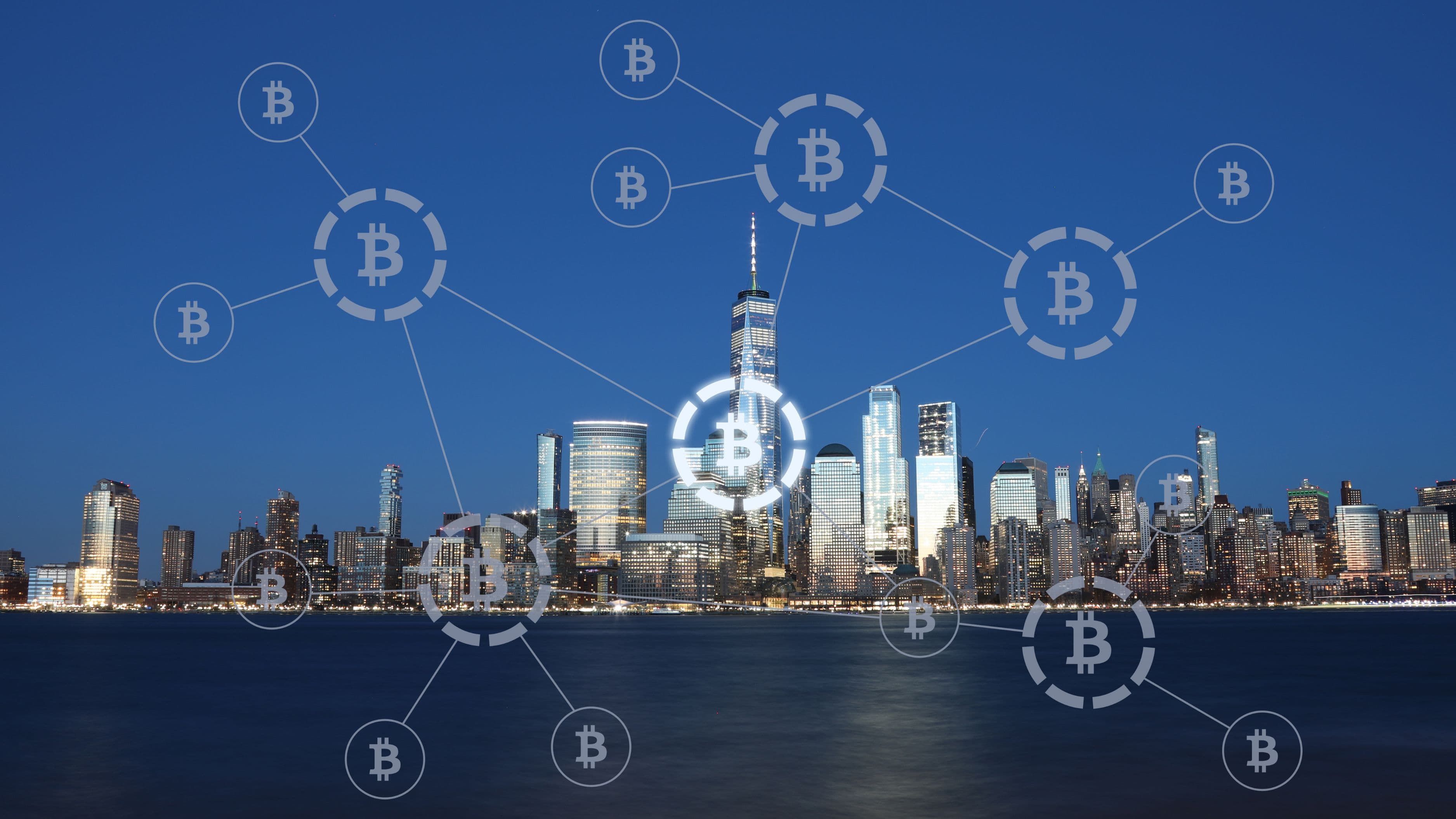
What Is the Lightning Network and How Does It Speed Up Crypto Payments?
Bitcoin's base blockchain was never designed to process payments quickly – confirming a single transaction can take anywhere from several minutes to over an hour depending on network congestion, and fees can spike considerably during busy periods. This is a genuine limitation for using Bitcoin as an everyday payment method, and the Lightning Network was built specifically to solve it, without requiring changes to Bitcoin's underlying blockchain itself.

Why Your Bank Transfer Still Takes 2 Days — and How That's About to Change
You can video call someone on the other side of the planet in real time. You can stream a movie in 4K. You can pay for a coffee with a tap of your phone. But send money from your bank account to someone else's, and there's a reasonable chance it won't arrive until tomorrow. Or the day after. Maybe not until Monday if you started on a Friday.
Explore other categories
Same editorial standard, different decisions.

AI Tools for Everyday Finance
Budgeting, credit, and day-to-day money decisions powered by AI.
Browse AI Tools for Everyday Finance
AI-Powered Investing
Markets, portfolios, and research through an AI lens.
Browse AI-Powered Investing
More on AI Finance Edge
Extra reads across tech, money, and the wider finance beat.
Browse More on AI Finance Edge
Risk, Fraud & Compliance
Fraud signals, bank risk, and how compliance teams keep up.
Browse Risk, Fraud & Compliance
Smart Tax & Accounting
Tax, audits, and accounting workflows getting faster with AI.
Browse Smart Tax & Accounting