This shift matters because it touches something a lot of people have felt but couldn't quite put into words: that the best-performing investment opportunities have historically stayed locked behind doors most people never had a key to.
What Asset Tokenization Actually Is
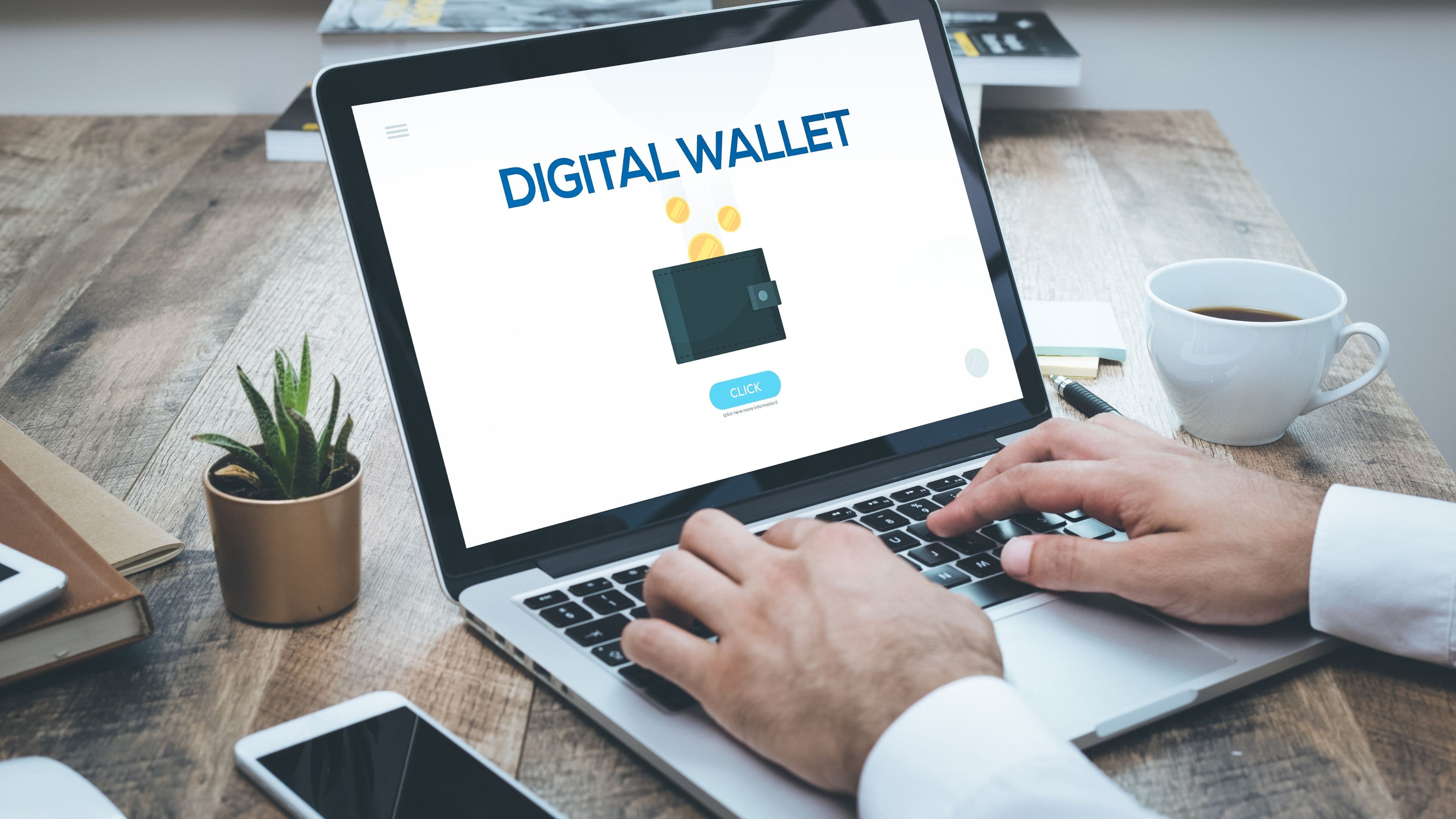
Asset tokenization is the process of converting ownership rights in a real-world asset, like a building, a piece of art, or shares in a private company, into digital tokens recorded on a blockchain. Each token represents a fractional ownership stake, meaning instead of needing enough capital to buy an entire property, an investor can buy a much smaller slice represented by one or more tokens.
Think of it like the difference between needing to buy an entire pizza and being able to buy a single slice. The underlying asset doesn't change, but how it's divided and who can access a piece of it changes significantly.
How It Works in Practice
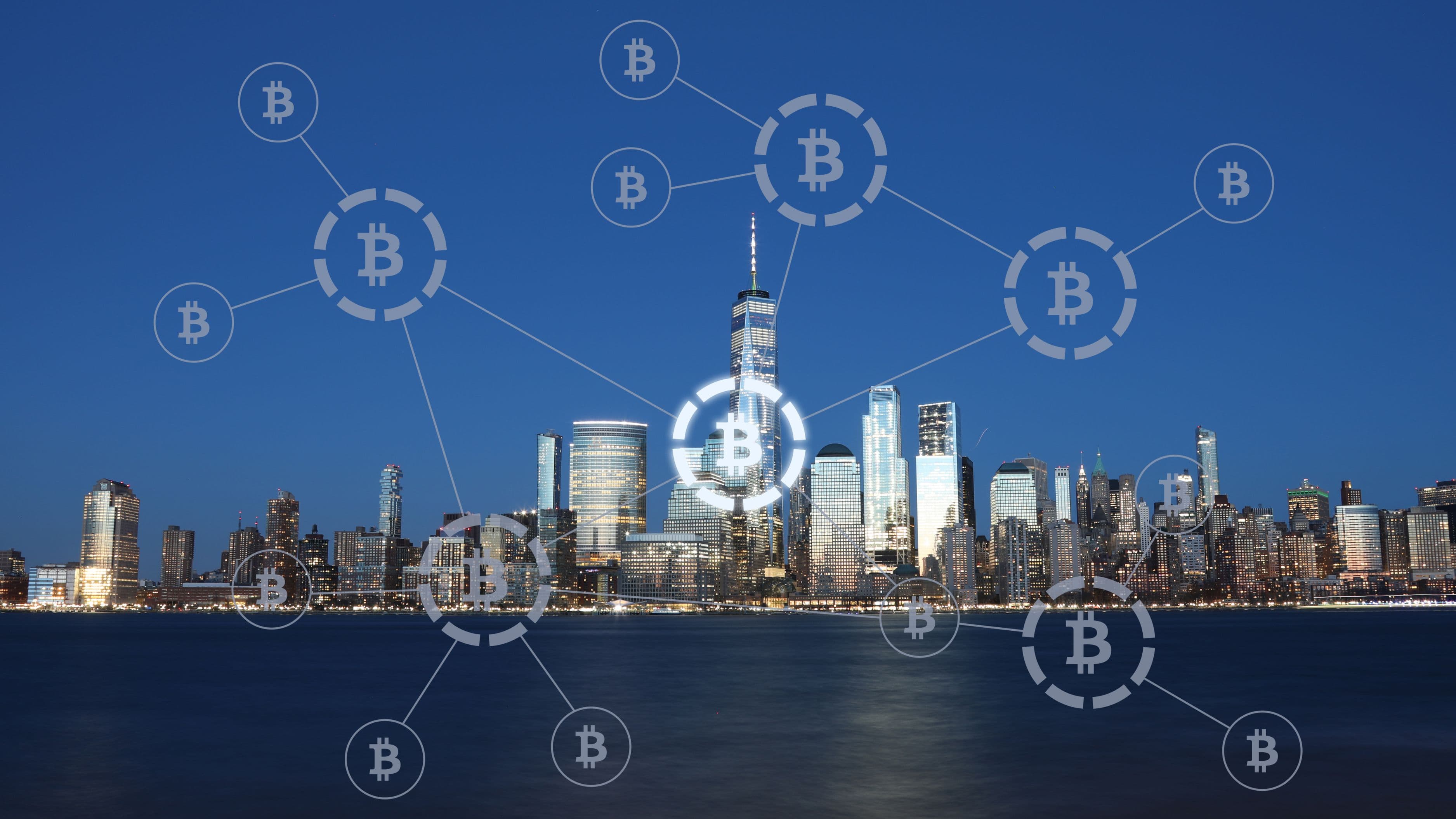
A company or asset owner works with a tokenization platform to legally structure the asset into digital shares, often backed by a special purpose vehicle that actually holds the underlying asset. Investors then buy these tokens through a platform, similar to how they might buy shares through a brokerage account, except the record of ownership and any transactions live on a blockchain rather than a traditional centralized ledger.
This blockchain-based record keeping is a meaningful part of the appeal. It creates a transparent, verifiable ownership trail and, depending on the platform, can allow tokens to be traded more easily than traditional private market shares, which often come with long lock-up periods and limited resale options.
Why This Matters for Everyday Investors
Lower Minimum Investment Thresholds
Traditional private equity funds or commercial real estate deals often require minimums starting at $25,000 to $100,000 or more, effectively excluding most individual investors regardless of interest. Tokenized versions of similar assets can bring that minimum down to a few hundred dollars in some cases, since the asset is divided into far more, far smaller pieces.
This means someone with a modest amount of investable capital can now gain exposure to asset classes, like commercial real estate or private company equity, that previously required either significant wealth or specialized access through a fund.
Improved Liquidity for Historically Illiquid Assets
Private market investments have traditionally been notoriously illiquid, often locking up capital for 5 to 10 years with no ability to exit early. Tokenized assets, particularly on platforms with active secondary markets, can offer investors the ability to sell their position sooner, though liquidity still varies significantly depending on the specific platform and asset.
It's worth being realistic here: tokenization improves potential liquidity, it doesn't guarantee it. A token representing a stake in a private company still depends on there being buyers interested in purchasing that token when you want to sell.
Broader Diversification Opportunities
With lower minimums, investors can spread smaller amounts across multiple tokenized assets rather than concentrating a large sum into a single traditional private investment. This diversification, across property types, geographic markets, or even different asset classes entirely, was previously difficult to achieve without significant capital.
What to Watch Out For
Tokenization doesn't eliminate the underlying risks of the assets themselves. A tokenized share of a struggling commercial property is still exposed to the same market risks as traditional ownership, the token structure just changes how that ownership is divided and traded, not the fundamental risk profile of the investment.
Regulatory clarity is still evolving in this space, and rules vary significantly by jurisdiction and asset type. Some tokenized offerings fall under existing securities regulations, while others operate in less clearly defined regulatory territory, which means doing due diligence on how a specific platform is structured and regulated matters more here than with more established investment vehicles.
Platform risk is another factor worth understanding. The technology and company facilitating the tokenization need to remain operational and trustworthy for your investment to function as intended, adding a layer of counterparty risk beyond the underlying asset itself.
Liquidity, while improved compared to traditional private markets in some cases, isn't guaranteed. Secondary markets for tokenized assets are still developing, and thin trading volume can mean it's harder to sell a position quickly at a fair price than the marketing materials might suggest.
Getting Started Thoughtfully
If tokenized assets interest you, starting with a small allocation while you understand how a specific platform and asset structure works is a reasonable approach, rather than committing a significant portion of your portfolio right away. Reading the specific legal structure behind a tokenized offering, not just the marketing description, helps clarify what rights you're actually gaining as a token holder.
It's also worth comparing a few different platforms, since fee structures, minimum investments, and the types of underlying assets offered can vary meaningfully between providers in this still-developing space.
FAQ
Is asset tokenization the same as buying cryptocurrency? No. Cryptocurrency generally represents a standalone digital asset, while tokenization represents fractional ownership in a real-world asset, like property or private equity, recorded using blockchain technology.
Is tokenized real estate a safe investment? It carries the same fundamental risks as traditional real estate investment, market fluctuations, property performance, plus additional considerations like platform reliability and evolving regulation, so it's not inherently safer or riskier than traditional forms of the same asset.
How much money do I need to start investing in tokenized assets? This varies by platform, but many tokenized offerings have significantly lower minimums than traditional private market investments, sometimes starting in the hundreds of dollars rather than tens of thousands.
📚 Sources
"Digital Assets and Tokenization" – U.S. Securities and Exchange Commission – https://www.sec.gov/securities-topics/digital-assets
"Understanding Tokenized Securities" – Financial Industry Regulatory Authority (FINRA) – https://www.finra.org/investors/insights/tokenized-securities
"Blockchain and Financial Markets" – World Economic Forum – https://www.weforum.org/agenda/archive/blockchain/