
AI-Powered Investing
Markets, portfolios, and research through an AI lens.
Can AI Actually Predict Market Crashes?
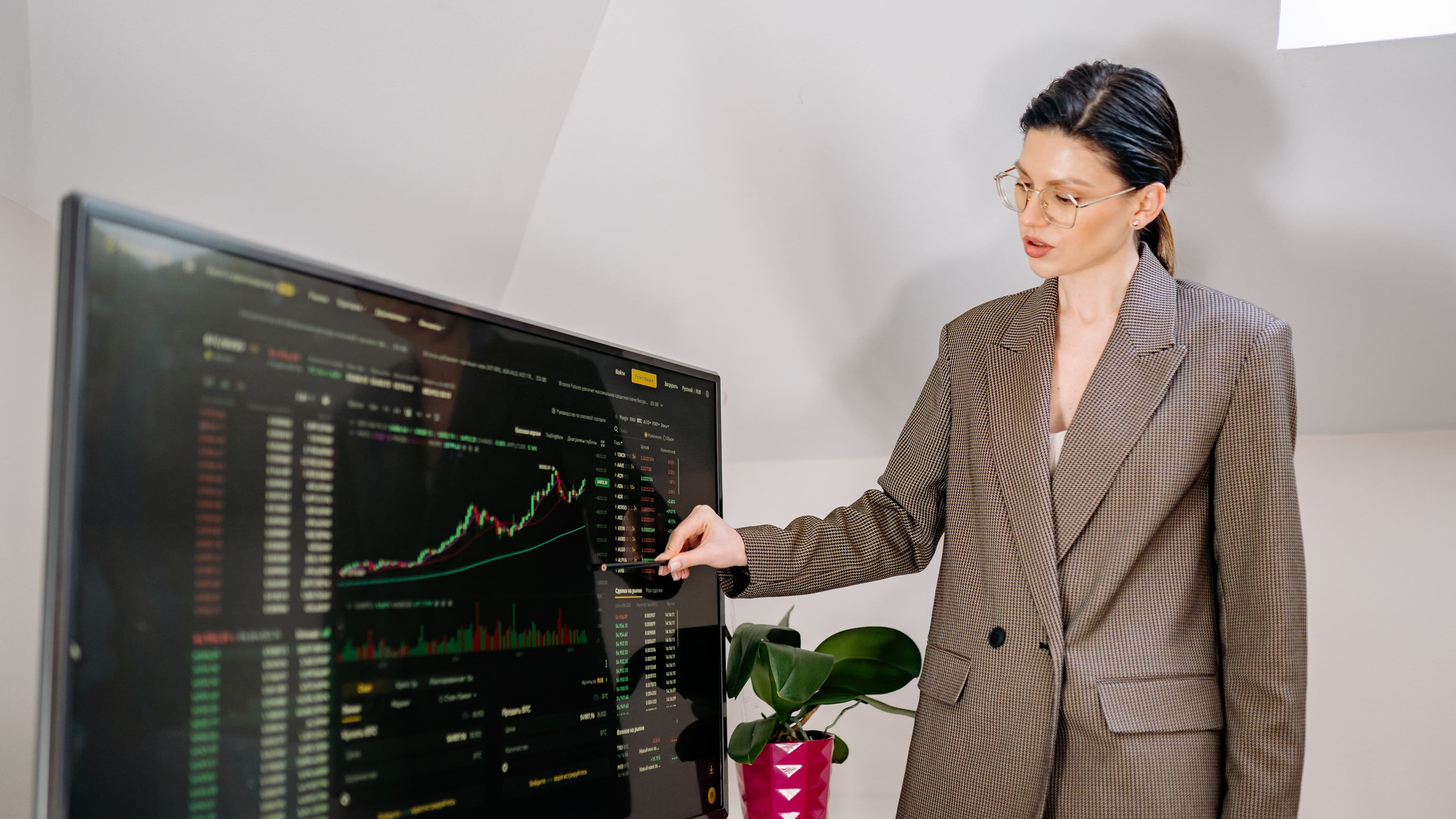
Every major market crash in recent history – 2008, the COVID collapse of 2020, the rate-shock selloff of 2022 – left millions of investors wishing someone had seen it coming sooner. Now, with AI systems processing more financial data than any human team ever could, the question is obvious: can AI finally do what analysts, economists, and fund managers have failed to do consistently? Can it predict when the market is about to fall apart?

How AI Is Being Used to Analyze Earnings Calls in Real Time
A CEO says "we're cautiously optimistic about the back half of the year," and within seconds, an algorithm somewhere has already flagged that phrase, compared it to how confident the same executive sounded a quarter ago, and quietly nudged a trading model before most human listeners have even finished processing the sentence. That's not a hypothetical – it's roughly how a growing slice of Wall Street now listens to earnings calls, and it's starting to trickle down into tools regular investors can access too.
How AI Is Being Used to Build Personalized Index Funds
Imagine two people investing in what looks like the same "S&P 500 index fund," except one of them has their portfolio quietly adjusted to reduce exposure to a tobacco company they've flagged as a values conflict, while the other's portfolio is tilted slightly toward the tech sector because of their stated risk tolerance and time horizon. Both still get diversified, low-cost, index-style investing. Neither owns exactly the same fund. This is the basic idea behind AI-personalized index funds, sometimes called direct indexing, and it's quietly reshaping what "index investing" even means.
How AI Is Being Used to Spot Insider Trading
Before the SEC calls, the algorithm already knows. That's not hyperbole – it's increasingly the reality of how financial regulators and trading firms detect suspicious activity in modern markets. Insider trading, one of the oldest forms of securities fraud, is now being hunted by systems that can process millions of trades simultaneously and flag patterns no human team could catch in time.
How AI Is Changing the Economics of Fund Management
A fund manager used to need a research team of a dozen analysts to track hundreds of companies across quarterly earnings, industry filings, and macroeconomic data. Today, a fraction of that team, supported by AI systems that can scan and summarize thousands of documents in minutes, can cover the same ground. That shift isn't just a technology upgrade, it's rewriting the cost structure of the entire fund management industry.
How AI Is Changing the Way We Research Stocks
Not long ago, researching a stock meant reading through dense quarterly filings, sifting earnings call transcripts, and hoping you hadn't missed an analyst note buried somewhere in your inbox. It was time-consuming work that gave institutional investors – with entire research teams and expensive data subscriptions – a structural advantage over everyone else. That gap is closing faster than most people realise.
How AI Is Disrupting the $100 Trillion Asset Management Industry
Picture a financial analyst who reads every earnings call transcript, every regulatory filing, and every news article touching a portfolio's holdings, every single day, without ever getting tired or missing a detail. That's roughly what AI-powered research tools now offer asset managers, and it's changing an industry that has operated largely the same way for decades. Understanding how this shift actually works, and where it falls short, matters whether you manage your own investments or simply want to understand what's happening behind the scenes of your retirement account.

How AI Is Helping Investors Understand Esg Data
ESG investing – building a portfolio around companies' environmental, social, and governance practices – sounds straightforward in theory. In practice, it runs into a fundamental problem: the data is a mess. Companies report ESG metrics inconsistently, rating agencies score the same company dramatically differently, and the sheer volume of non-financial disclosures has exploded far beyond what any human analyst can systematically process. AI hasn't solved ESG investing, but it's solving the data problem in ways that are starting to matter.
How AI Is Powering the Next Generation of Etfs
If you've bought an index fund before, you already understand the basic idea behind an ETF: pool money, buy a basket of assets, track a benchmark or strategy, done. That model has worked well for decades. But a newer generation of ETFs is starting to use artificial intelligence not just to track an index, but to actively make decisions about what to hold and when to adjust, and that shift is worth understanding if you're building a portfolio today.

How AI Is Redefining What a Stock Analyst Actually Does
Picture two analysts covering the same company. One spends the morning manually pulling numbers from a quarterly filing, cross-referencing them against a spreadsheet, and building a model from scratch. The other has an AI system that already flagged the filing the second it hit the SEC database, summarized the key changes versus last quarter, and highlighted three unusual line items worth investigating. That second analyst isn't replaced by AI, they're working with a fundamentally different toolkit than analysts had even a few years ago.
How AI Is Transforming Venture Capital Deal Sourcing
A venture capital analyst used to spend weeks manually combing through Crunchbase, LinkedIn, and industry newsletters just to build a shortlist of promising startups worth a first call. Today, that same shortlist can be generated in hours, continuously updated, and ranked by predictive signals the analyst never would have thought to check manually. This shift is quietly reshaping who gets funded and how quickly.
How AI-Powered Portfolio Management Works — and Who It's Really For
Most people who hear "AI-powered portfolio management" picture something either futuristic and intimidating, or a glorified savings account with a tech-sounding name slapped on it. The reality sits somewhere more interesting than either. AI is genuinely changing how portfolios are built, monitored, and adjusted – but the change isn't uniform, and it doesn't mean the same thing across every platform or investor type. Understanding what's actually happening under the hood makes it much easier to know whether this technology belongs in your financial life.
How Hedge Funds Are Using AI Differently Than Retail Investors
When a retail investor asks an AI chatbot "should I buy this stock?", a hedge fund a few miles away is running AI models that analyze satellite photos of retailer parking lots to predict sales before the company reports them. Same broad technology, completely different game.

How Natural Language Processing Is Changing Financial Research
Every quarter, thousands of earnings calls happen. Annual reports run to hundreds of pages. News wires publish tens of thousands of financial headlines every single day. No human analyst — or even a team of them — can read all of it. But a machine can, and increasingly, machines are doing exactly that.

How Robo-Advisors Decide Where to Put Your Money
You answer a handful of questions about your age, income, goals, and how you'd feel if your portfolio dropped 30% overnight – and minutes later, an algorithm has decided how to invest your money across dozens of funds spanning the entire global stock and bond market. No phone calls, no meetings, no waiting for a financial advisor to get back to you. Robo-advisors have made this kind of automated investing available to anyone with a smartphone and a few hundred dollars to start.

Is Passive Investing Dead? What AI-Driven Active Funds Are Claiming
For decades, the evidence was overwhelming: most active fund managers couldn't beat the market. So investors stopped trying and poured trillions into passive index funds instead. It became one of the most reliable pieces of financial advice available. Now, a new wave of AI-driven active funds is making a bold counter-argument – and the financial industry is paying close attention.
What Is Backtesting in Investing and How Do AI Systems Do It?
Imagine you have an idea for a trading strategy – maybe buying a stock whenever it drops 5% in a week and selling when it recovers. Before risking real money on that idea, wouldn't it be useful to know how it would have performed over the last ten years? That's exactly what backtesting does, and it's become one of the most important tools in how AI-powered investing platforms actually build and validate their strategies.

What Is Dark Pool Trading and How Is AI Being Used Inside Them?
What Is Factor Investing and How Is AI Making It Accessible?
For decades, factor investing was something only the biggest institutional funds could actually use. The research behind it was rigorous, the data was expensive, and the portfolio construction required either a quant team or significant infrastructure. Most individual investors never got near it — not because the strategy was flawed, but because the tools didn't exist.
What Is High-Frequency Trading and Should Everyday Investors Be Worried?
Somewhere between the moment you click "buy" on your investing app and the moment your order actually fills, a whole world of trading has already happened – measured not in seconds, but in millionths of a second. That world belongs to high-frequency trading, and while it sounds like something out of a finance thriller, understanding what it actually does helps answer the more useful question: does it affect your money, and if so, how much should you actually care?
What Is Liquidity Risk and How Do AI Systems Monitor It in Real Time?
A bank or investment fund can look perfectly healthy on paper and still run into serious trouble if it suddenly can't convert its assets into cash fast enough to meet obligations. This is liquidity risk, and it's one of the quieter dangers in finance precisely because it can build up gradually before becoming a visible crisis. Understanding how AI now helps monitor this risk in real time explains a meaningful shift in how financial institutions try to catch problems before they escalate.
What Is Momentum Trading and How Do AI Systems Execute It?
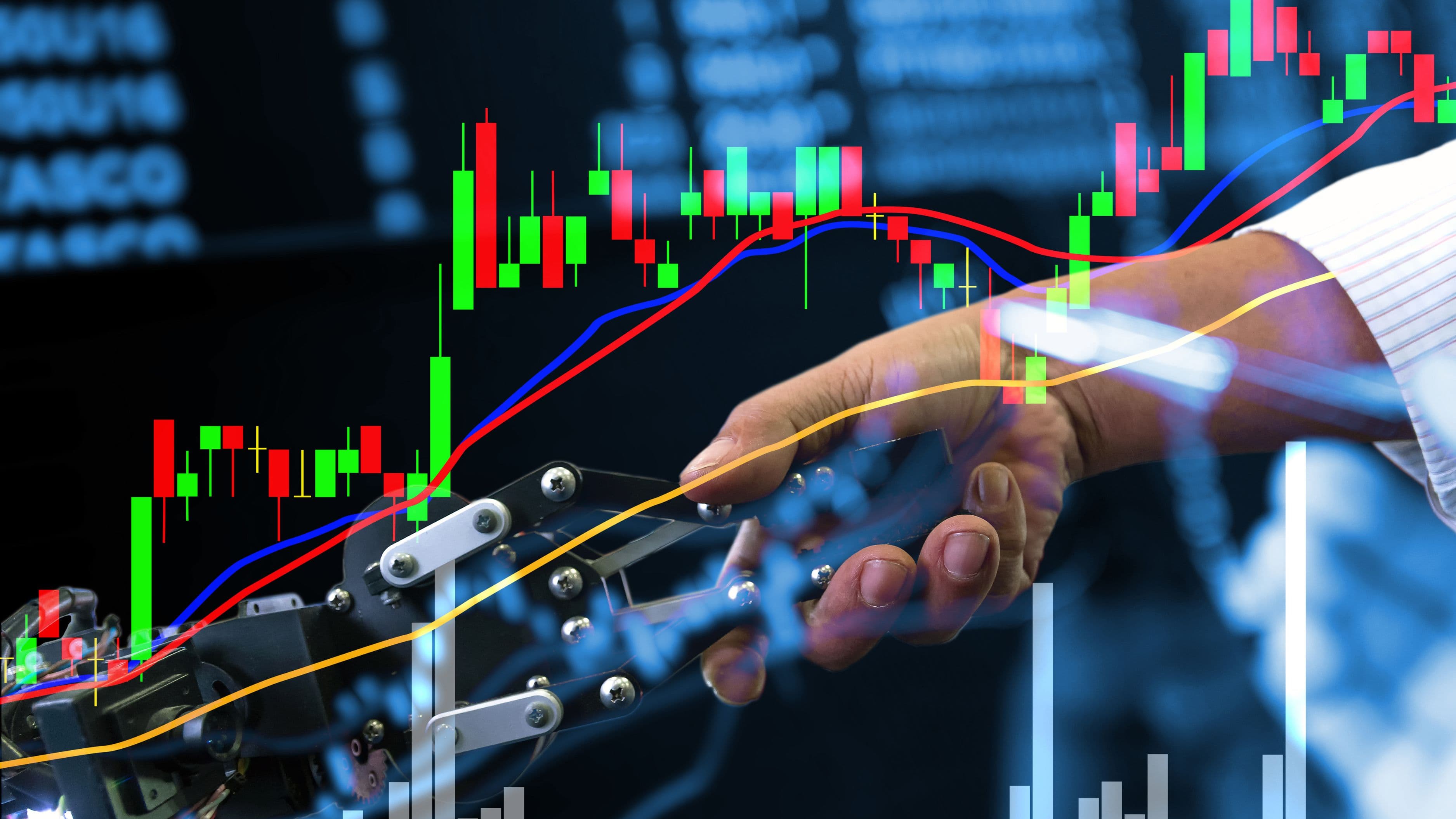
There's an old Wall Street saying: "the trend is your friend." It captures one of the oldest ideas in markets – that things going up tend to keep going up for a while, and things going down keep falling. That simple observation is the entire foundation of momentum trading, and today it's one of the strategies AI systems run most aggressively.
What Is Pairs Trading and How Do AI Systems Find the Matches?
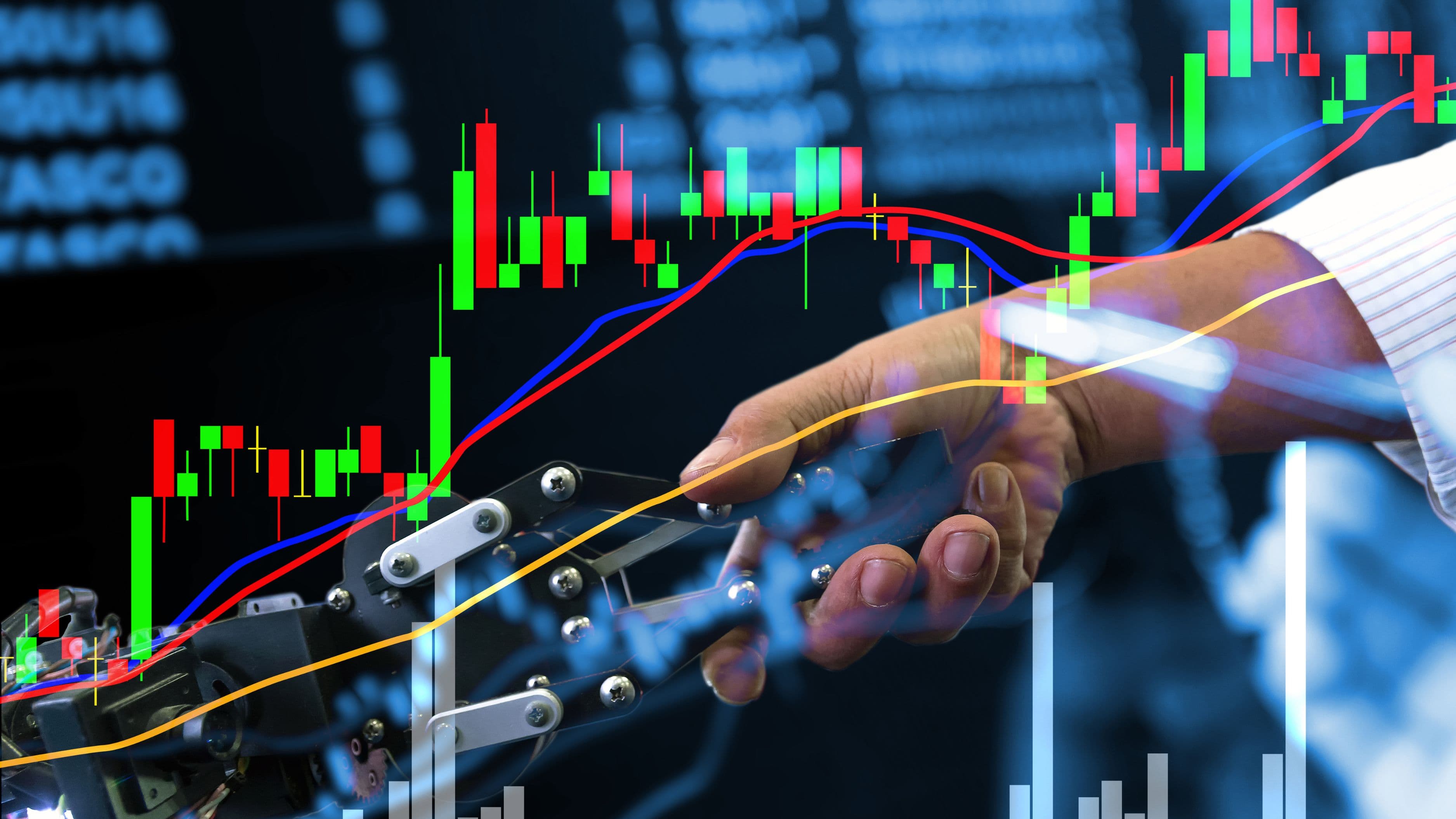
Imagine two gas station chains that operate in similar markets, face similar costs, and tend to rise and fall together based on shared industry pressures. Now imagine one of their stock prices suddenly jumps while the other stays flat, with no real news explaining the gap. That mismatch is exactly what pairs trading is built to exploit, and increasingly, AI systems are the ones spotting it first.
What Is Quantitative Investing and How Has AI Made It Mainstream?
What Is Risk-Adjusted Return and How Does AI Optimize for It?
Imagine two investments that both returned 10% last year. One did it with steady, predictable growth month after month. The other bounced wildly between big gains and steep drops before landing at the same final number. Most investors would say the first one was the better investment, even though the raw return was identical. That instinct is exactly what risk-adjusted return tries to measure formally, and it's become one of the most important concepts AI tools are now built to optimize for.
What Is Sentiment Analysis and How Do Traders Use It?
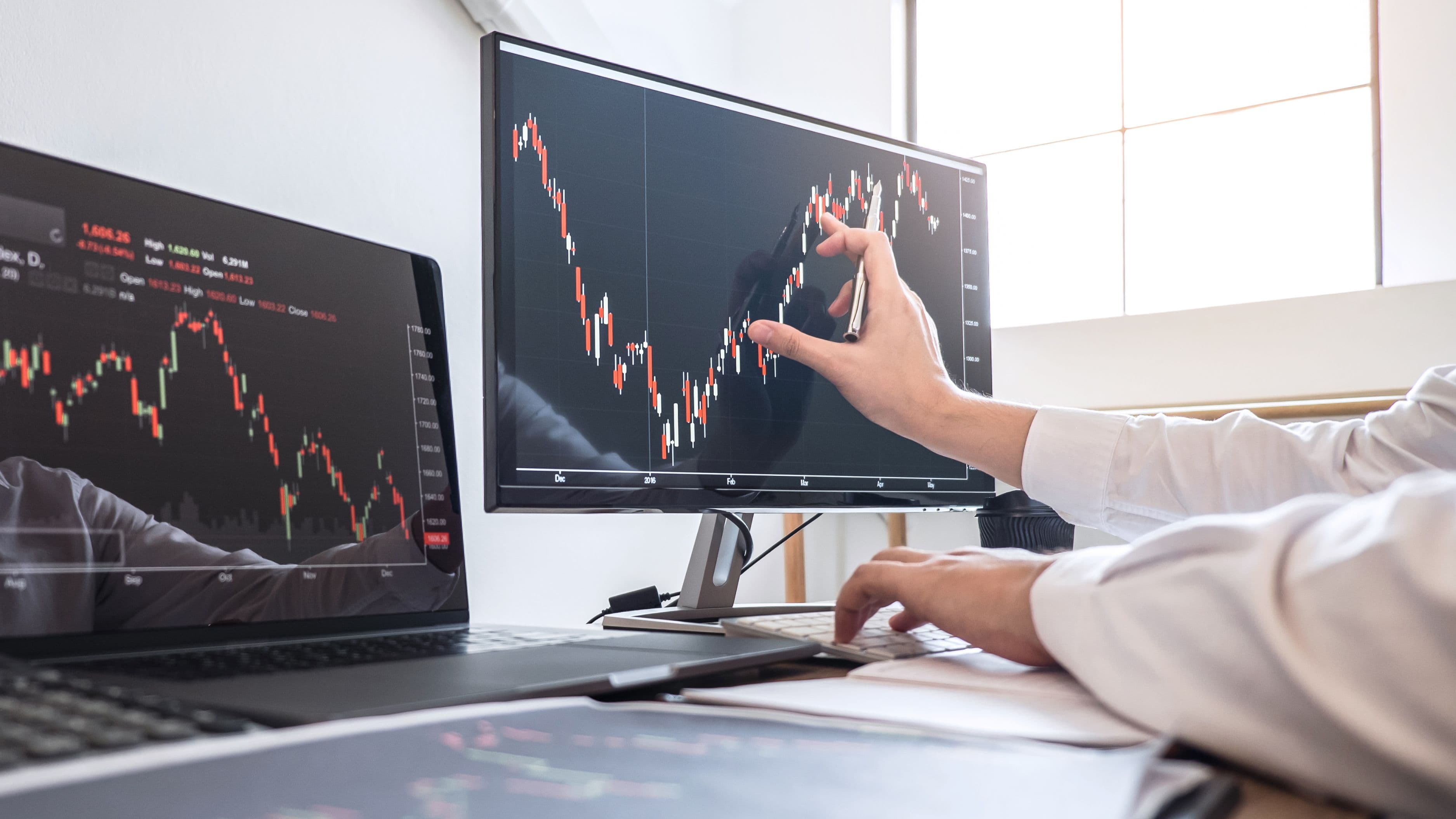
Before a stock moves, the conversation around it often already has. Traders have known for decades that markets are driven as much by emotion and perception as by fundamentals – that fear, optimism, and uncertainty ripple through prices in measurable ways. Sentiment analysis is the technology that tries to read those emotions at scale, in real time, and turn them into a trading signal before the rest of the market catches on.

What Is Volatility Forecasting and How Does AI Approach It?
Every time the market swings sharply in a single day, someone somewhere is asking the same question: could this have been predicted, at least a little? Volatility forecasting is the financial industry's attempt to answer a narrower, more realistic version of that question, not "will the market go up or down," but "how much is it likely to move, in either direction, over the coming days or weeks." AI has become a significant part of how that forecasting is done today.
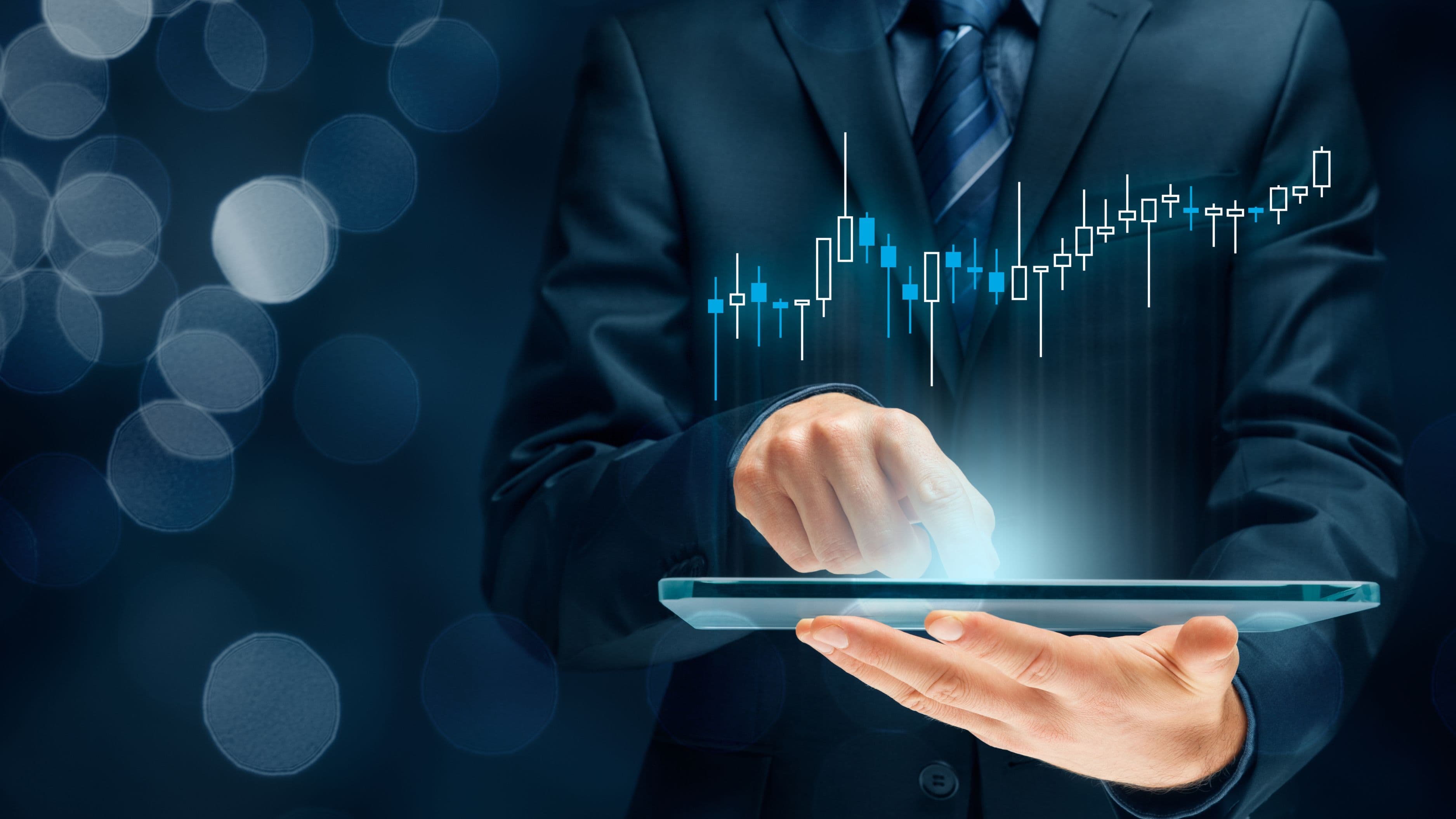
Why Algorithmic Trading Is No Longer Just for Wall Street
A decade ago, if you mentioned algorithmic trading in a conversation with someone outside finance, the reaction was usually a blank look or a reference to a news story about a flash crash. It was a black-box world – proprietary systems running on expensive hardware inside bank data centers, written by quantitative analysts with PhDs, inaccessible to anyone without the right institutional credentials and capital. That world hasn't disappeared, but it's no longer the only version of algorithmic trading that exists.
Explore other categories
Same editorial standard, different decisions.

AI Tools for Everyday Finance
Budgeting, credit, and day-to-day money decisions powered by AI.
Browse AI Tools for Everyday Finance
Emerging Fintech & Blockchain
Payments, crypto rails, and the next wave of financial infrastructure.
Browse Emerging Fintech & Blockchain
More on AI Finance Edge
Extra reads across tech, money, and the wider finance beat.
Browse More on AI Finance Edge
Risk, Fraud & Compliance
Fraud signals, bank risk, and how compliance teams keep up.
Browse Risk, Fraud & Compliance
Smart Tax & Accounting
Tax, audits, and accounting workflows getting faster with AI.
Browse Smart Tax & Accounting