That's fraud-as-a-service, and it's one reason scams have become more frequent and more polished. Here's how the model works, why it matters for your accounts, and how banks are using AI to fight back.
What Fraud-as-a-Service Is
Fraud-as-a-service (FaaS) is a criminal business model where experienced fraudsters package their tools and expertise and sell or rent them to others. Instead of building everything from scratch, a buyer can purchase exactly the component they need.
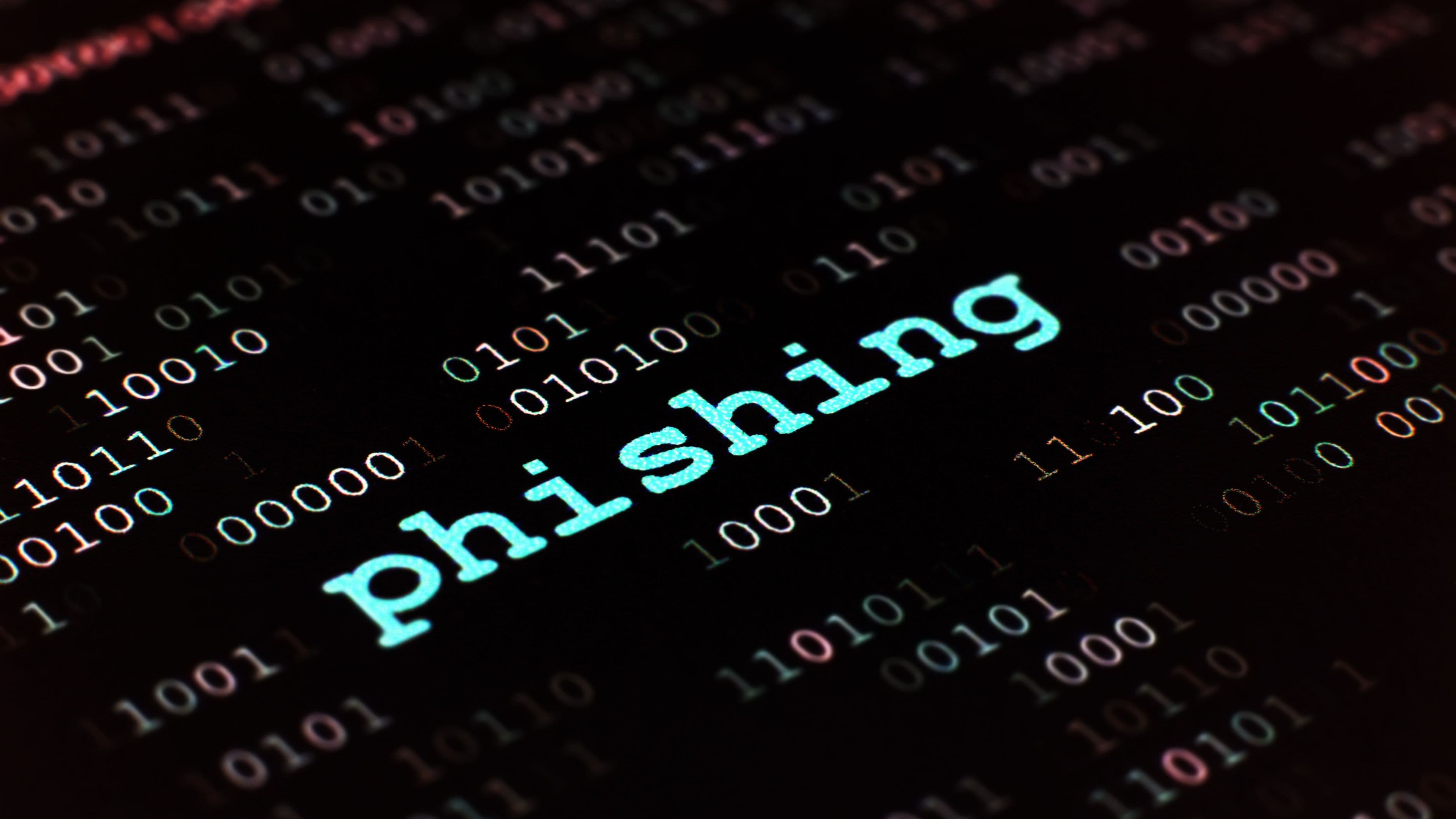
Common offerings include phishing kits that clone real bank or retailer websites, SMS and email spam services for sending scam messages at scale, stolen personal and card data sold in bulk, account takeover tools that test stolen passwords across many sites, and money mule networks that move stolen funds. Some operations even offer tutorials, updates, and help desks.
Europol has described cybercrime-as-a-service as a key driver of online crime because it lowers the barrier to entry. Think of it as the difference between building a car and renting one – far more people can drive when the hard part is already done.
How It Works
A typical FaaS-enabled scam might follow this chain. A buyer rents a phishing kit that mimics a popular bank's login page. They buy a list of phone numbers and pay for a service that sends thousands of texts claiming "unusual activity on your account." Victims who click and enter their details have their credentials captured in real time.
Some kits capture one-time passcodes as well, letting fraudsters log in almost instantly. The stolen access or funds then pass through money mules – sometimes people recruited through fake job ads – to make the trail harder to follow. Each step might involve a different criminal provider, which is exactly what makes the ecosystem resilient.
Why It Matters
FaaS turns fraud into a volume business. When tools are cheap and easy to use, more people attempt scams, and messages get more convincing because the kits are professionally designed. That's part of why scam texts that look exactly like your bank's branding have become so common.
The financial impact is significant. The FBI's Internet Crime Complaint Center has reported rising losses year over year, with investment fraud, business email compromise, and phishing-related schemes among the leading categories. For you, it means the old advice – look for bad spelling and awkward design – no longer reliably catches scams.
How Banks Are Fighting Back With AI
Real-Time Transaction Monitoring
Banks use machine learning models that analyze each transaction against your normal behavior. If your card is suddenly used for a large purchase in another country minutes after a local coffee purchase, the model flags it. Unlike older rule-based systems, these models learn from huge volumes of data and can spot subtle combinations of signals.
In everyday terms: that text asking "Did you make this purchase?" is often an AI system catching something unusual.
Behavioral Biometrics
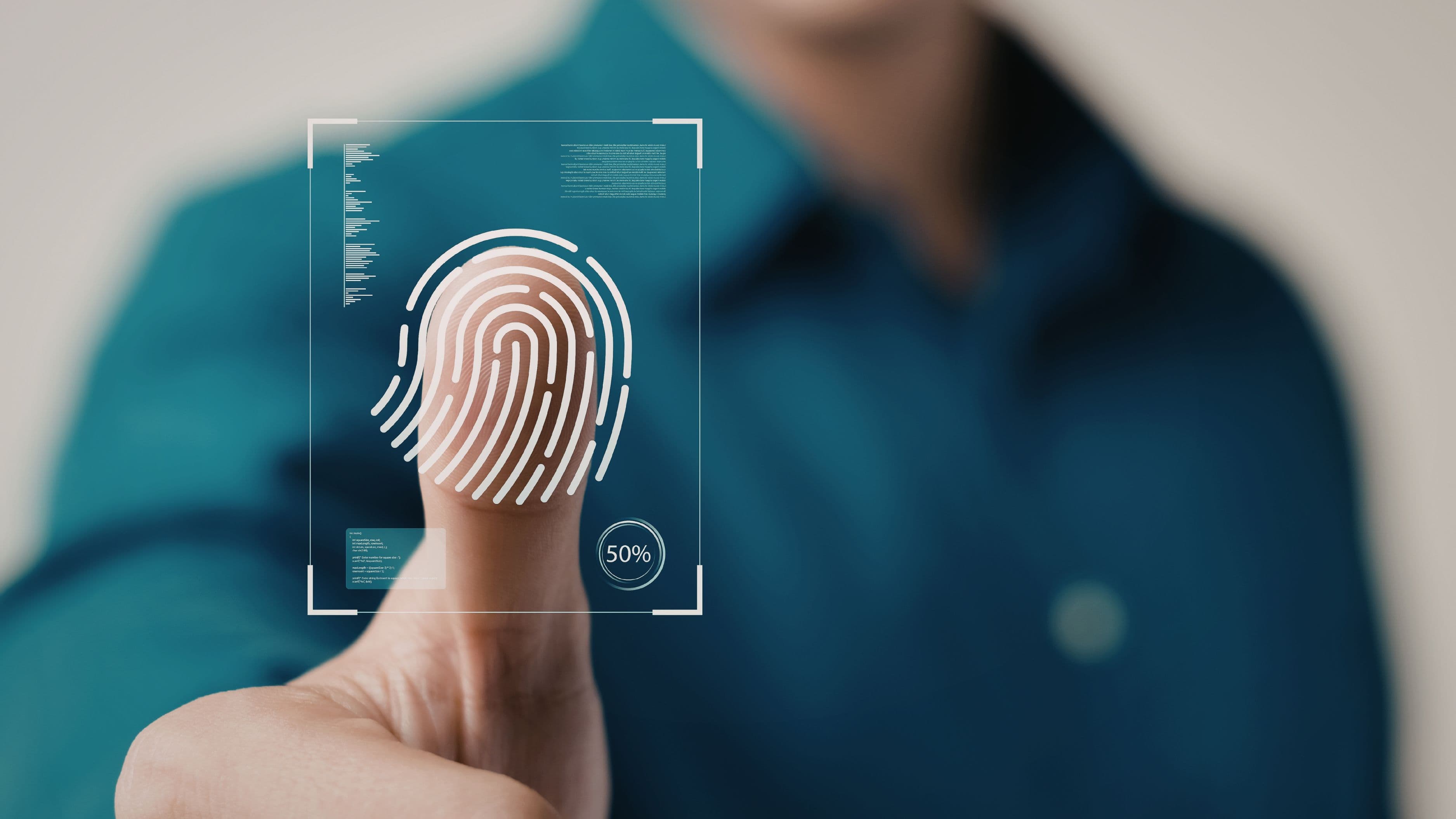
Some banks analyze how you interact with their app – typing rhythm, how you hold your phone, swipe patterns, and navigation habits. If someone logs in with your password but behaves very differently, the system can require extra verification. This helps catch account takeovers even when credentials are correct.
Network and Mule Detection
AI can map relationships between accounts, devices, and transactions to uncover money mule networks. A group of new accounts receiving funds from many sources and quickly sending them elsewhere can be flagged even when each individual transaction looks normal.
Scam Intervention in the Moment
Newer tools aim to catch authorized push payment scams, where victims are tricked into sending money themselves. If you're about to send a large payment to a new recipient, a bank may pause the transaction and ask questions about why you're sending it. Those prompts are designed to break the urgency scammers depend on.
Detecting Phishing Infrastructure
Banks and security firms also use AI to scan for newly registered domains and cloned websites that imitate their brand, then work to get them taken down quickly – sometimes before a campaign reaches many people.
Risks and Limitations
AI detection isn't perfect. False positives can freeze legitimate transactions and frustrate customers. Fraudsters also adapt, testing systems to find blind spots, and some are using generative AI themselves to write more convincing messages and create fake identity documents.
Privacy is another consideration. Behavioral monitoring requires collecting detailed data about how you use your devices, which raises questions about data handling and consent. And when you're tricked into authorizing a payment yourself, recovery rules can vary, so reimbursement isn't guaranteed.
What You Can Do
Treat unexpected messages about your account with caution and never click links in them. Instead, open your bank's app or call the number on your card directly. Turn on multi-factor authentication, preferably through an authenticator app rather than text message when available. Enable transaction alerts so you can spot problems fast, and be wary of job offers that involve receiving and forwarding money – they may be mule recruitment.
FAQ
Is fraud-as-a-service a new phenomenon?
The concept isn't new, but the market has grown more organized and accessible, with services that resemble legitimate software businesses.
Can AI stop all fraud?
No. AI significantly improves detection, but fraudsters keep adapting. Your own caution remains an important layer of protection.
Why did my bank block a legitimate payment?
Fraud models sometimes flag unusual but legitimate activity. Verifying through your bank's official channels usually resolves it quickly.
What should I do if I clicked a phishing link?
Contact your bank immediately through its official number, change your passwords, and monitor your accounts. You can also report the incident to the FBI's IC3.
Final Thoughts
Fraud-as-a-service has made scams cheaper to run and easier to scale, which is why they're showing up in your inbox and text messages more often. Banks are responding with AI that watches transactions, behavior, and networks in real time, but no system catches everything.
The best protection combines both sides: smart detection on the bank's end and a healthy habit of verifying before you click or pay on yours.
This article is for educational purposes only and does not constitute financial or legal advice.
📚 Sources
Europol – Internet Organised Crime Threat Assessment (IOCTA) 2024: https://www.europol.europa.eu/publication-events/main-reports/internet-organised-crime-threat-assessment-iocta-2024
FBI Internet Crime Complaint Center – 2024 Internet Crime Report: https://www.ic3.gov/AnnualReport/Reports/2024_IC3Report.pdf
FinCEN – Alert on Fraud Schemes Involving Deepfake Media Targeting Financial Institutions: https://www.fincen.gov/sites/default/files/shared/FinCEN-Alert-DeepFake-Alert508FINAL.pdf
Federal Trade Commission – How to Recognize and Avoid Phishing Scams: https://consumer.ftc.gov/articles/how-recognize-and-avoid-phishing-scams
FBI IC3 – Public Service Announcement on criminals using generative AI to facilitate financial fraud: https://www.ic3.gov/PSA/2024/PSA241203