It may not be. Loans insured by the Federal Housing Administration (FHA) were built for borrowers with lower credit scores and smaller down payments. They aren't a shortcut, and they come with real costs – but for many buyers, they're the most realistic path to a first home.
What an FHA Loan Is
An FHA loan is a mortgage made by a private lender – a bank, credit union, or online mortgage company – and insured by the FHA, which is part of the U.S. Department of Housing and Urban Development (HUD). That insurance protects the lender if a borrower defaults, which makes lenders more willing to approve people with lower scores or limited savings.
Think of it as a co-signer backed by the government. You still borrow from and repay the lender, but the FHA's guarantee lowers the lender's risk, and that's what opens the door for more borrowers.
How FHA Credit Score Rules Work
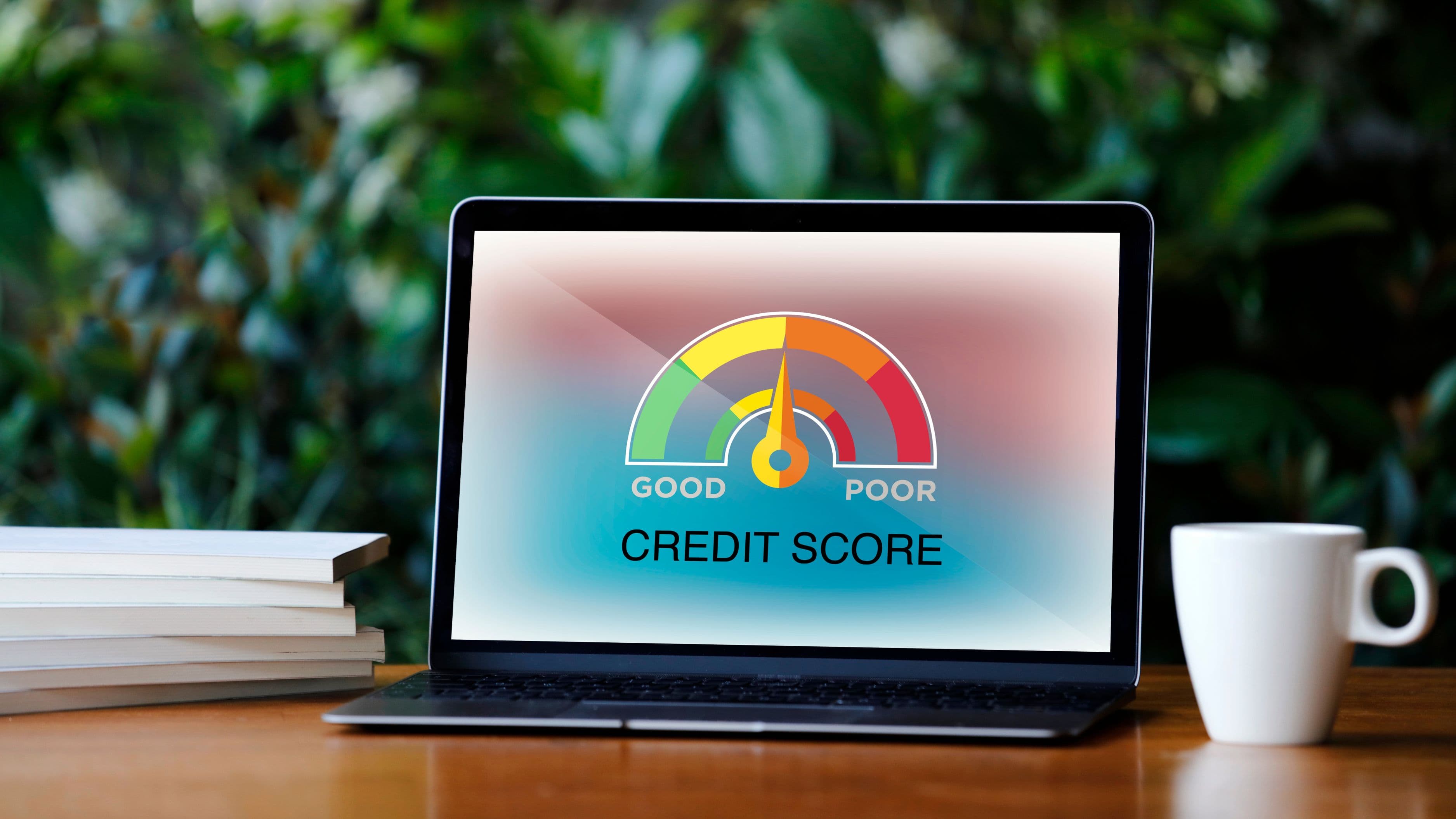
FHA guidelines set two main credit tiers. With a score of 580 or higher, you may qualify with a down payment as low as 3.5%. With a score between 500 and 579, you may still qualify, but you'll generally need at least 10% down. Below 500, FHA financing usually isn't available.
There's an important catch. Those are FHA's minimums, not every lender's. Many lenders add their own stricter requirements, called overlays, and some won't go below 580 or even 620. If one lender turns you down, another may not. Shopping around is essential in this credit range.
What That Looks Like in Real Numbers
On a $250,000 home, a 3.5% down payment is $8,750. At 10% down, it's $25,000. That gap is significant, which is why moving your score from the 560s to 580 or above can make a meaningful difference in how soon you can buy.
Why It Matters: The Full Cost Picture
FHA loans make approval more accessible, but they add a cost conventional loans with 20% down don't: mortgage insurance premiums (MIP).
You'll pay an upfront premium, typically 1.75% of the loan amount, which is usually rolled into the loan. You'll also pay an annual premium, divided into monthly payments. For most borrowers putting down less than 5% on a 30-year loan, that annual rate has been 0.55% since a 2023 reduction.
On a loan of about $241,000, that means roughly $4,200 upfront (added to your balance) and about $110 a month in ongoing MIP. If you put down less than 10%, the annual MIP typically lasts for the life of the loan. With 10% or more down, it generally ends after 11 years. Many borrowers later refinance into a conventional loan once their credit and home equity improve, which can remove mortgage insurance.
Other Requirements to Know
Credit score is only part of the picture. Lenders also look at your debt-to-income ratio (DTI), which compares your monthly debt payments to your gross monthly income. FHA guidelines often allow DTIs in the low-to-mid 40s, and sometimes higher with strong compensating factors like cash reserves.
You'll need steady, documented income, typically a two-year work history. The home must be your primary residence and meet FHA property standards through an FHA appraisal. Loan amounts are capped by county-specific FHA limits, which HUD updates each year.
Past financial setbacks don't automatically disqualify you, but waiting periods apply. These are often about two years after a Chapter 7 bankruptcy discharge and three years after a foreclosure, with some exceptions.
How Technology Is Helping Lower-Score Borrowers
Online mortgage platforms now let you compare FHA prequalification offers from multiple lenders in one place, which is especially useful when lender overlays vary so much. Some lenders use automated underwriting systems that weigh rent payment history, bank account cash flow, and reserves alongside your credit score.
Credit-building apps can help too. Some report on-time rent or utility payments to credit bureaus, and credit monitoring tools can show which factors are holding your score back and simulate how paying down a card might change it. These tools aren't magic, but they make it easier to see where small changes could push you over the 580 line.
A Real-World Scenario
Consider Marcus, who has a 565 credit score, $14,000 in savings, and a stable job. At his current score, he'd need 10% down on a $220,000 home – $22,000 – plus closing costs. That's out of reach today.
Instead, he spends four months paying his credit card balances below 30% of their limits and disputes an old collection that was reported in error. His score rises to 592. Now he needs about $7,700 down instead of $22,000, and his savings can cover the down payment plus part of his closing costs. Results like this aren't guaranteed, but focused credit work can change the math quickly.
Risks and Limitations
FHA loans carry long-term mortgage insurance costs that can add thousands of dollars over time. Interest rates for lower credit scores may also be higher, even with FHA backing.
A low down payment means less equity at the start, so if home prices dip, you could owe more than the home is worth for a while. And approval doesn't guarantee affordability. A mortgage payment that technically fits lender guidelines can still strain a tight budget once you add taxes, insurance, maintenance, and repairs.
Be cautious with lenders or "credit repair" companies that promise guaranteed approval or charge large upfront fees. Legitimate help, like HUD-approved housing counseling, is often free or low-cost.
FAQ
Can I really get an FHA loan with a 500 credit score?
FHA rules allow it with at least 10% down, but many lenders set higher minimums. You'll likely need to contact several lenders to find one that works in this range.
Is an FHA loan only for first-time buyers?
No. Repeat buyers can use FHA loans too, as long as the home will be their primary residence.
Can I use gift money for the down payment?
Yes. FHA generally allows down payment gifts from family members and certain other sources, with proper documentation.
Should I wait to improve my score before applying?
It depends on how close you are. If a few months of credit work could move you from below 580 to above it, waiting could cut your required down payment sharply.
The Bottom Line
A credit score between 500 and 619 doesn't have to stop you from buying a home, but it does shape the path. FHA loans offer flexibility on credit and down payment in exchange for mortgage insurance and stricter property rules. Compare multiple lenders, use digital tools to track your credit progress, and consider a free session with a HUD-approved housing counselor before you commit.
This article is for general information only and isn't financial advice. Loan approval, rates, and terms are not guaranteed and depend on your credit profile, lender, and property. FHA rules and limits change, so confirm current requirements with your lender.
📚 Sources
Consumer Financial Protection Bureau – What Is an FHA Loan?: https://www.consumerfinance.gov/ask-cfpb/what-is-an-fha-loan-en-1937/
HUD – FHA Mortgage Limits Lookup: https://entp.hud.gov/idapp/html/hicostlook.cfm
Consumer Financial Protection Bureau – Find a Housing Counselor: https://www.consumerfinance.gov/find-a-housing-counselor/
Consumer Financial Protection Bureau – What Is a Debt-to-Income Ratio?: https://www.consumerfinance.gov/ask-cfpb/what-is-a-debt-to-income-ratio-en-1791/