
What a Digital Wallet Is
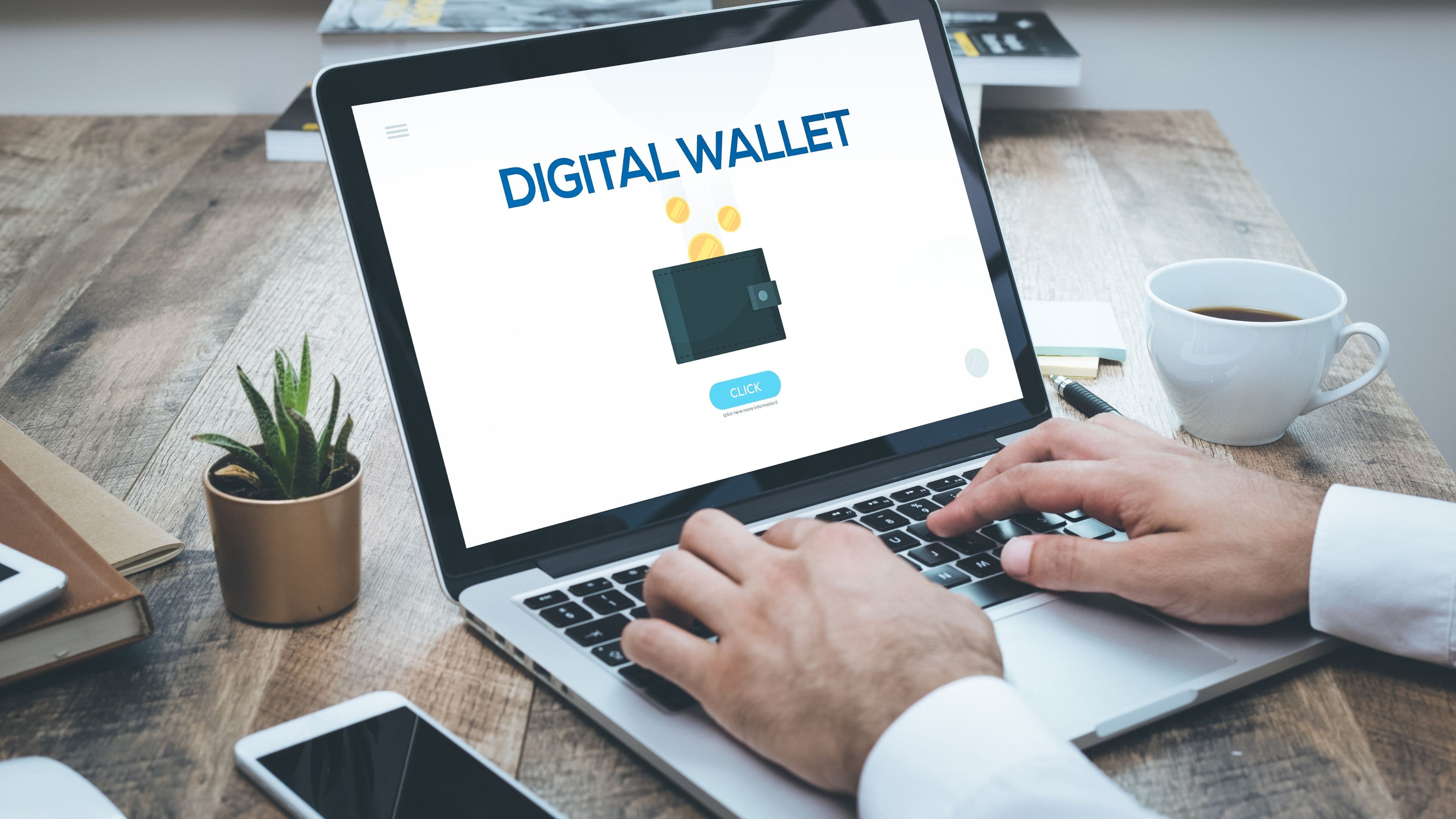
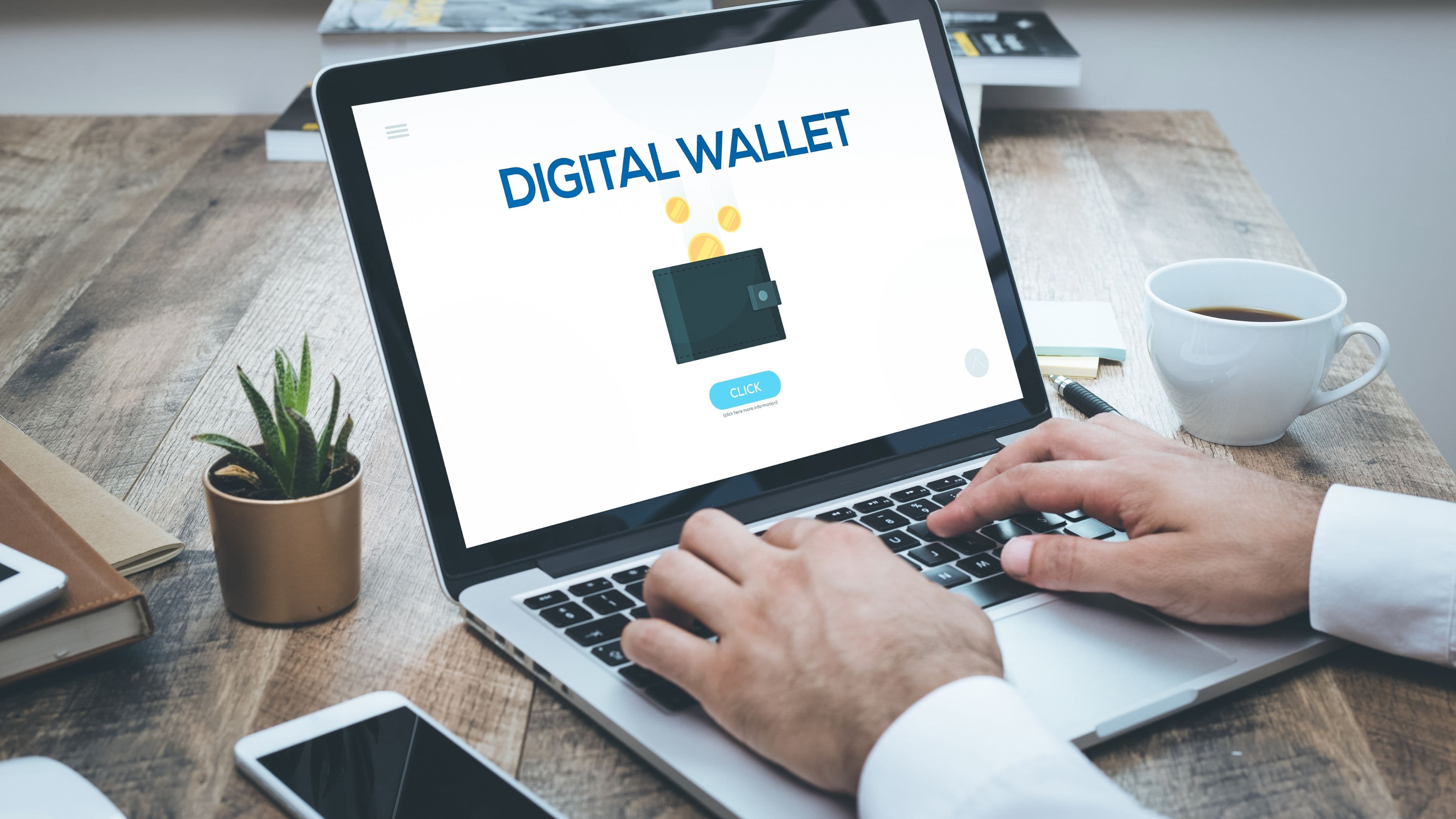
A digital wallet is software – on your phone, your computer, or a dedicated device – that stores payment information and lets you make transactions electronically. It holds things like credit card numbers, debit card details, loyalty cards, transit passes, boarding passes, and in some cases cash balances, in a secure digital format that can be accessed quickly when you need to pay.
The most familiar examples are Apple Pay, Google Pay, and Samsung Pay on the hardware side, and PayPal, Venmo, Cash App, and Zelle on the software/app side. Crypto wallets like Coinbase Wallet or MetaMask are also digital wallets, though they work quite differently from payment-focused ones. What all of them share is the core function: storing credentials or value so that transactions can happen faster, more conveniently, and often more securely than with a physical card or cash.
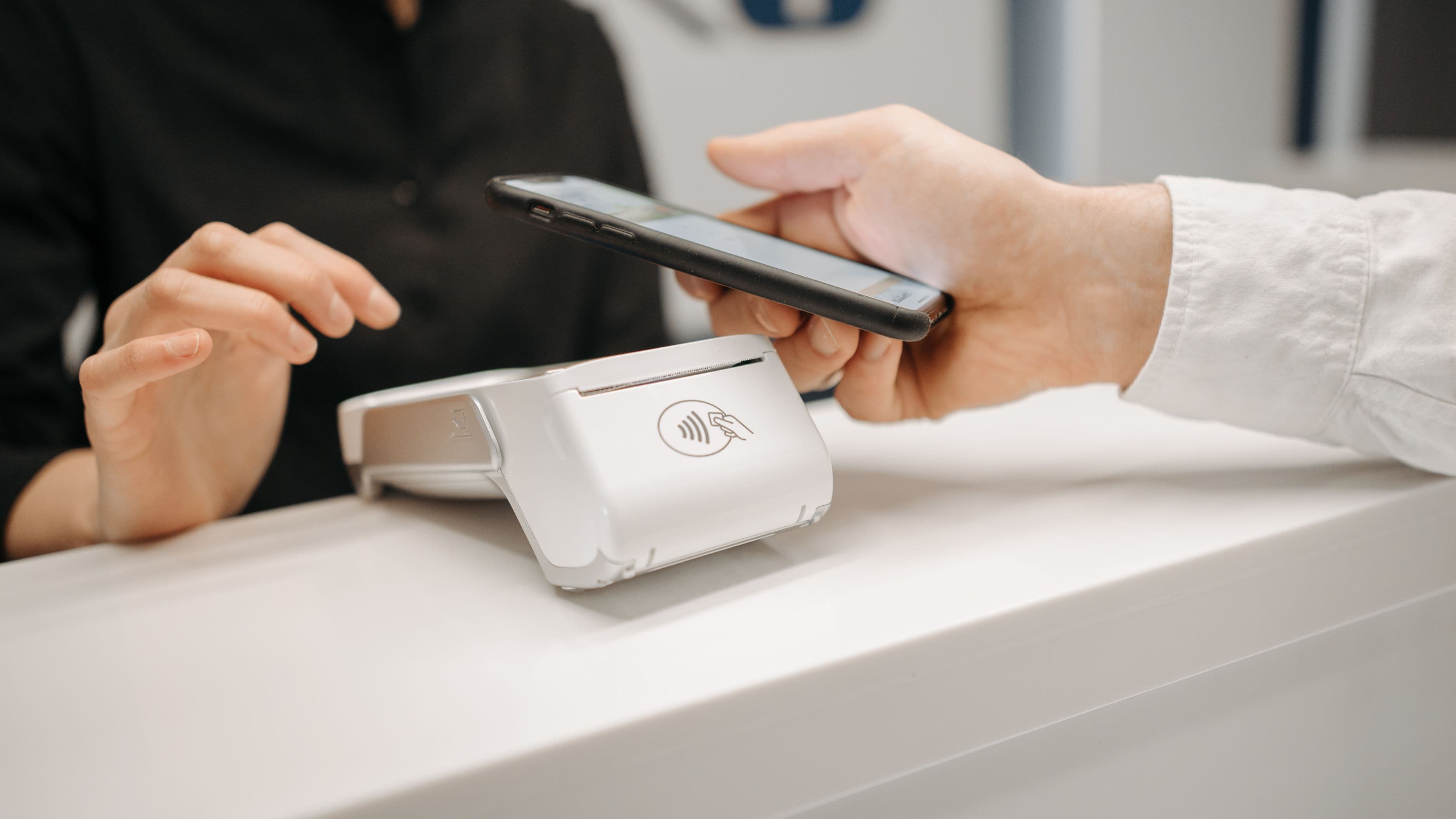
When you tap your phone at a checkout terminal, you're not actually transmitting your real card number. The wallet generates a one-time encrypted token – a temporary stand-in for your actual payment credentials – that gets sent to the merchant. Your real card number never leaves your device. This process, called tokenization, is one of the reasons digital wallets are often considered more secure than swiping a physical card.
What a Bank Account Is
A bank account is a financial account held at a licensed, regulated financial institution – a bank or credit union – where your money is stored, protected, and accessible. Your checking account holds the money you spend day to day. Your savings account holds money you're setting aside. The bank is the custodian: it safeguards your funds, processes payments in and out, and operates under strict regulatory oversight.
In the United States, deposits at FDIC-insured banks are protected up to $250,000 per depositor, per institution, per account category. That means if the bank fails, the federal government guarantees your money up to that limit. Banks also offer dispute resolution – if an unauthorized charge appears, there's a formal process to investigate and reverse it.
A bank account is where money lives. It's the foundation that most other financial tools – including digital wallets – sit on top of.
How They're Different
The clearest way to separate them: a bank account holds your money. A digital wallet is a tool for moving it.
When you add a card to Apple Pay, you're not moving money into Apple Pay. Your money stays in your bank account (or on your credit card). Apple Pay just stores the credentials to access that money and facilitates the transaction. Apple never holds your funds. If Apple went out of business tomorrow, your money would still be in your bank account exactly where it was.
Some digital wallets do hold balances – PayPal and Cash App both let you keep a cash balance inside the app itself rather than just linking to an external account. This is where the line blurs. That PayPal balance isn't sitting in a bank account in your name. It's held by PayPal, which pools customer funds in bank accounts it controls. The FDIC protection question becomes more complicated here: PayPal itself isn't a bank, and standard PayPal balances are not directly FDIC-insured in the way your Chase checking account is, though PayPal has taken steps toward offering pass-through insurance through partner banks for certain products.
This distinction matters practically. Money in your bank account is regulated, insured, and protected. Money sitting in a digital wallet's cash balance occupies a different regulatory category, with protections that vary by platform and product.
What Digital Wallets Can Do That Banks Can't (Easily)
Speed and convenience are the most obvious advantages, but there are a few areas where digital wallets genuinely outperform traditional banking infrastructure in ways that are worth understanding.
Peer-to-peer payments are the clearest example. Sending $50 to a friend through Venmo or Cash App takes about five seconds. Sending $50 from one bank account to another bank account – through a traditional ACH transfer – takes one to three business days. The underlying banking rails are slow. Digital wallet apps built on top of those rails have engineered faster user-facing experiences, sometimes by pre-funding transactions and settling in the background later.
International transfers are another area where digital wallets and fintech-adjacent services often outperform traditional banks on cost and speed. A bank wire to another country typically costs $15–$50 and takes several days. Services like Wise (which uses a digital wallet structure to hold balances in multiple currencies) can move money internationally for a fraction of the cost and settle in hours.
Integration with everyday life is more seamless through digital wallets. Your subway pass, concert tickets, hotel key, boarding pass, and payment method can all live in the same app. A bank account doesn't do any of that – it sits in the background, doing its job as a secure store for your money, while digital wallets handle the interaction layer.
What Banks Offer That Digital Wallets Don't
For all their convenience, digital wallets don't replicate the core functions of banking – and trying to use one as a substitute for a bank account creates real gaps.
Deposit insurance is the most significant. Your bank account is FDIC-insured. Most digital wallet cash balances are not, or carry conditional protections that require specific product configurations to apply. If the company running the wallet fails, your balance may not be fully recoverable.
Credit building doesn't happen through a digital wallet. Using Venmo or Apple Pay has no effect on your credit history. A bank account combined with responsible credit card use, on-time loan payments, or a secured credit card does. For anyone building or repairing credit, the banking relationship matters in ways that a digital wallet can't replace.
Overdraft protection, direct deposit infrastructure, check writing, wire transfers, mortgages, and investment accounts all exist within the banking relationship in ways that don't have direct equivalents in digital wallets. Banks are still the primary gateway to larger financial products and services.
Interest on savings is negligible in digital wallet cash balances, though some platforms are beginning to offer higher-yield options. A high-yield savings account at an FDIC-insured bank or credit union remains the more straightforward place to park cash you want to grow.
The Blurring Line
The distinction between digital wallets and bank accounts is getting less sharp over time, and intentionally so. Many fintech companies are building products that look like digital wallets but function increasingly like bank accounts – Cash App's banking features, PayPal's savings products, Apple's high-yield savings account (backed by Goldman Sachs) are all examples of the user-facing wallet expanding toward banking territory.
Conversely, traditional banks are building digital wallet functionality into their own apps, competing directly with the convenience that made third-party wallets popular. Zelle, embedded in most major bank apps, offers near-instant person-to-person transfers that match what Venmo offers, without the money ever leaving the regulated banking system.
The trend is toward convergence, but the underlying structures remain different in important ways – particularly around regulatory oversight, deposit insurance, and the legal protections available when something goes wrong.
What This Means for How You Use Both
Understanding the difference helps you use each for what it's actually good at. Your bank account is the right place for your core financial life: your paycheck, your savings, your bill payments, your emergency fund. It's where your money should live, protected and insured.
A digital wallet is the right tool for the convenience layer: quick payments, splitting bills, storing cards you use frequently, online checkout, and day-to-day spending friction reduction. If your wallet app offers a cash balance feature, think carefully about how much you leave sitting there and whether those funds carry the same protections as your bank balance – because in most cases, they don't.
The practical rule of thumb: keep meaningful money in your bank account. Use your digital wallet to move and spend it efficiently.
FAQ
Is it safe to keep money in a digital wallet like Venmo or Cash App? For small amounts that you'll use soon, the convenience is fine. For anything significant, your bank account is safer – it carries FDIC insurance and clearer regulatory protections. Some platforms are expanding their FDIC-insured products, but the default cash balance in most digital wallets doesn't carry the same protection level as a bank account.
Do I need a bank account to use a digital wallet? Not always. Apps like Cash App and Chime allow you to receive direct deposits and use a prepaid debit card without a traditional bank account. But for full financial functionality – credit building, insured deposits, access to larger financial products – a bank account remains important even if you use a digital wallet for day-to-day transactions.
Can someone steal money from my digital wallet? Digital wallets use strong security measures including tokenization, biometric authentication, and encryption. They're generally harder to compromise than a physical card. That said, phone theft, phishing attacks, or account compromise through weak passwords are real risks. Enable two-factor authentication, use a strong lock screen, and review your transaction history regularly.
What happens if a digital wallet company goes out of business? It depends on how your money is held. If your wallet only stores card credentials and doesn't hold a cash balance, your money stays in your linked bank account unaffected. If you have a cash balance in the wallet, the outcome depends on the platform's regulatory structure and whether pass-through FDIC insurance applies. This is a genuine risk of keeping significant balances in non-bank wallet apps.
Is Apple Pay or Google Pay safer than using my physical card? For most transactions, yes – because tokenization means your real card number is never transmitted to the merchant. A merchant data breach can't expose your actual card credentials if you paid via wallet token. Physical card skimming is also eliminated since you're not swiping a magnetic stripe. Your linked bank account or card still carries standard fraud protection if unauthorized charges do occur.
📚 Sources
Federal Deposit Insurance Corporation – FDIC Consumer Protections: https://www.fdic.gov/resources/consumers/
Consumer Financial Protection Bureau – Digital Payment Apps and Your Money: https://www.consumerfinance.gov/about-us/blog/digital-payment-apps-money-not-protected-same-way-bank-account/
Apple – Apple Pay Security and Privacy Overview: https://support.apple.com/en-us/102228
PayPal – FDIC Pass-Through Insurance and Funds Protection: https://www.paypal.com/us/legalhub/funds-insurance
Federal Reserve – Retail Payments and Digital Wallets Research: https://www.federalreserve.gov/paymentsystems/PaymentResearch.htm