
What a CBDC Actually Is
A central bank digital currency, or CBDC, is a digital form of a country's official currency, issued and backed directly by that country's central bank, rather than by a commercial bank or private payment company. This is a meaningful distinction from the money already sitting in your checking account, which is technically a liability of your commercial bank, not a direct claim on the central bank itself.
Think of it like the difference between physical cash, which is a direct claim on the central bank, and the digital number in your bank app, which represents a promise from your bank to give you that cash if you ask for it. A CBDC extends that direct, central-bank-backed relationship into fully digital form, without needing a commercial bank as the intermediary holding your money.
What a CBDC Wallet Actually Is
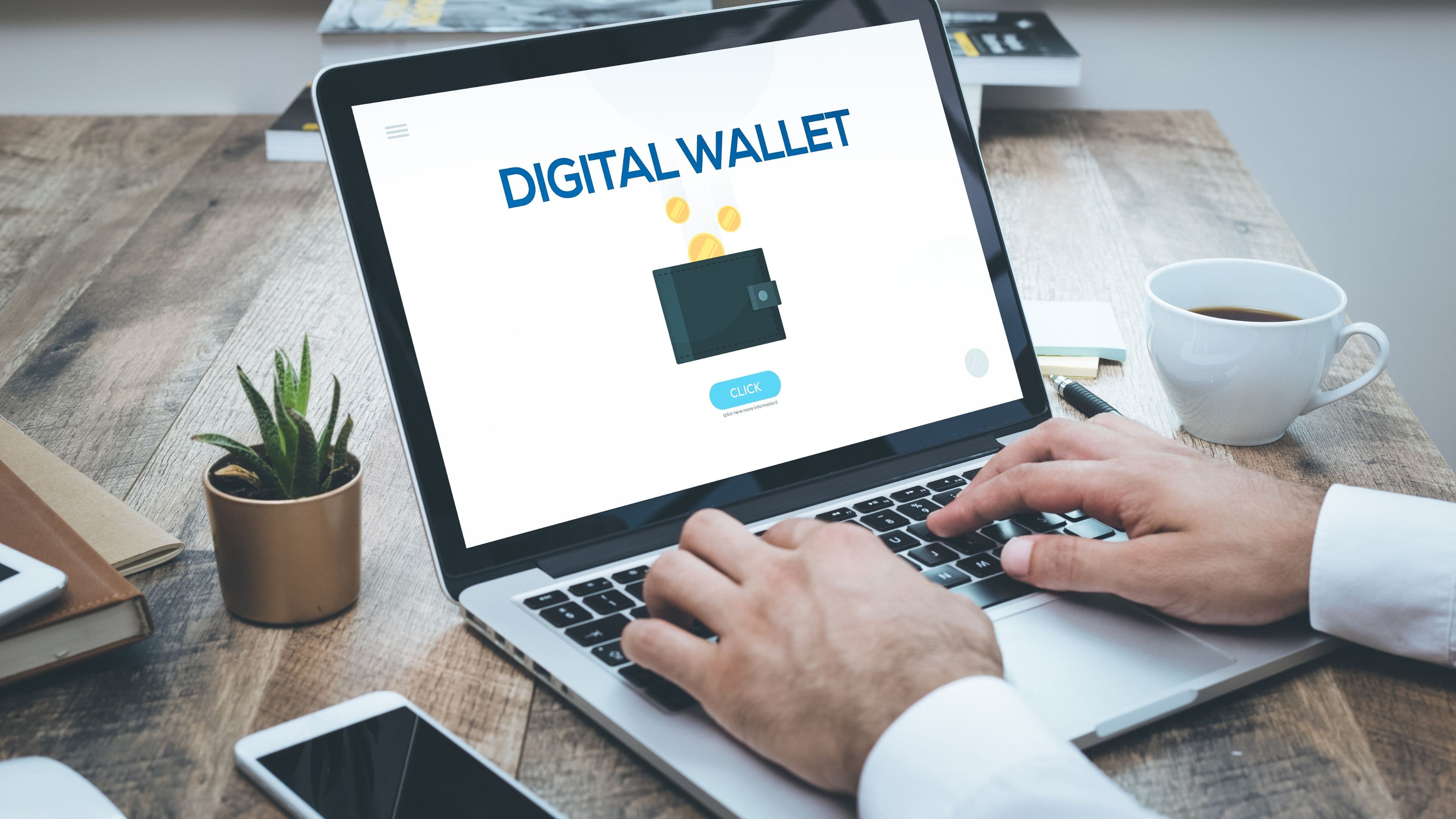
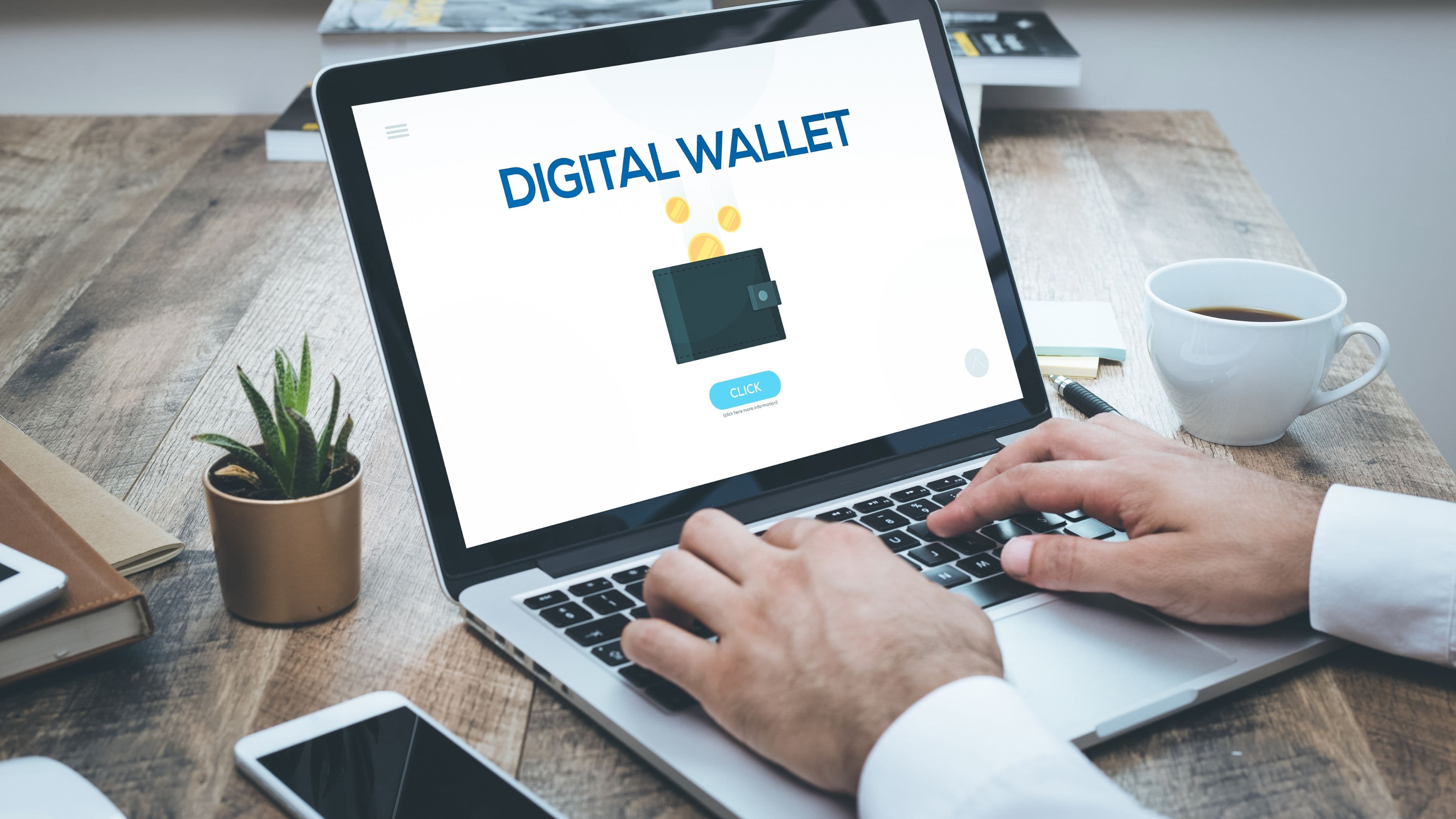
A CBDC wallet is the digital tool – likely an app on your phone, similar to existing mobile payment apps – that would let you hold, send, and receive this central bank digital currency directly. Depending on how a specific country's system is designed, this wallet might be offered directly by the central bank itself, or more commonly in current pilot programs, through commercial banks or approved payment providers acting as an interface to the underlying central bank currency.
How This Would Actually Work for Everyday Spending
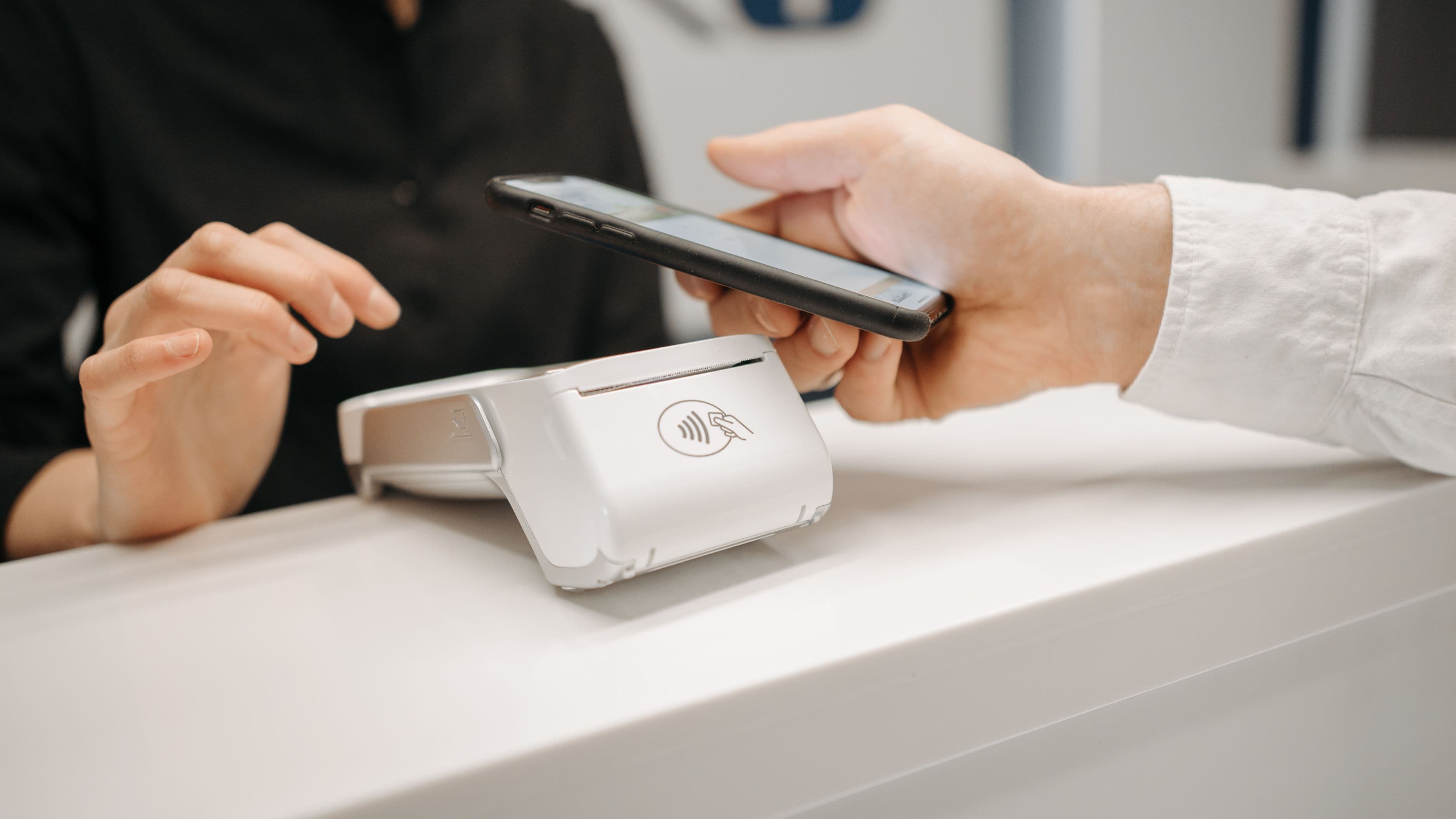
In most current pilot designs, using a CBDC wallet for a purchase would look remarkably similar to using an existing mobile payment app – tapping your phone at checkout, scanning a QR code, or sending money to another person's wallet directly. The visible user experience is designed to feel familiar and simple, even though what's happening behind the scenes, in terms of who's actually issuing and settling that currency, is meaningfully different from a traditional bank transfer or card payment.
Why this matters practically: for most everyday users, a functioning CBDC system might feel almost identical to existing digital payment methods on the surface, with the more significant differences showing up in settlement speed, transaction fees, and how directly your money is connected to the central bank rather than a commercial intermediary.
Where CBDCs Currently Stand Globally
Several countries have moved further than others in developing and piloting CBDC systems, with some already running limited public trials, while others, including the United States, remain in earlier research and exploration phases without a fully operational retail CBDC currently available to the general public. It's worth being clear that as of now, a fully rolled-out, mainstream CBDC wallet isn't something most people in most countries can actually use today, even though the underlying technology and pilot programs are actively developing.
Real Benefits Being Explored
Faster, potentially cheaper cross-border payments are one of the most discussed potential benefits, since a CBDC could theoretically settle transactions more directly than the current system, which often routes international payments through multiple intermediary banks, each adding time and fees. Financial inclusion is another frequently cited goal, particularly the idea that a CBDC wallet requiring only a basic smartphone could provide banking-like functionality to people who currently lack access to traditional bank accounts.
Real Risks and Limitations Worth Understanding
Privacy is one of the most significant and actively debated concerns around CBDCs, since a system where transactions are recorded through a central bank-connected system raises real questions about how much transaction-level data the central bank or government could access, compared to existing commercial banking systems with their own, differently structured privacy and disclosure rules. This is a genuinely unresolved design question across current pilot programs, with different countries taking different approaches to how much transaction privacy a CBDC system would actually preserve.
There are also open questions about how a CBDC would affect commercial banks, since if people could hold money directly with a central bank instead of a commercial bank, it could reduce the deposits commercial banks rely on for lending, a shift that could have wider effects on the broader banking and lending system that regulators are actively studying as part of ongoing CBDC design work.
What This Means for You Right Now
For the average person today, a CBDC wallet isn't yet something you're likely to be using for everyday spending, and it's worth being skeptical of any product marketed directly to consumers today claiming to offer CBDC access, since most countries, including the US, don't currently have an operational, publicly available retail CBDC. What's worth actually paying attention to is the ongoing policy conversation and pilot program results in various countries, since these will likely shape whether and how a CBDC eventually becomes part of everyday financial life.
Risks and Limitations Summary
Genuine uncertainty remains around privacy protections, the effect on commercial banking, and the practical rollout timeline in most countries actively exploring this technology, and none of these questions have a single settled answer yet across the different pilot programs currently underway globally.
FAQ
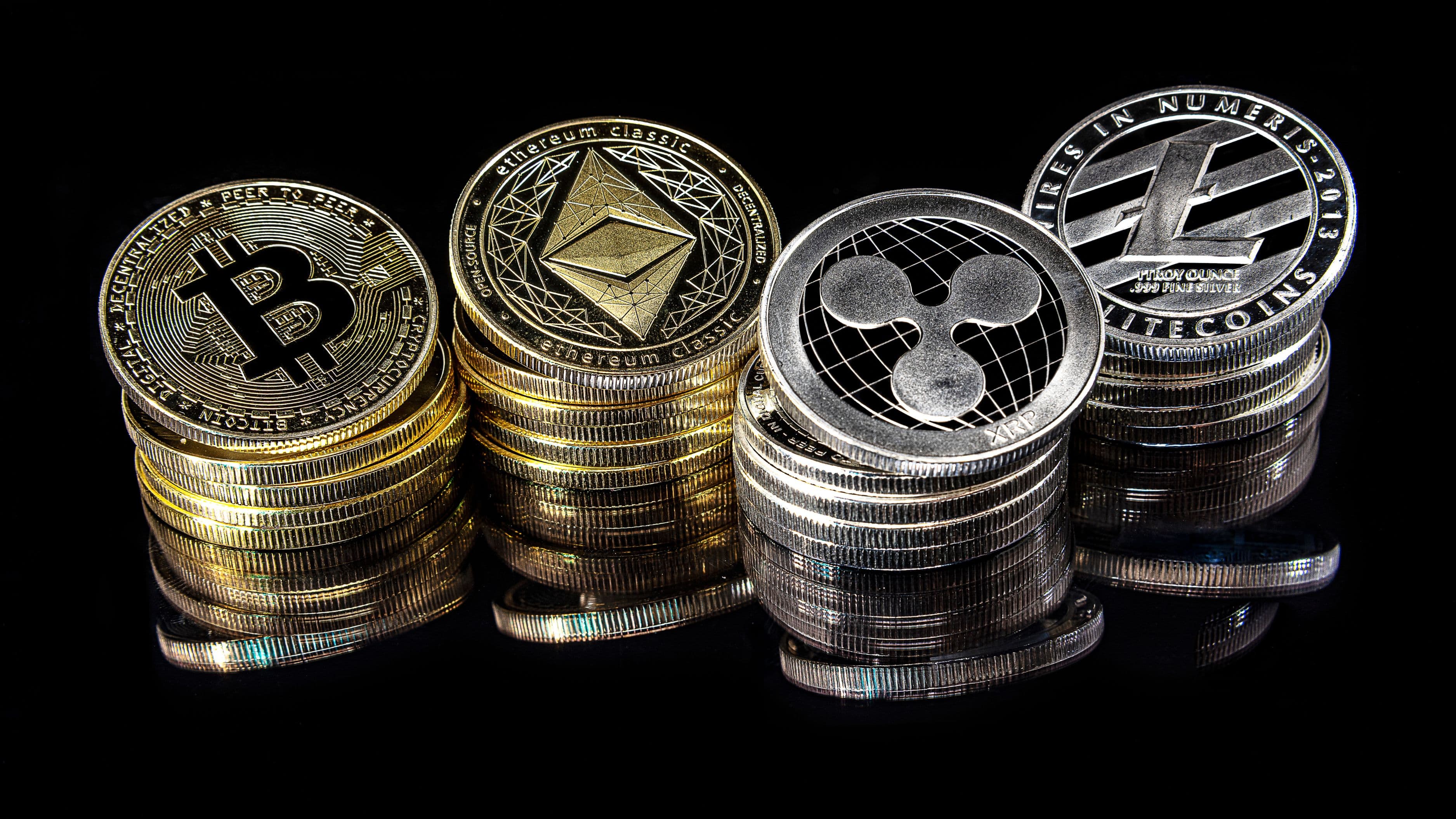
Is a CBDC the same thing as cryptocurrency like Bitcoin? No – a CBDC is issued and controlled by a central bank, similar to traditional currency but in digital form, while cryptocurrencies like Bitcoin are decentralized and not issued or backed by any government or central authority.
Can I use a CBDC wallet in the US right now? Not currently for everyday retail use – the US Federal Reserve has been researching the concept but has not launched a publicly available retail CBDC as of now.
Would a CBDC replace my existing bank account? This depends heavily on how a specific country's system is ultimately designed – some proposed models work alongside commercial banks rather than replacing them entirely, while the broader implications for the banking system remain an active area of policy debate.
CBDC wallets represent a genuinely significant potential shift in how digital currency and payments could work, but the technology and policy framework are still actively being developed and piloted in most countries, including the US. Understanding the actual distinction between a CBDC and existing digital money, along with the real privacy and banking-system questions still being worked out, matters more right now than expecting to use one for everyday spending anytime soon.
📚 Sources
Federal Reserve: Central Bank Digital Currency (CBDC) – https://www.federalreserve.gov/central-bank-digital-currency.htm
Bank for International Settlements: CBDC Research and Pilots – https://www.bis.org/topic/cbdc.htm
International Monetary Fund: Central Bank Digital Currencies – https://www.imf.org/en/Topics/fintech/central-bank-digital-currency