
What a Tokenized Bond Actually Is
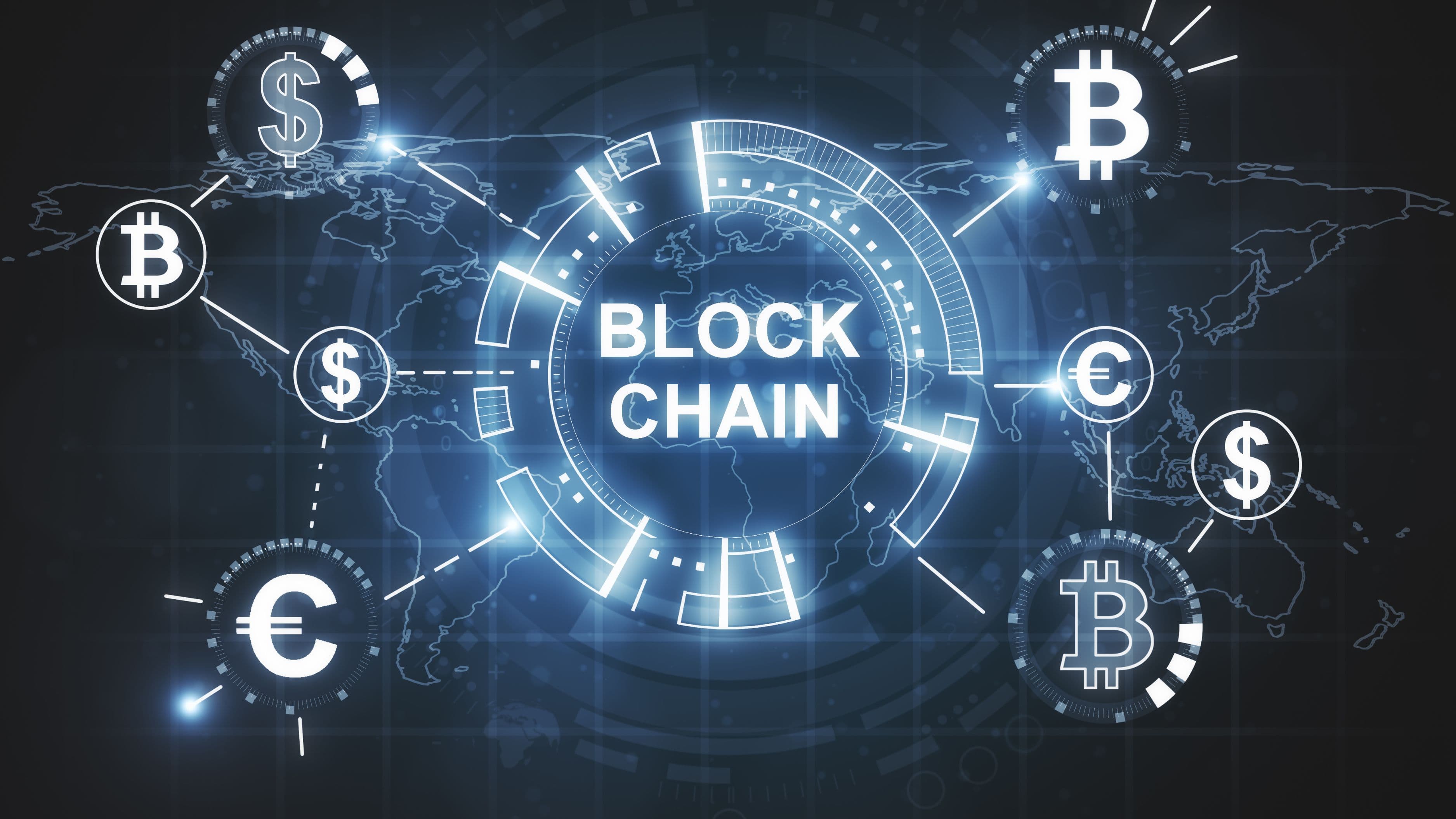
A tokenized bond represents ownership of a traditional bond, or a bond-like debt instrument, recorded on a blockchain rather than through the traditional paper and centralized-database system most bonds currently use. The underlying financial mechanics – a debt instrument paying periodic interest with a defined maturity date – remain fundamentally the same as a traditional bond. What changes is how ownership is recorded, transferred, and settled.
Think of it like the difference between a paper stock certificate and a digital brokerage account entry – tokenization is a similar shift for bonds, moving the record-keeping onto a blockchain-based system instead of a traditional centralized financial database.
Why This Actually Matters for Everyday Investors
Traditional bonds, particularly corporate and certain government bonds, often carry high minimum investment thresholds, sometimes requiring $1,000, $10,000, or more just to purchase a single unit, which effectively locks out smaller investors from directly holding many bond types. Tokenization allows for fractional ownership at a much more granular level, meaning a bond could theoretically be divided into much smaller units, letting investors with more modest amounts of capital gain direct exposure to bonds they couldn't previously access at all.
Real-world example: instead of needing $10,000 to buy a single corporate bond unit, a tokenized version might allow an investment of a few hundred dollars, opening up bond market access to a meaningfully broader range of investors than the traditional system's minimums allowed.
Faster Settlement Times
Traditional bond trades often take one to two business days to fully settle, involving multiple intermediaries confirming and processing the transaction. Blockchain-based settlement can, in principle, happen much faster, sometimes near-instantly, since the transaction is recorded directly on a shared ledger rather than requiring reconciliation between multiple separate institutional systems.
Why this matters practically: faster settlement reduces counterparty risk during the settlement window and can make bond markets more liquid and responsive, though it's worth noting that current tokenized bond pilots haven't fully eliminated the traditional settlement infrastructure everywhere, and actual adoption of instant settlement varies by specific program and jurisdiction.
Increased Transparency and Programmability
Because tokenized bonds exist on a blockchain, certain functions – like automatic interest payments to bondholders – can potentially be handled through programmable smart contracts, reducing manual administrative overhead compared to traditional bond servicing processes. This programmability is still an evolving area, with current implementations varying significantly in how much of the traditional bond servicing process has actually been automated versus still relying on traditional financial infrastructure behind the scenes.
Where Tokenized Bonds Currently Stand
Several major financial institutions and even some governments have run pilot programs issuing tokenized bonds, testing the technology at meaningful but still relatively modest scale compared to the overall traditional bond market. This remains an evolving space rather than a fully mainstream replacement for traditional bond investing – most fixed-income investing today still happens through conventional channels, and tokenized bonds represent a growing but still comparatively small segment of the overall market.
Real Risks and Limitations Worth Understanding
Regulatory clarity around tokenized securities varies significantly by country and continues evolving, meaning the legal protections and regulatory oversight applying to a tokenized bond may differ from those governing a traditional bond, depending on the specific jurisdiction and how that country's regulators have chosen to treat this asset class. This is a genuinely important consideration, since investor protections that are well-established for traditional bonds aren't necessarily identical for every tokenized bond structure currently in the market.
Liquidity for tokenized bonds, despite the theoretical potential for improved transparency and faster settlement, can still be limited in practice if the specific tokenized bond market for that instrument doesn't yet have significant trading volume, meaning the theoretical benefits of blockchain-based trading don't automatically translate into deep, liquid markets for every tokenized bond currently available.
Technology and custody risk is also worth understanding directly – holding a tokenized asset requires either a compatible digital wallet or working with a custodian who manages that on your behalf, introducing a different set of technical and security considerations compared to a traditional brokerage-held bond.
What This Means for Your Investing Approach
If you're interested in tokenized bonds specifically, treat this as an evolving, still relatively early-stage segment of fixed-income investing rather than a fully mature, mainstream alternative to traditional bonds. Research the specific issuer, the regulatory framework governing that particular tokenized bond, and the actual trading liquidity available before investing meaningful amounts, since these factors vary considerably between different tokenized bond programs and issuers.
FAQ
Are tokenized bonds regulated the same way as traditional bonds? This varies by jurisdiction and specific issuance, and regulatory frameworks for tokenized securities are still evolving in many countries, so it's worth researching the specific regulatory status of any particular tokenized bond before investing.
Can I buy tokenized bonds through a regular brokerage account? Not typically through traditional brokerage platforms yet – most current tokenized bond access is through specialized platforms or institutional programs, though this is an area that continues to develop.
Do tokenized bonds pay interest the same way traditional bonds do? Generally yes in concept, since the underlying debt instrument mechanics remain similar, though the actual payment mechanism may be automated through smart contracts depending on the specific program's design.
Tokenized bonds represent a genuinely interesting shift in how fixed-income investing could work, particularly around accessibility and settlement speed, but the space remains relatively early-stage with real regulatory and liquidity considerations still developing. Understanding both the potential benefits and the current limitations helps set realistic expectations rather than assuming this is already a fully mainstream alternative to traditional bond investing.
📚 Sources
Bank for International Settlements: Tokenization in Fixed Income Markets – https://www.bis.org/publ/work.htm
U.S. Securities and Exchange Commission: Digital Asset Securities – https://www.sec.gov/securities-topics/digital-assets
World Economic Forum: Tokenization of Real-World Assets – https://www.weforum.org/