Instant payment systems have existed in some form for years, but their rapid expansion across countries and banking systems recently owes a lot to how AI is solving the fraud detection, compliance, and infrastructure problems that used to slow this kind of transfer down.
What Instant Payments Actually Are
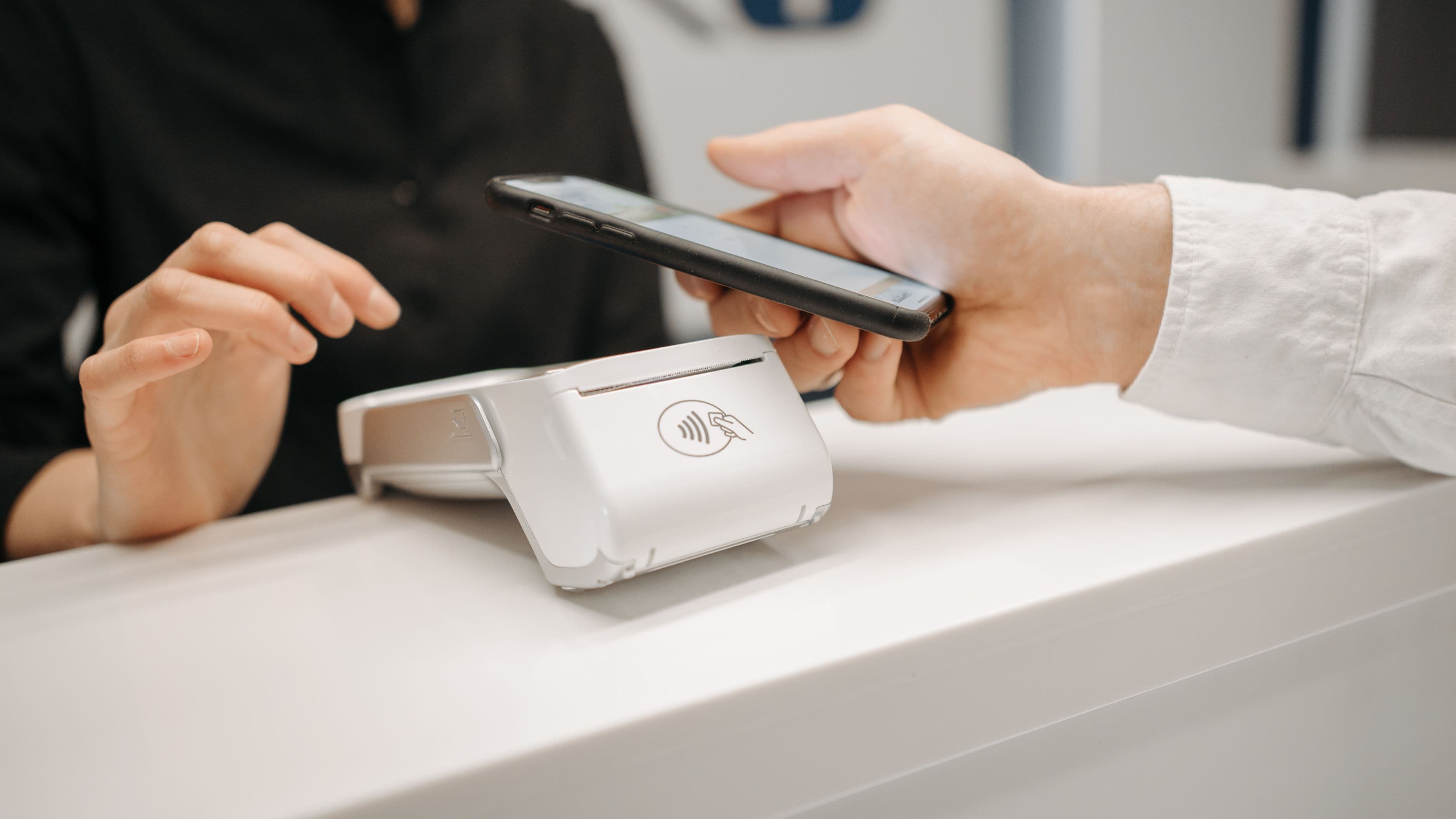
Instant payment systems allow money to move between accounts – whether that's a bank-to-bank transfer, a person-to-person payment, or a business transaction – within seconds, any time of day, rather than during limited banking hours with multi-day settlement periods. Examples include the UPI system in India, FedNow in the United States, and various real-time payment rails being rolled out across Europe and parts of Asia.
Traditionally, the delay in payment processing wasn't really about the money moving slowly – it was about the verification, fraud-checking, and compliance processes that needed to happen before a transaction could be safely finalized. This is exactly where AI has changed the equation.
Why Fraud Detection Was the Bottleneck
Before instant payments became viable at scale, banks needed time to review transactions for signs of fraud, money laundering, or other suspicious activity, a process that historically relied on manual review or slower rule-based systems that flagged transactions matching known fraud patterns. This review process is a major reason older payment systems took days rather than seconds.
AI-powered fraud detection systems changed this by analyzing transaction patterns in real time, comparing a given transfer against a much broader set of behavioral signals – typical spending patterns, device information, transaction timing, and historical account behavior – all within a fraction of a second. Rather than waiting for a human reviewer or a slower batch process, these systems can approve or flag a transaction almost instantly with a level of accuracy that older rule-based systems couldn't match.
Real-World Example: How This Plays Out for You
Imagine sending a same-day rent payment to a landlord through your bank's instant transfer feature. Behind the scenes, an AI fraud detection model is evaluating dozens of signals in real time – is this a typical amount for your account, is the recipient someone you've paid before, does the transaction pattern match your usual behavior – and clearing the payment within seconds if nothing looks unusual.
If something does look off – say, a much larger transfer than usual to a brand-new recipient – the same AI system might flag it for a quick secondary verification step, like a text confirmation, rather than freezing the transaction for days of manual review the way older systems often did. This balance between speed and safety is exactly what's made rapid, global adoption of instant payments realistic.
Why This Matters for Everyday Money Decisions
For everyday users, this shift means less friction around common financial actions – splitting a bill, paying a contractor, sending money to family, or handling a business transaction – without the multi-day wait that used to be standard. Small businesses in particular benefit meaningfully here, since faster payment settlement improves cash flow without requiring them to take on additional financing to bridge payment gaps.
It also changes expectations. As more instant payment systems roll out globally, waiting several business days for a transfer is starting to feel like an outdated experience rather than a normal one, similar to how instant messaging replaced waiting days for a letter to arrive.
The Risks and Limitations Worth Understanding
Faster payments also mean faster potential mistakes. If you send money to the wrong account or fall victim to a scam, the instant nature of these systems means there's often much less time to catch and reverse an error compared to older, slower transfer methods that gave banks more opportunity to intervene before funds fully settled.
AI fraud detection, while significantly improved, isn't perfect. False positives – legitimate transactions flagged unnecessarily – still happen, and can create friction for users who genuinely just made a slightly unusual purchase. Similarly, sophisticated fraud attempts continue to evolve alongside detection systems, meaning this remains an ongoing arms race rather than a solved problem.
Regulatory frameworks are also still catching up in many regions, meaning consumer protections around instant payment errors or fraud aren't uniformly as robust as they are for older, more established payment methods like credit cards.
What to Watch Next
Expect continued expansion of instant payment infrastructure across more countries, alongside more banks integrating AI-driven fraud detection directly into their instant transfer products rather than treating it as a separate add-on service. Cross-border instant payments – sending money internationally with the same speed as a domestic transfer – remain a more complex challenge, since they require coordination between multiple countries' banking and regulatory systems, but meaningful progress is being made in select country-to-country payment corridors.
FAQ
Are instant payments as safe as traditional bank transfers? Generally yes, thanks to AI-driven fraud detection working in real time, though the speed of settlement means less opportunity to reverse mistakes or fraudulent transactions once they're completed. Being cautious about who you're sending money to matters more with instant payments than with slower transfer methods.
Why do some instant payments still take longer than others? This often comes down to which specific payment network or bank is involved. Not every bank or country has fully adopted instant payment infrastructure yet, so some transfers may still route through older, slower systems depending on your specific setup.
Does AI fraud detection ever block legitimate transactions? Yes, this happens occasionally, known as a false positive. Most systems offer a quick secondary verification step in these cases rather than fully blocking the transaction, though it can still create momentary friction for the sender.
Instant payments are becoming the norm rather than the exception, and AI's role in making that speed safe – catching fraud in real time instead of relying on multi-day review – is one of the less visible but genuinely important reasons this shift is happening as quickly as it is.
📚 Sources
Federal Reserve: FedNow Service Overview - https://www.frbservices.org/financial-services/fednow
Bank for International Settlements: Fast Payments Report - https://www.bis.org/cpmi/publ/d154.htm