Here's what Web3 banking actually means, how it works in practice, and a grounded look at whether it's genuinely positioned to be the future or just one piece of a much more complicated financial picture.
What Web3 Banking Actually Is
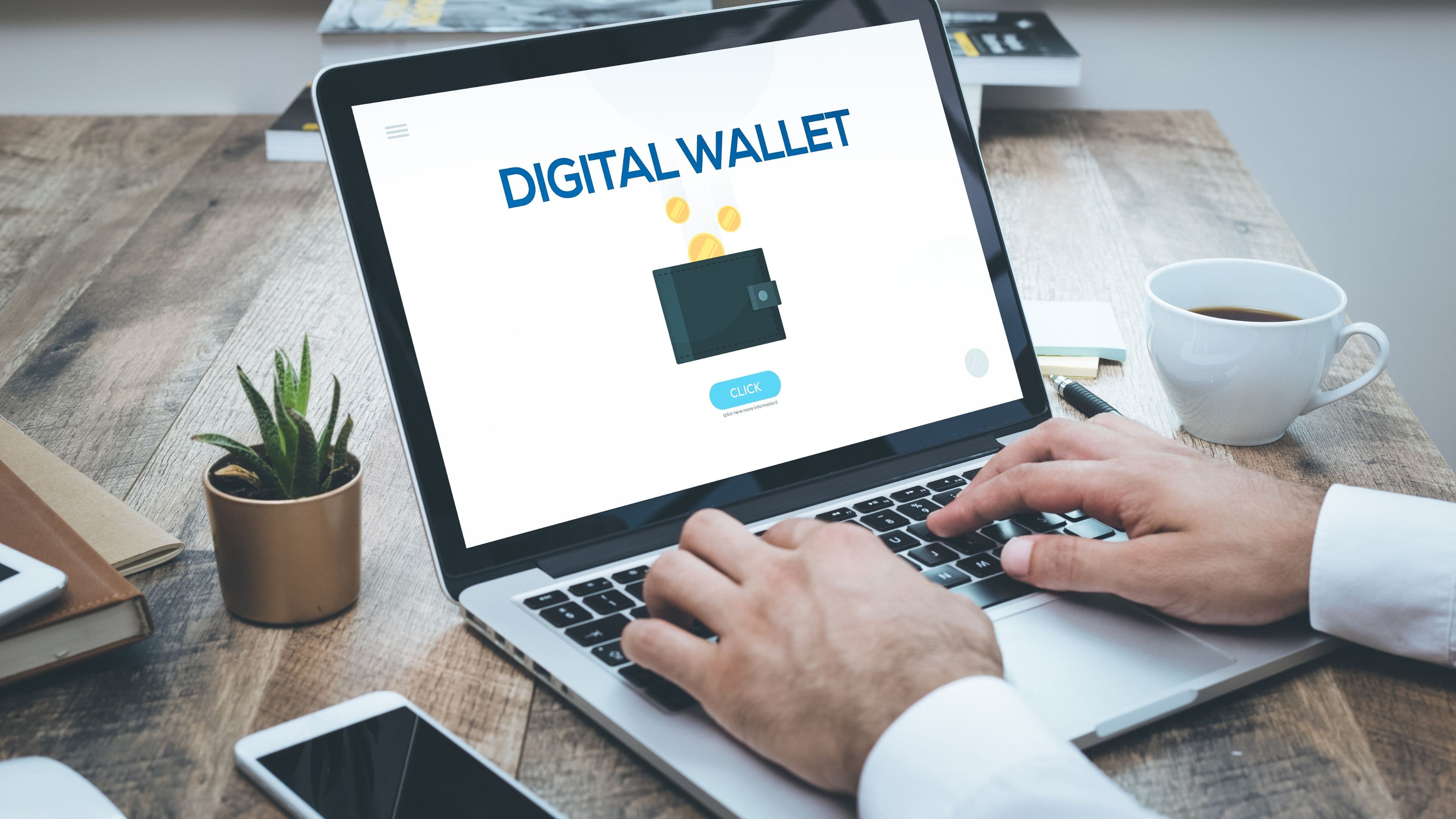
Web3 banking refers to financial services built on blockchain technology that let users hold, send, and manage money without relying on a traditional bank as an intermediary. Instead of a bank holding your funds and processing transactions on your behalf, Web3 banking tools typically rely on a personal digital wallet, secured by a private cryptographic key that only you control.
Think of it like the difference between keeping cash in a safety deposit box a bank manages for you, versus keeping it in a personal safe where you and only you hold the key. The bank version offers convenience and institutional backing; the Web3 version offers direct control, but that control comes with real added responsibility.
How It Works in Practice
Most Web3 banking tools center around a crypto wallet – software that stores your private keys and interacts with blockchain networks. Some platforms layer additional services on top of this basic wallet function, including the ability to earn interest on deposited crypto assets, take out crypto-backed loans, or convert between digital and traditional currency.
A practical example: instead of depositing a paycheck into a checking account at a traditional bank, someone using a Web3 banking platform might receive payment directly into a digital wallet, then use a decentralized lending protocol to earn yield on that balance, all without a bank ever touching the transaction. The appeal here is removing traditional banking fees and delays, since blockchain transactions can settle faster and with lower overhead than routing through multiple banking intermediaries.
Why It Matters
The core promise of Web3 banking is financial access without geographic or institutional gatekeeping. For someone in a country with limited banking infrastructure or unstable local currency, a Web3 wallet can offer access to global financial tools that a traditional bank account in that region simply might not provide.
There's also a control and transparency angle that resonates with certain users – blockchain transactions are recorded on a public ledger, meaning the movement of funds through many Web3 protocols can be independently verified, rather than relying entirely on a bank's internal record-keeping. For everyday users skeptical of banking fees or frustrated by slow international transfers, this pitch genuinely resonates.
Real-World Examples
Decentralized finance (DeFi) lending platforms let users deposit crypto assets and earn interest paid out algorithmically based on supply and demand within the protocol, functioning somewhat like a savings account but without a bank setting the interest rate. Crypto debit cards, offered by several platforms, let users spend crypto balances directly at regular merchants by converting to traditional currency at the point of sale.
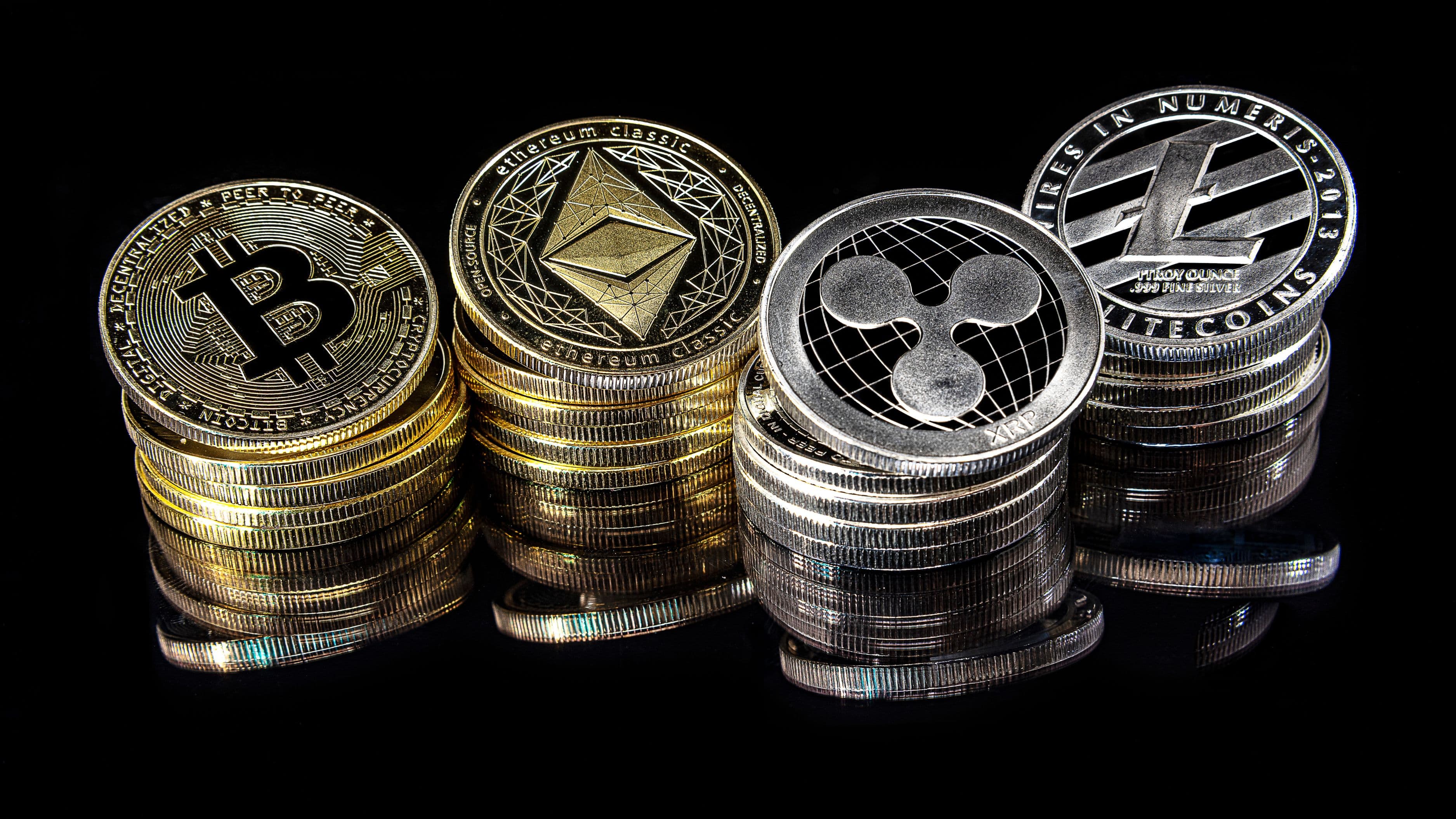
Stablecoins – cryptocurrencies designed to hold a steady value pegged to a currency like the US dollar – have also become a practical entry point into Web3 banking for people wanting blockchain-based transactions without the volatility associated with assets like Bitcoin or Ethereum.
The Risks and Limitations
This is where the picture gets considerably more complicated than the optimistic pitch suggests. Because you control your own private keys in most Web3 banking setups, losing that key – through a lost device, a forgotten password, or a scam – can mean permanently losing access to your funds, with no bank customer service line to call and no account recovery process available.
Regulatory protection is also far less established than with traditional banking. Deposits at insured banks are typically protected up to a certain amount if the bank fails, while most Web3 banking platforms and protocols carry no equivalent government-backed insurance. Smart contract bugs, protocol hacks, and platform failures have resulted in real, uninsured losses for users across the DeFi space, and this remains a genuine ongoing risk rather than a hypothetical concern.
Regulatory uncertainty adds another layer of complexity, since laws governing crypto assets and decentralized finance are still evolving and vary considerably by country, which creates real uncertainty around long-term legal treatment of these tools.
Is It Really the Future?
The honest answer is more nuanced than either the hype or the skepticism suggests. Web3 banking tools are genuinely useful for specific use cases – cross-border transactions, access in regions with limited banking infrastructure, and users comfortable managing their own security. But the infrastructure, consumer protections, and regulatory clarity that make traditional banking broadly trustworthy for the general public are still considerably behind where they'd need to be for mass adoption.
A more realistic view is that Web3 banking will likely coexist alongside traditional banking rather than fully replacing it, filling specific gaps traditional banks don't serve well, while traditional banks continue handling the deposit insurance, dispute resolution, and regulatory oversight that most everyday users still rely on and expect.
What to Watch Next
Keep an eye on how major traditional banks respond, since several have already begun piloting their own blockchain-based settlement systems and partnerships with crypto infrastructure providers, suggesting a blending of the two models rather than a clean replacement of one by the other. Regulatory developments, particularly around stablecoins and consumer protection standards for crypto platforms, will also significantly shape how mainstream Web3 banking adoption becomes over the next several years.
FAQ
Is Web3 banking regulated the same way as traditional banking? No. Regulatory oversight varies significantly by country and platform, and most Web3 banking tools currently lack the deposit insurance protections traditional bank accounts offer.
Do I need to understand cryptocurrency to use Web3 banking tools? Some baseline understanding helps considerably, since managing your own private keys and understanding wallet security requires more personal responsibility than traditional banking.
Could Web3 banking fully replace traditional banks? Unlikely in the near term. It's more probable that both systems coexist, with Web3 tools filling specific gaps rather than fully displacing traditional banking infrastructure.