


What Traditional Credit Scoring Actually Looks At
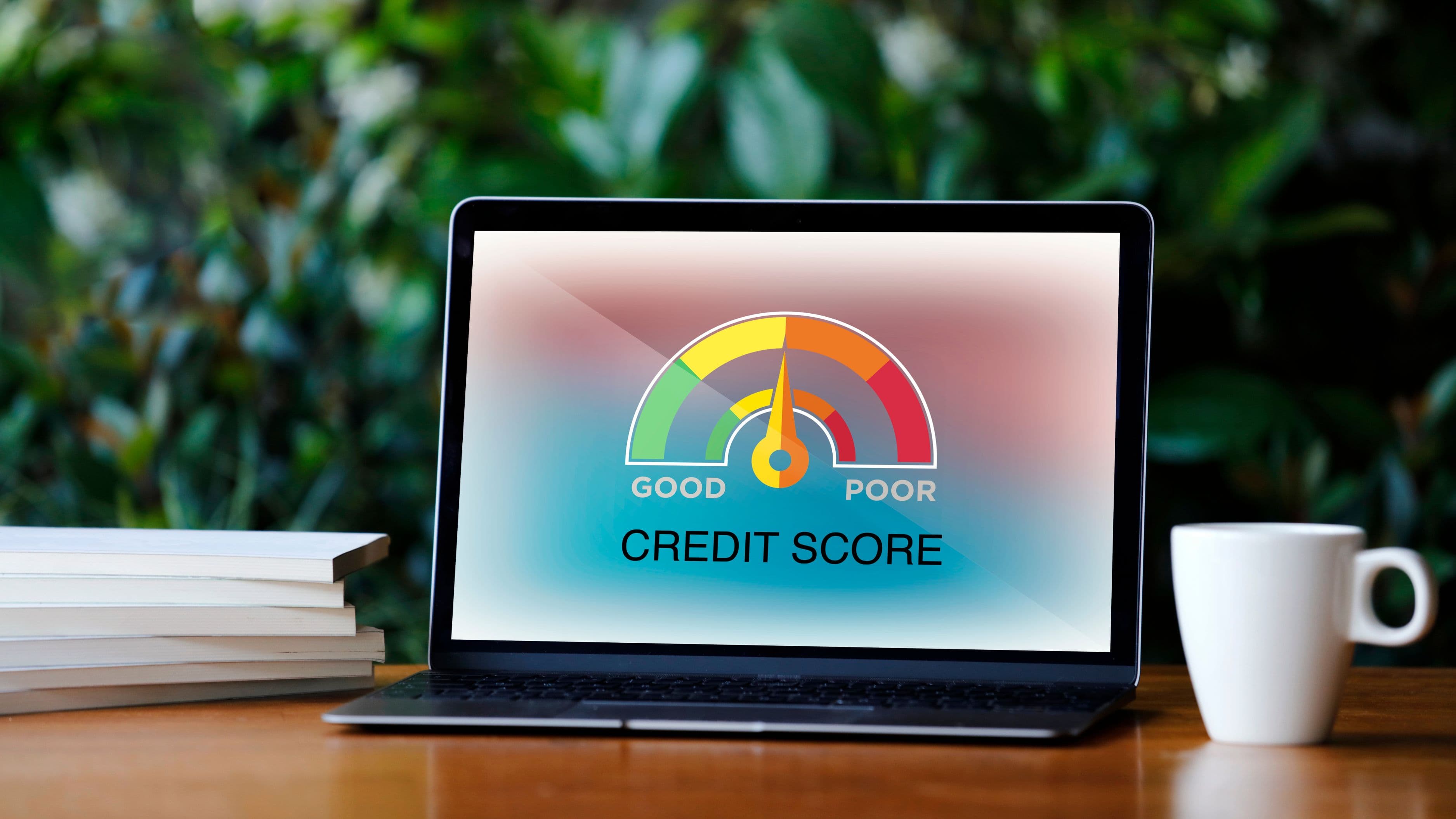
Traditional credit scores, like FICO, are built primarily from a fairly narrow set of data points: your history of credit card and loan payments, how much of your available credit you're using, the length of your credit history, and a few other similar factors. This model works reasonably well for people with an established credit history, but it can significantly underrepresent people who are financially responsible in ways the model simply doesn't capture, like someone who pays rent and utility bills reliably every month but has never had a credit card.
How AI-Driven Credit Models Expand the Picture
AI-based credit risk models can incorporate a much wider range of data: bank account cash flow patterns (how much money moves in and out, and how consistently), payment history on rent, utilities, and phone bills, and in some cases, even patterns in how someone manages day-to-day spending. Rather than relying on a fixed formula weighting a handful of factors, machine learning models can identify more complex relationships between many data points simultaneously and how they relate to the likelihood someone will repay a loan.
Think of it like the difference between judging someone's reliability based on a single, narrow test versus getting a fuller picture by observing many different aspects of their behavior over time. Traditional credit scoring is closer to that single test, while AI-driven models attempt to build a broader, more nuanced picture using data traditional scoring simply doesn't examine.
A Real-World Example of Why This Matters
Consider someone who immigrated to the US five years ago, has held steady employment the entire time, pays rent and bills on time every month, but has never taken out a loan or opened a credit card, meaning they have no traditional credit history at all. Under a traditional scoring model, this person might be treated similarly to someone with a genuinely poor credit history, simply because both show "no established credit," even though their actual financial behavior looks nothing alike.
An AI model incorporating cash flow and bill payment data could recognize this person's consistent financial reliability, even without a traditional credit history, potentially expanding access to credit for people in genuinely similar situations who've been underserved by traditional scoring models.
The Real Benefit for Consumers
For borrowers with thin or nonexistent traditional credit files, students, recent immigrants, people who've simply avoided credit cards and loans by choice, AI-driven credit assessment can mean access to loans, credit cards, or better rates than traditional scoring alone would have offered, based on a more complete and arguably more accurate picture of actual financial behavior rather than the absence of a specific kind of credit product usage.
The Legitimate Concerns Worth Understanding
Here's where the picture gets more complicated. AI models trained on historical data can inadvertently learn and perpetuate biases present in that data, even without anyone intentionally designing the model to discriminate. If historical lending patterns reflected broader societal inequities, an AI model trained on that historical data risks learning and reproducing those same patterns, even while using genuinely different input data than a traditional credit score.
This is a real, actively studied concern among regulators and researchers, not a hypothetical one. Some AI credit models have faced scrutiny for producing outcomes that correlate with factors like race or gender, even when those specific factors weren't directly included as inputs, because other data points used by the model can serve as indirect proxies for those same characteristics.
How Regulation Is Responding
Financial regulators in the US have begun requiring greater transparency from lenders using AI-driven credit models, including explanations for why a specific application was denied, a requirement that existed for traditional credit decisions but that's proven more complex to satisfy meaningfully when the underlying model is a complex machine learning system rather than a simpler, more explainable scoring formula. This remains an evolving regulatory area, with ongoing debate about how much explainability should be required and how to meaningfully audit these models for unintended bias.
What This Means for You as a Borrower
If you're applying for credit and a lender uses AI-driven assessment, it's reasonable to ask what specific factors were considered in a credit decision, particularly if you're denied and the explanation feels vague or unclear. It's also worth comparing offers across multiple lenders when possible, since different institutions may use different models that weigh your specific financial situation differently, potentially resulting in meaningfully different offers for the same underlying financial profile.
Risks and Limitations to Keep in Mind
AI-driven credit models are still a relatively new and evolving space, and the safeguards for detecting and correcting unintended bias are not yet uniformly applied across all lenders using this technology. Approaching an AI-assessed credit offer with the same scrutiny you'd apply to any loan, checking the actual rate, terms, and total cost, remains just as important as it's always been, regardless of how the underlying credit decision was made.
FAQ
Can I ask why an AI system denied my credit application? Yes, lenders are generally required to provide a reason for credit denial, though the specificity and clarity of that explanation can vary depending on the complexity of the underlying model.
Are AI credit models legally required to avoid discrimination? Yes, existing fair lending laws apply regardless of whether a traditional or AI-driven model is used, though enforcement and auditing methods for AI-specific bias are still developing.
Should I trust an AI-driven credit decision more than a traditional one? Neither should be trusted or distrusted automatically. Both approaches carry different strengths and limitations, and comparing actual loan terms remains the most reliable way to evaluate any offer.
📚 Sources
Consumer Financial Protection Bureau – Innovation and AI in Lending: https://www.consumerfinance.gov/rules-policy/innovation/
Federal Reserve – Artificial Intelligence in Credit Underwriting: https://www.federalreserve.gov/