
But how much of that is genuinely useful, and how much is marketing? Understanding what these tools actually do – and what they can't – helps you use them wisely rather than make financial decisions based on a number that may be less reliable than it looks.
What a Credit Score Simulator Does
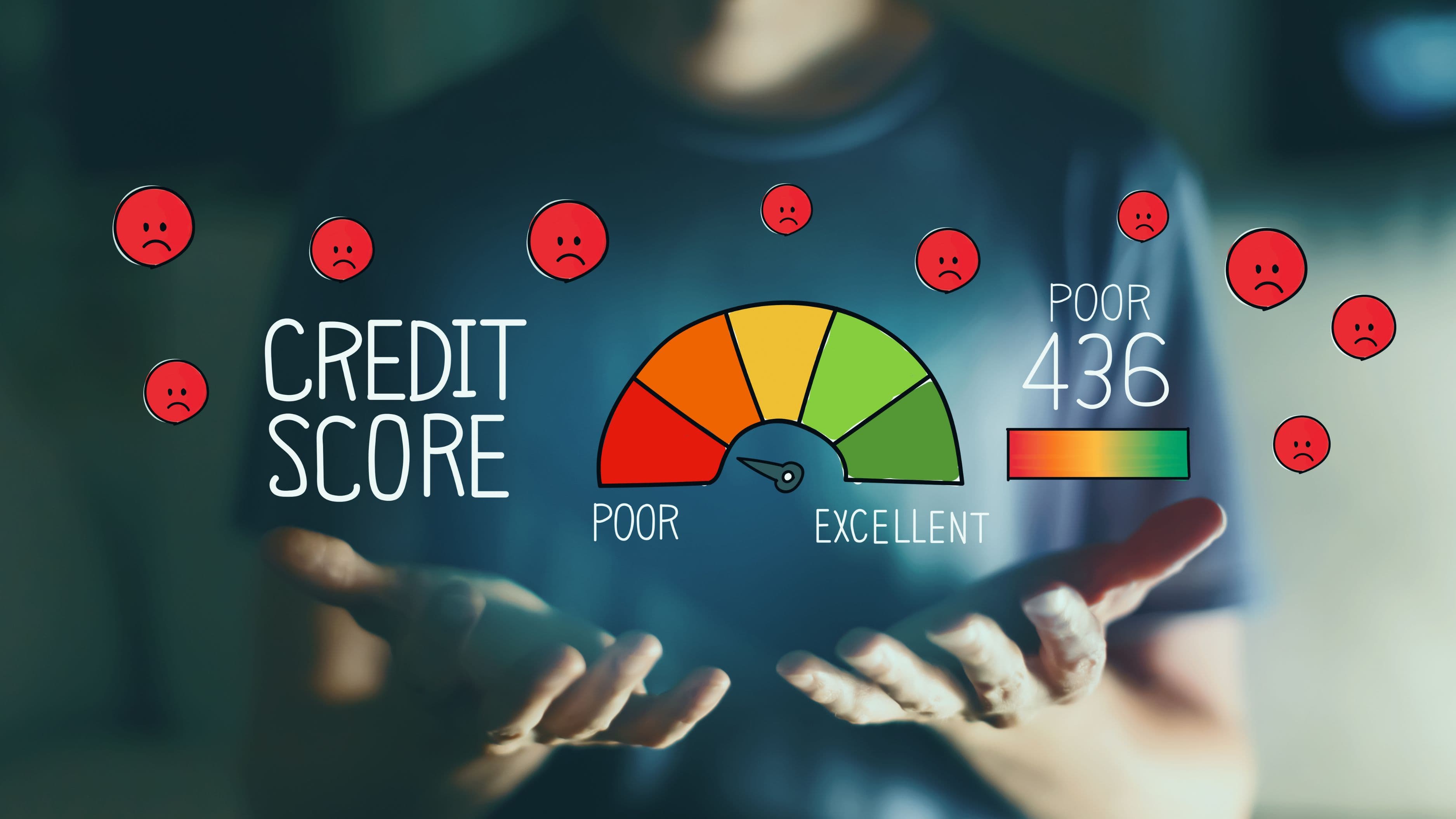
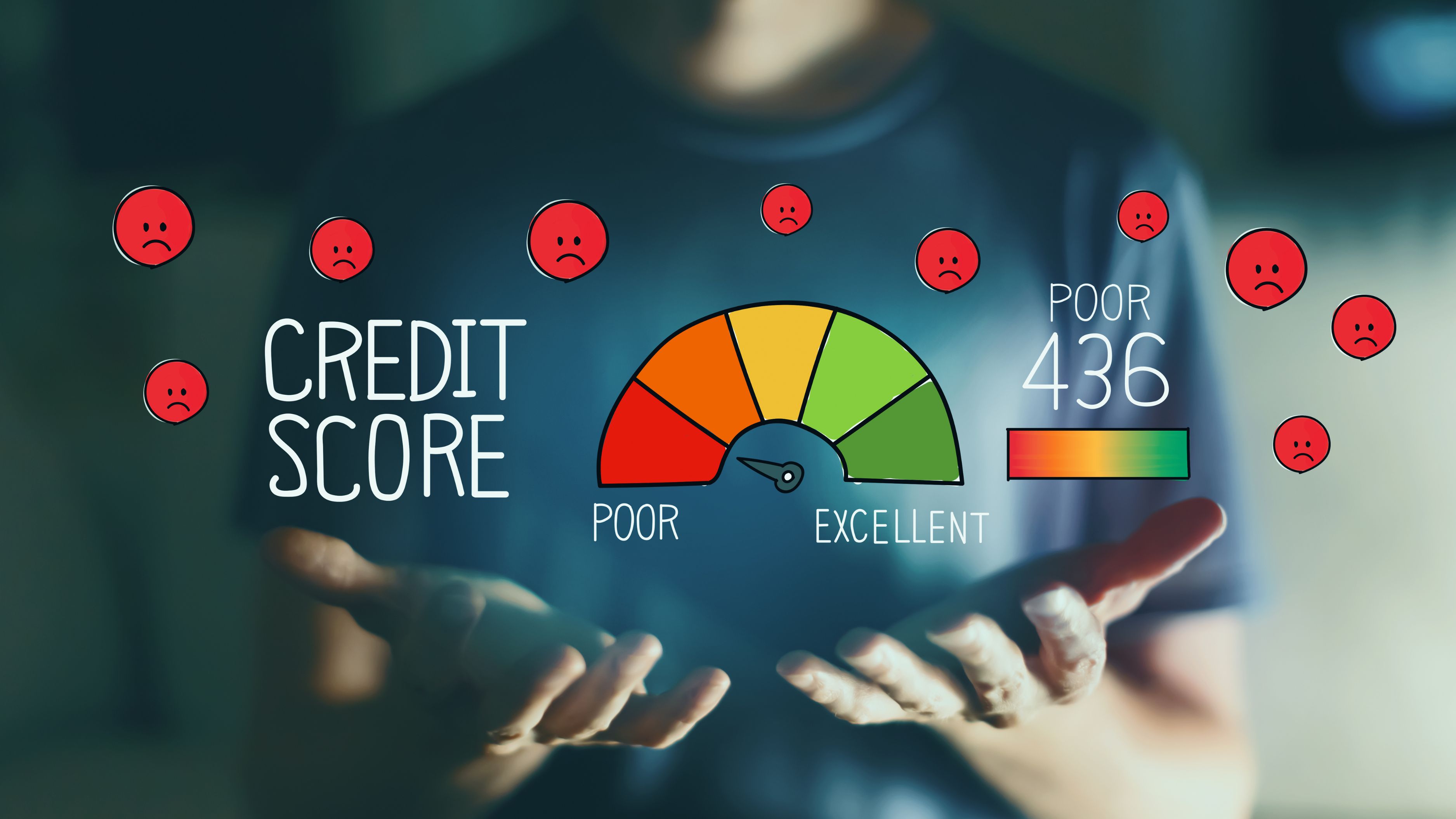
At its core, a credit score simulator is a "what-if" tool. You input a hypothetical scenario – paying down $2,000 of credit card debt, closing an old account, applying for a car loan – and the simulator estimates how that action might affect your credit score.
The basic version of this technology has existed for years. Traditional simulators use rule-based logic derived from published credit scoring guidelines. They know, for example, that credit utilization accounts for roughly 30% of a FICO score, so paying down a balance should reduce utilization and improve the score. They apply these known weights to your current credit profile and project an estimated change.
An AI-powered credit score simulator takes a different approach – or claims to. Instead of applying fixed rules, it uses machine learning models trained on large datasets of real credit behavior and score changes. The idea is that a pattern-trained model can capture more nuance than a rule-based system – for example, recognizing that the impact of paying off a card varies depending on your total account history, the age of the account, what else is on your report, and how lenders in your credit tier have historically responded to similar changes.
Some simulators are now integrated into broader personal finance platforms – Credit Karma, Experian, NerdWallet, and others – where they pull your actual credit report data and run the simulation against your real profile rather than generic assumptions. This personalization is a meaningful improvement over older tools that estimated impacts without any visibility into your actual credit file.
How These Tools Actually Work
To understand the accuracy question, it helps to understand what's actually happening under the hood.
Most credit score simulators – including those marketed as AI-powered – are working with a model of how credit scores behave, not with the actual FICO or VantageScore algorithms themselves. FICO and VantageScore don't publish their exact formulas. What is publicly known is the general category weights: payment history, amounts owed, length of credit history, new credit, and credit mix for FICO. Simulators build models that approximate how changes in these categories affect scores, based on published guidance and observed patterns in large datasets.
The "AI" component typically means the simulator uses a machine learning model trained on data from many users who made similar financial changes, then observed what actually happened to their scores. If 50,000 people with profiles similar to yours paid off a credit card and their scores went up by an average of 22 points, the model learns that pattern and applies it to your simulation. This is more sophisticated than simple rule-based logic, but it's still an approximation of a proprietary algorithm the simulator doesn't have direct access to.
The other important nuance is that most people have multiple credit scores, not one. FICO alone has over 60 versions of its score, and lenders use different versions depending on the loan type. A mortgage lender typically pulls FICO 2, 4, and 5. An auto lender might use FICO Auto Score 8. A credit card issuer might use FICO 8 or 9. The score you see in a simulator – usually FICO 8 or VantageScore 3.0, because those are the versions the data provider licenses for consumer use – may not be the version the lender you're applying to will actually pull. A simulation result based on one scoring model may not predict the impact on the score version that actually matters for your next application.
Where These Simulators Are Genuinely Useful
None of the accuracy limitations mean credit score simulators are useless. They serve a clear and legitimate purpose when used appropriately.
Understanding directional impact. Simulators are reliable for showing you the direction of a change and a rough magnitude. Paying down high utilization will improve your score – the simulator confirms that and gives you an order-of-magnitude sense of how much. Opening several new accounts quickly will likely hurt your score temporarily – the simulator shows you that. These directional insights are valuable even if the exact number the simulator generates isn't perfectly precise.
Prioritizing actions. If you have $1,000 to put toward credit improvement and you're deciding between paying off a small collections account or reducing utilization on your highest-balance card, a simulator can help you estimate which move has more impact. The comparison – which option moves the needle more – is often more reliable than the absolute projected score change.
Planning around credit-sensitive decisions. If you're planning to apply for a mortgage in six months, a simulator can help you model whether you'll be in a better score tier by then if you take specific actions now. Even an approximation is more useful than guessing.
Building financial literacy. For people who are newer to credit management, simulators make abstract scoring concepts concrete. Seeing that your utilization rate has a visible simulated impact helps you understand why keeping balances low matters – in a way that reading an explanation of the 30% weight in FICO scoring might not.
Where the Accuracy Breaks Down
Credit score simulators are consistently less accurate in several specific situations, and knowing these is as important as knowing what they do well.
Thin or damaged credit files. Simulators are trained on large datasets of typical credit behavior. Profiles with very few accounts, short credit history, recent major derogatory events like bankruptcy or foreclosure, or multiple collections behave less predictably than the average-profile data the model learned from. The simulator may give you a projected impact that's meaningfully off because your profile doesn't closely resemble the training data it's drawing on.
Exact score predictions vs. ranges. When a simulator says "paying off this card could raise your score by 15–35 points," the range is the honest version. When it shows a single number – "your score will go up 24 points" – that precision is false confidence. Credit score changes depend on timing within the reporting cycle, which specific account data updates when, and factors in your report that even the simulator may not fully capture. Exact-point predictions should always be read as rough midpoints of a wide range.
The scoring model mismatch problem. The score version simulated may not be the one your target lender will pull. If a mortgage lender pulls FICO 2, 4, and 5 and the simulator shows you a FICO 8 projection, you're looking at different models. The directional change will likely be similar, but the magnitude and your resulting tier could differ meaningfully.
Interactions between multiple changes. If you're planning to pay off two cards, open a new account, and close an old one all at once, the combined effect isn't always the sum of the individual simulated impacts. Credit scoring models apply all factors simultaneously, and complex interactions between changes can produce results that individual-action simulations don't capture well.
How the AI Claim Changes Things – and Doesn't
The addition of machine learning to a credit score simulator does provide real improvements over purely rule-based systems. Personalization to your actual credit file, pattern recognition from large behavioral datasets, and the ability to handle more variables simultaneously are genuine advantages. These tools are meaningfully better than the generic rule-based simulators that existed a decade ago.
But "AI-powered" doesn't mean the simulator has access to the actual FICO algorithm, can guarantee a specific score change, or eliminates the fundamental limitations of modeling a proprietary system from the outside. The term is used loosely in personal finance apps, and the meaningful question isn't whether a simulator uses machine learning – it's whether it pulls from your actual credit report data, which version of your score it's modeling, and how it presents uncertainty (a range vs. a false-precision single number).
A simulator that shows a range and is transparent about which scoring model it's using is more trustworthy than one that outputs a single precise number without context, regardless of what either one says about its underlying technology.
How to Use One Responsibly
If you're going to use a credit score simulator – and they can be genuinely helpful when used correctly – a few practical guidelines make the experience more useful.
Use it for direction, not precision. The directional insight (this action improves your score, that action hurts it temporarily) is reliable. The specific point change is an estimate worth treating with appropriate skepticism.
Check which score version is being modeled. Look for disclosure of whether the simulator is showing you FICO 8, VantageScore 3.0, or another version. If you're preparing for a specific loan application, find out which score version that lender uses – your bank, credit union, or mortgage lender can typically tell you.
Run scenarios in the context of your actual goal. If you're preparing for a mortgage, simulate the changes that move you into a better FICO range for that loan type. If you're focused on a credit card application, simulate against the score version card issuers typically use.
Don't make major financial decisions based solely on simulator output. Using a simulator to decide which of two credit cards to pay off first is a reasonable, low-stakes application. Using one to decide whether to buy a house next month or delay six months – and treating the simulated score as a reliable forecast – is putting more weight on the tool than it can reliably bear.
FAQ
Are AI credit score simulators available for free? Yes – most major personal finance platforms offer them at no cost. Credit Karma, Experian's CreditWorks, NerdWallet, and Capital One's CreditWise all include some form of credit score simulation alongside free credit monitoring. Features and the underlying scoring model vary by platform.
Will using a credit score simulator affect my actual credit score? No. Simulators work with your existing credit data and run projections internally – they don't submit any new inquiries or applications to the credit bureaus. Running a simulation has no impact on your score.
Can a simulator tell me exactly when my score will improve? Not reliably. Score changes depend on when creditors report updated balances and payment status to the bureaus, which typically happens monthly but on different cycles for different accounts. A simulator can show you projected impact but not the precise timing within a reporting cycle.
What's the difference between FICO and VantageScore simulations? FICO and VantageScore are different scoring models created by different companies. They use similar input data but weight factors differently and can produce scores that diverge by 10–30 points or more for the same individual. Many simulators use VantageScore because it's more widely licensed for consumer-facing tools; FICO scores require a separate license. Knowing which model your simulator uses tells you which type of lender decisions it's most relevant to.
Is it worth paying for a more advanced simulator? Some credit monitoring services include more detailed simulation features in paid tiers. The upgrade is worth considering if you're actively managing credit for a specific near-term goal – like a mortgage application – and want more granular scenario modeling. For general awareness, the free versions available through major platforms are sufficient for most people.
📚 Sources
CFPB – Understanding Your Credit Reports and Scores: https://www.consumerfinance.gov/consumer-tools/credit-reports-and-scores/
FICO – What's in Your FICO Score: https://www.myfico.com/credit-education/whats-in-your-credit-score
VantageScore – How VantageScore Works: https://vantagescore.com/consumers/how-vantagescore-works/
Experian – What Is a Credit Score Simulator: https://www.experian.com/blogs/ask-experian/what-is-a-credit-score-simulator/
CFPB – Credit Score Differences Across Models: https://www.consumerfinance.gov/about-us/blog/credit-score-differences/