


What's Actually New Here
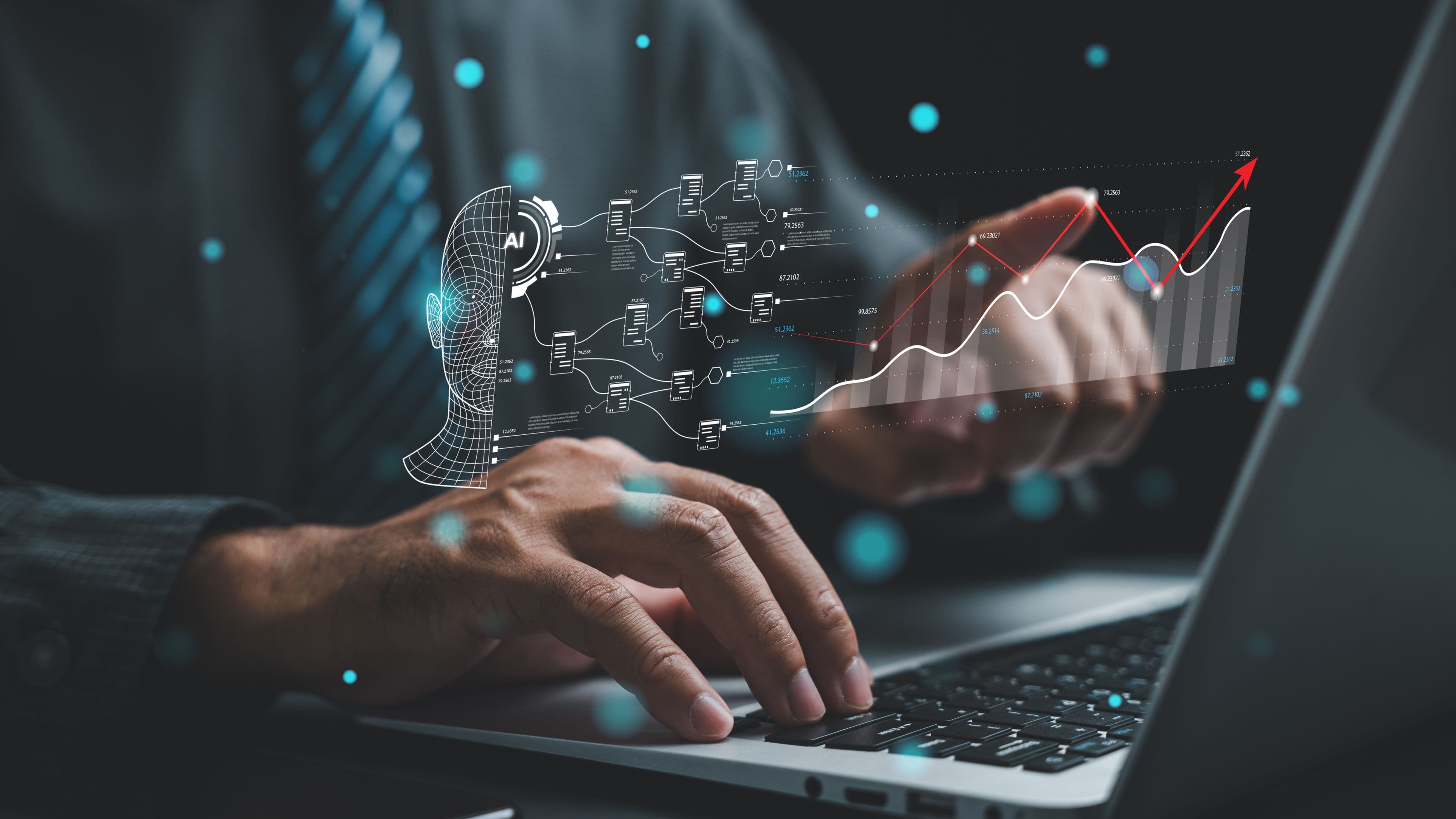
Budgeting apps have existed for years, letting people connect accounts and see spending categorized automatically. What AI adds isn't the categorization itself, it's the ability to spot patterns and make predictions a static budget can't. Instead of just showing you spent $340 on groceries last month, an AI-powered finance tool can flag that your grocery spending has crept up 15% over three months, predict that your account balance is likely to dip below a safe threshold before your next paycheck based on your actual bill timing, or recommend a specific savings amount based on your real income volatility rather than a generic rule of thumb.
Think of it like the difference between a fitness tracker that just counts your steps and one that notices your sleep has been getting worse and connects it to your stress levels. The data was always there. AI's contribution is turning raw numbers into something you can actually act on before a problem hits.
Predictive Cash Flow Tools
One of the more practical applications is predictive cash flow forecasting. These tools analyze your actual transaction history, including recurring bills, irregular income if you're a freelancer or gig worker, and seasonal spending patterns, to forecast your account balance days or weeks ahead rather than just showing your current balance. For someone with irregular income, this is a genuinely different kind of visibility than a traditional budget provides, since it accounts for the reality that income doesn't arrive in tidy, predictable amounts.
A real-world example: a freelance graphic designer using one of these tools might get an alert three weeks before a slow month hits, based on the tool recognizing a pattern in past project timing, giving her time to adjust spending or line up work rather than discovering the shortfall when a bill is already due.
Automated "Safe to Save" Recommendations
Several apps now use AI to analyze your spending patterns and automatically move small, variable amounts into savings on days it determines you have genuine surplus, rather than a fixed amount on a fixed schedule that might not match your actual cash flow. This approach tends to work better for people whose income or expenses fluctuate, since a rigid weekly transfer can either overdraw an account in a tight week or leave money on the table in a flush one.
It's worth being clear about the limitation here: this kind of tool is only as good as the transaction history it's analyzing. Someone whose spending patterns are about to change significantly, due to a new job, a move, or a major life event, won't get accurate recommendations until the tool has enough new data to recognize the shift.
AI-Assisted Emergency Fund Goal-Setting
Traditional advice suggests saving three to six months of expenses, a number that doesn't account for your specific situation, like job stability, industry volatility, or whether you have other household income to fall back on. Some newer tools use your actual expense data and income pattern to suggest a more personalized target, adjusting the recommendation as your situation changes rather than leaving you with a static number set once and never revisited.
This matters because a generic three-to-six-month target can either feel unreachable and discouraging for someone in a tight financial position, or insufficiently cautious for someone in a genuinely unstable income situation, like commission-based sales or seasonal work.
Fraud and Anomaly Detection as Emergency Prevention
It's easy to overlook, but AI-powered fraud detection is itself a form of emergency preparedness. Banks and fintech apps increasingly use machine learning models to flag unusual transactions in real time, often catching fraudulent charges before they compound into a larger financial hole. A flagged and reversed fraudulent charge is, in a very real sense, an emergency avoided rather than managed after the fact.
The Real Limitations to Keep in Mind
None of these tools replace the fundamentals. AI can help you see patterns and act on them faster, but it can't create money you don't have, and it can't substitute for reducing expenses or increasing income if your underlying financial situation doesn't support the savings target it recommends. There's also a real risk of over-reliance: automated "safe to save" features work well until an unusual month, like an unexpected trip or a big one-time expense, confuses the pattern recognition and produces a recommendation that doesn't actually fit your situation.
Privacy is worth a mention too. These tools work by analyzing detailed transaction data, which means it's worth understanding what a given app does with that data, whether it's sold to third parties, and how account connections are secured, before linking your primary bank accounts.
Practical Ways to Use These Tools
Start with a tool that connects to your existing accounts rather than requiring manual entry, since consistency of data is what makes the AI recommendations meaningful. Give it a few months of real transaction history before trusting its predictions closely, since these tools improve as they learn your actual patterns. And treat AI-generated savings targets and cash flow forecasts as a starting point for your own judgment, not a final answer, especially around major life changes the tool hasn't seen yet.
What to Avoid
Don't link financial accounts to a tool without checking its data privacy practices first. Don't treat an AI savings recommendation as fixed if your income or expenses are about to change significantly. And don't rely solely on automated tools without occasionally reviewing your full financial picture yourself, since even good predictive tools can miss context a human review would catch.
This article is for general informational purposes and does not constitute personalized financial advice. Results from any budgeting or savings tool vary by individual circumstances, and there are no guaranteed outcomes.
📚 Sources
Consumer Financial Protection Bureau, "Emergency Savings" – https://www.consumerfinance.gov/consumer-tools/save-and-invest/
Federal Reserve, "Report on the Economic Well-Being of U.S. Households" – https://www.federalreserve.gov/publications/report-economic-well-being-us-households.htm
FDIC, "Consumer News: Using Fintech Apps Safely" – https://www.fdic.gov/resources/consumers/