What It Is
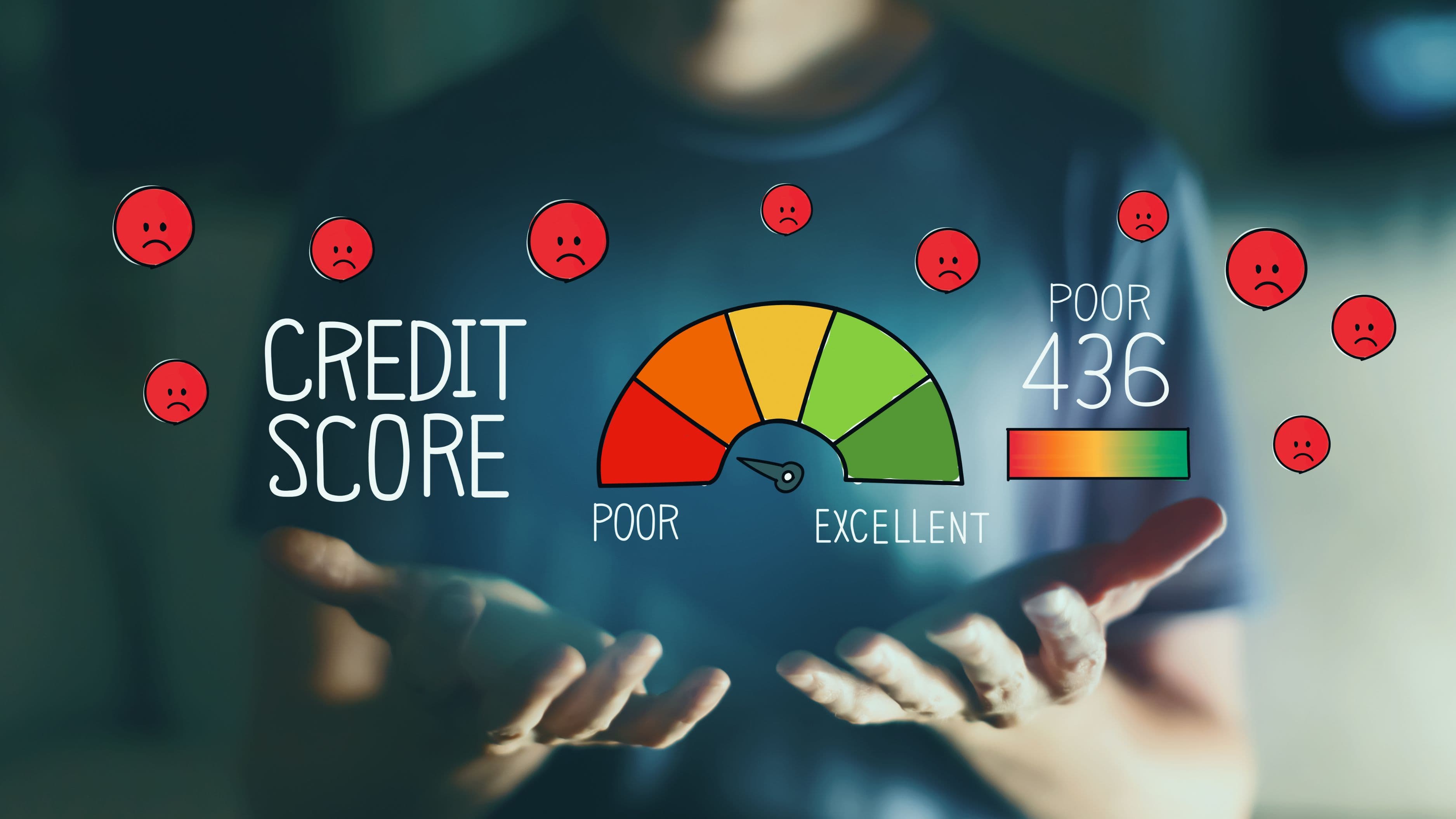
A financial health score is a broader measure than a traditional credit score, designed to reflect your overall financial wellbeing rather than just your borrowing and repayment history. Instead of focusing narrowly on debt and credit utilization the way a credit score does, a financial health score typically factors in savings habits, spending patterns, income stability, emergency fund coverage, and debt-to-income ratio, aiming to answer a broader question: how financially resilient are you day to day, not just how likely are you to repay a loan.
Several major banks and fintech apps have rolled out their own versions of this score, often branded differently but built on a similar underlying idea, pulling together a wider set of financial behaviors than a credit bureau typically tracks.
How AI Calculates It
The process usually starts with your linked account data – checking, savings, and sometimes credit card and loan accounts – which the AI model analyzes for patterns over time rather than a single snapshot. It looks at things like how consistently you're saving a portion of your income, whether your spending regularly exceeds your income in a given month, how much of an emergency cushion you have relative to your monthly expenses, and how your debt payments compare to your overall income.
Machine learning models are particularly useful here because they can weigh dozens of these variables simultaneously and adjust the relative importance of each based on patterns learned from large sets of anonymized financial data, rather than applying a single fixed formula to everyone. That's part of why two people with similar credit scores can end up with fairly different financial health scores – the AI model is picking up on savings consistency, spending volatility, or income stability that a traditional credit score doesn't directly measure.
Why It Matters
For everyday users, a financial health score offers a more complete picture of financial standing than a credit score alone provides. Someone with an excellent credit score built entirely on a couple of well-managed credit cards might still have very little in savings and no real cushion for an unexpected expense, a gap a financial health score is specifically designed to surface.
This matters practically because it can highlight blind spots before they become urgent problems. A declining financial health score, even with a stable credit score, can be an early signal that spending has crept up relative to income or that an emergency fund has been depleted, giving you a chance to adjust before it turns into missed payments or high-interest debt.
Real-World Example
Consider someone using a budgeting app that shows a financial health score dropping over a few months, even though their credit score has stayed flat. Digging into the score's breakdown might reveal that their savings rate has fallen close to zero and their emergency fund now covers less than two weeks of expenses, both signals a credit score alone wouldn't have flagged, since credit scores don't directly measure either variable.
Risks and Limitations
Financial health scores aren't standardized the way credit scores are – there's no single industry-wide formula, which means the same financial situation can produce noticeably different scores depending on which app or bank is calculating it. It's worth treating any individual app's score as directionally useful rather than an objective, universal measure.
These scores also depend heavily on the accuracy and completeness of the linked account data. If you have significant financial accounts that aren't connected to the app calculating your score – a separate savings account at another bank, for example – the resulting score may not reflect your full financial picture, potentially painting a less accurate picture than intended.
FAQ
Is a financial health score the same as a credit score? No. A credit score focuses specifically on borrowing and repayment history, while a financial health score incorporates a broader set of factors including savings, spending patterns, and income stability.
Does a financial health score affect my ability to get a loan? Generally not directly, since lenders still primarily rely on traditional credit scores and reports for lending decisions. Financial health scores are mostly a self-monitoring tool rather than something shared with or used by lenders.
Can I improve my financial health score quickly? Improvements tend to build gradually, since the score reflects patterns over time rather than a single data point. Building a consistent savings habit and reducing month-to-month spending volatility are common ways to see steady improvement.
📚 Sources
Financial Health Network – Financial Health Score methodology – https://finhealthnetwork.org/financial-health-score/
Consumer Financial Protection Bureau – financial well-being resources – https://www.consumerfinance.gov/consumer-tools/financial-well-being/
FDIC – financial capability and household resilience research – https://www.fdic.gov/analysis/household-survey/