


What's Actually Changing
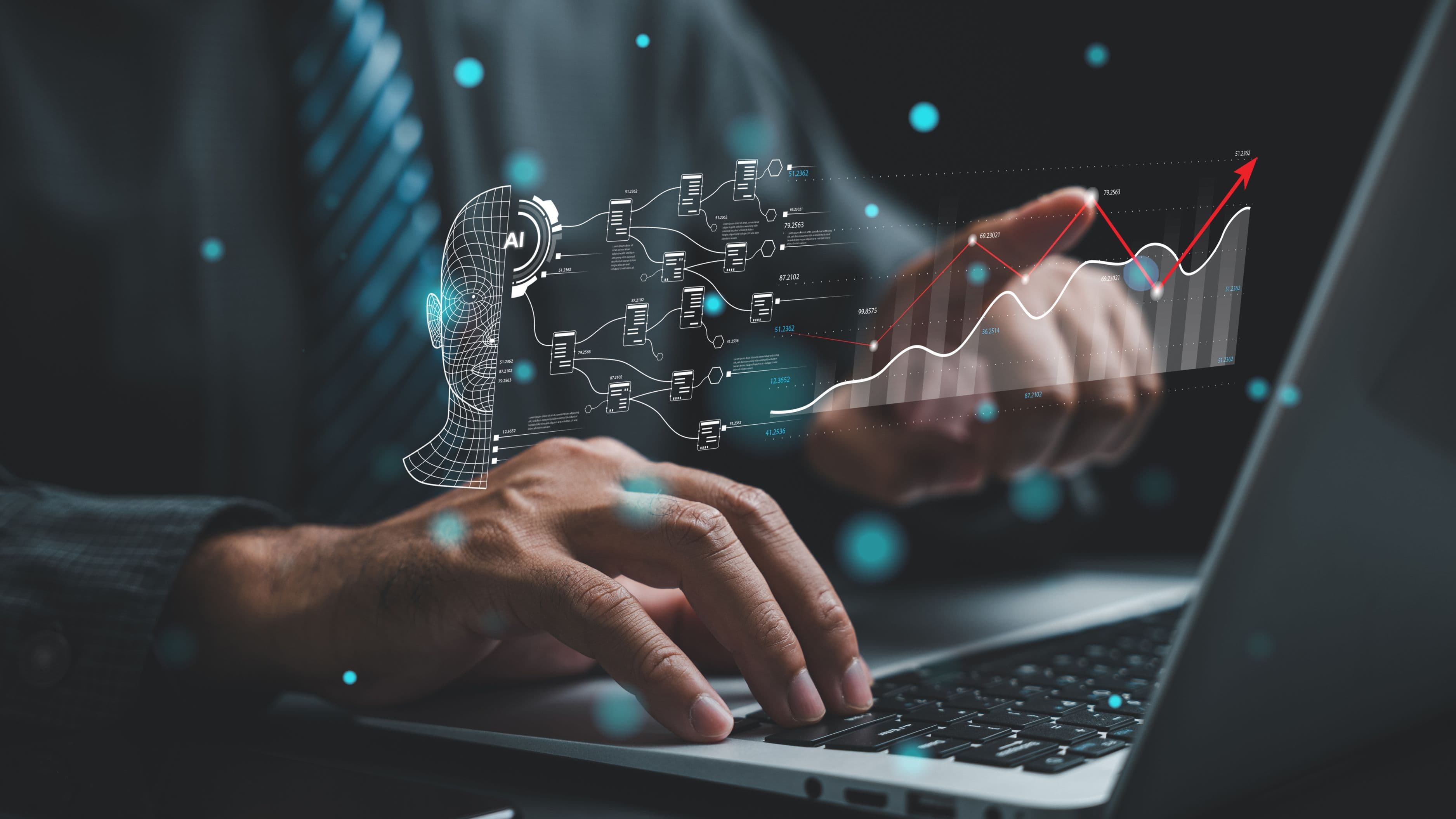
Forensic accounting investigations involve reviewing large volumes of financial data, transaction records, invoices, expense reports, journal entries, looking for anomalies that suggest something isn't right. AI-powered tools now handle a significant share of this initial pattern detection, using machine learning models trained on historical fraud cases to flag transactions that deviate from normal patterns in ways that warrant closer human review.
This shift doesn't replace the forensic accountant's role, it changes where their time gets spent. Instead of manually reviewing thousands of transactions hoping to spot something unusual, investigators increasingly start with a shortlist of AI-flagged anomalies and apply their professional judgment to determine which flags represent genuine concerns versus false positives caused by legitimate, unusual-but-explainable business activity.
Why It Matters: Speed and Scale
A traditional forensic accounting review of a mid-sized company's financials might reasonably cover a sample of transactions rather than every single one, simply because reviewing everything manually isn't practical within reasonable time and cost constraints. AI tools remove much of this sampling limitation, since they can process entire transaction datasets rather than a representative subset, meaning fraud patterns that might have existed in the portion of records that wasn't manually sampled are now far more likely to surface.
This matters directly for the people and companies relying on these investigations, whether that's a company's board investigating a suspected internal fraud, an auditor assessing financial statement integrity, or a court relying on forensic findings in a legal dispute. More comprehensive data coverage generally means fewer cases where fraud goes undetected simply because it fell outside a manual review's sample size.
Real-World Example: How This Plays Out
Consider a mid-sized company's expense reimbursement system, where an employee has been submitting slightly inflated expense claims over several years, each individual claim small enough to avoid drawing attention on its own. A manual review sampling a portion of expense reports across that period might reasonably miss this pattern entirely, since no single flagged transaction looks alarming in isolation. An AI system reviewing the complete dataset can identify the statistical pattern across hundreds of small, individually unremarkable transactions, flagging the account for human review based on the cumulative deviation from typical expense patterns across the full dataset, something a sample-based manual review would likely never catch.
Benefits Beyond Speed
AI tools used in forensic accounting can also cross-reference data across multiple sources more efficiently than manual review allows, comparing vendor payment records against vendor registration data, or matching expense claims against travel and calendar records, surfacing inconsistencies that require correlating multiple data sources simultaneously, a task that's genuinely difficult to do manually at scale but well suited to automated pattern matching across large datasets.
Limitations and Risks Worth Understanding
AI-flagged anomalies are not proof of fraud, and treating them as such without proper human investigation risks unfairly implicating employees or transactions that have a legitimate, if unusual, explanation. Forensic accounting fundamentally requires human judgment to interpret context, intent, and legal standards of evidence, none of which an AI model can reliably assess on its own. There's also a risk that AI models trained primarily on historical fraud patterns may be less effective at identifying genuinely novel fraud schemes that don't closely resemble past cases, which is part of why experienced human oversight remains essential rather than optional in this field.
What to Watch Next
Expect forensic accounting firms and internal audit departments to continue expanding their use of AI-driven anomaly detection as these tools mature, alongside growing professional standards and guidance around how AI-flagged findings should be documented and presented as part of a broader, human-reviewed investigation rather than as standalone conclusions. For businesses, this trend reinforces that stronger, AI-assisted internal controls are becoming more accessible even for mid-sized companies that previously couldn't afford extensive manual forensic review processes.
FAQ
Can AI alone detect financial fraud without human involvement? No. AI tools are effective at flagging anomalies and patterns worth investigating, but determining whether a flagged transaction actually represents fraud requires human judgment, context, and often legal expertise.
Does AI-assisted forensic accounting make investigations faster? Generally yes, since AI can review complete datasets rather than a sample, and can process large volumes of data far faster than manual review, though the human investigation phase that follows still takes time to complete properly.
Is AI-based forensic accounting only for large companies? While large companies were early adopters, these tools have become increasingly accessible to small and mid-sized businesses as costs have decreased and platforms have become more user-friendly.
📚 Sources
Association of Certified Fraud Examiners, "Technology in Fraud Detection" – acfe.com
Journal of Accountancy, "AI's Role in Forensic Accounting" – journalofaccountancy.com