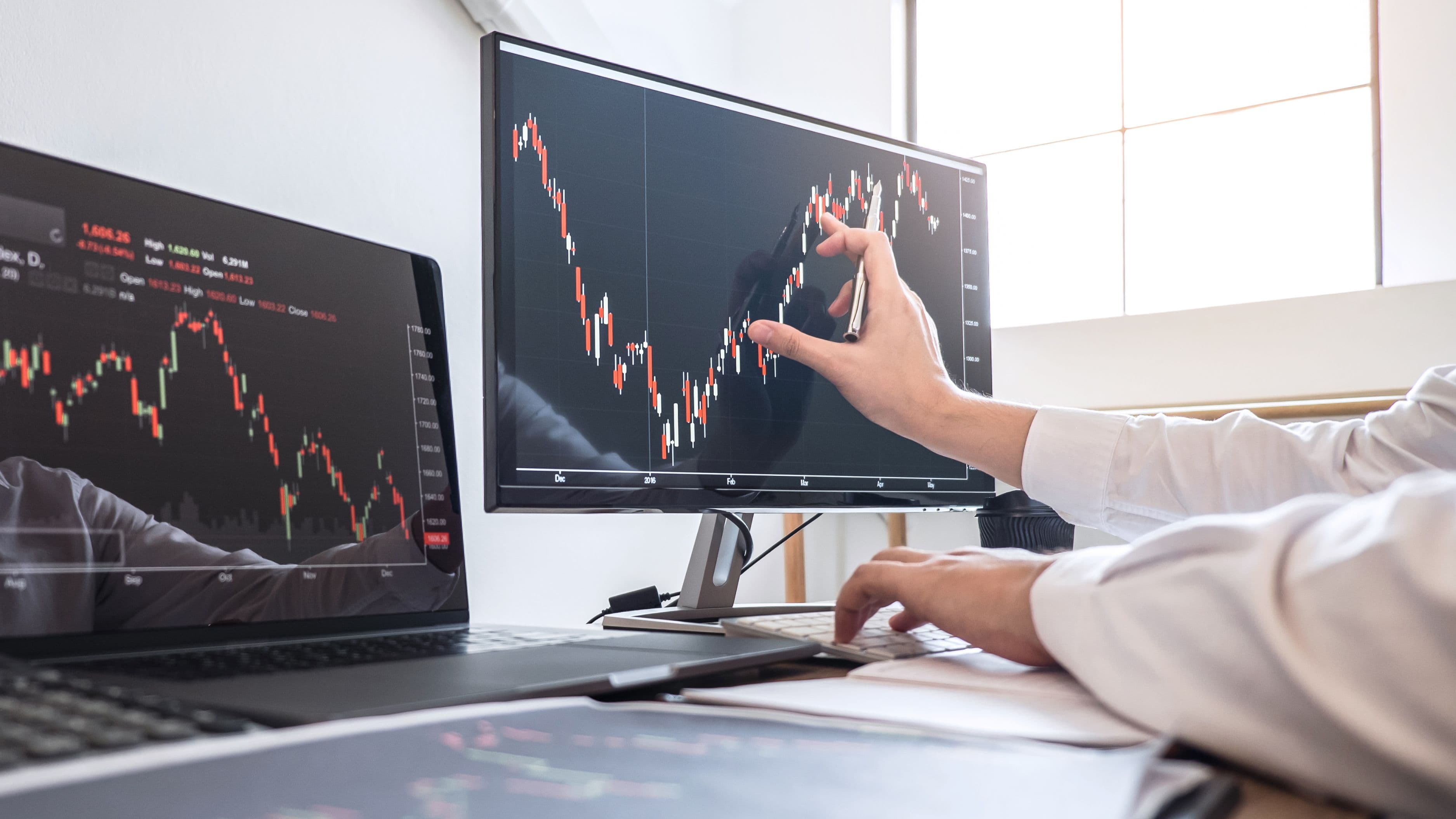
This shift is changing what "being a stock analyst" actually means day to day, and understanding it matters whether you're a professional in the field, an investor relying on analyst research, or someone just curious about how modern finance actually works behind the scenes.
What Analysts Used to Spend Most of Their Time Doing
Traditionally, a large chunk of an analyst's week went into data gathering and processing: reading through earnings calls, extracting numbers from financial statements, building and updating spreadsheet models, and tracking down comparable company data. This work was necessary but largely mechanical, and it consumed hours that could otherwise go toward the harder, more valuable work of forming an actual investment view.
The skill that separated great analysts from average ones was rarely the data collection itself, but rather what they did with the data once they had it – spotting patterns, understanding management's incentives, and forming a differentiated view of where a business was headed.
How AI Tools Are Changing the Day-to-Day Work
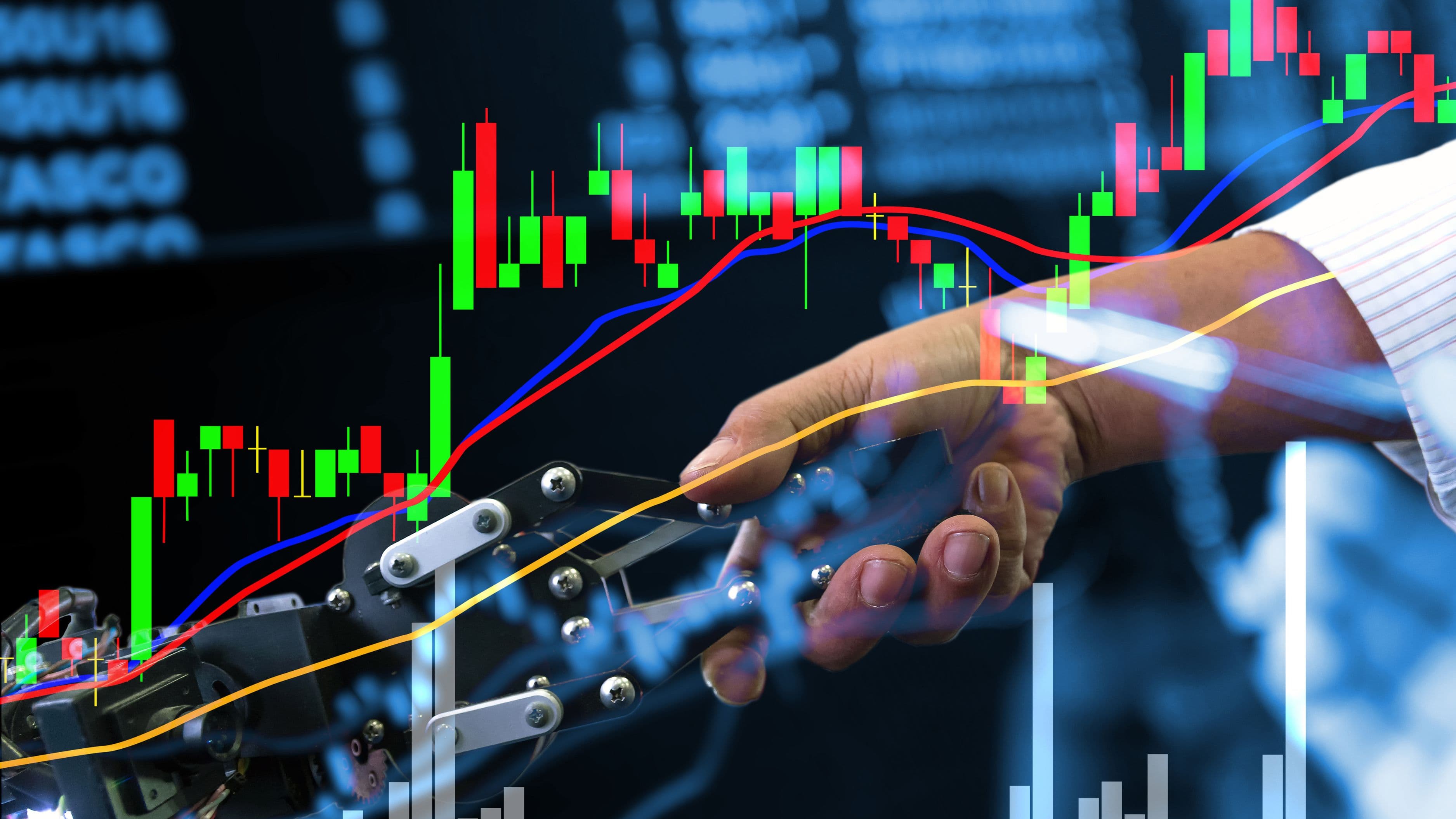
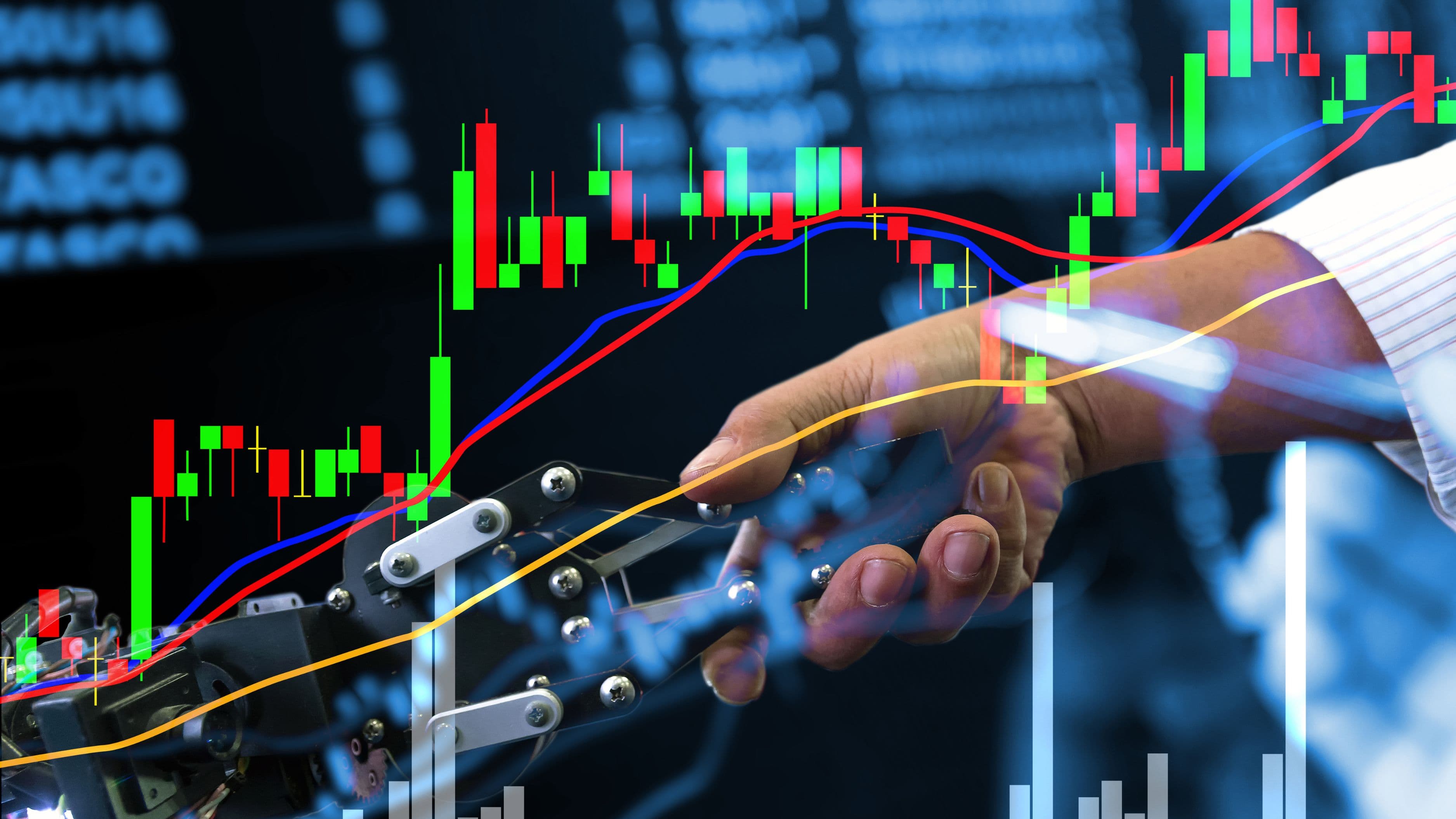
AI-powered research platforms can now scan earnings call transcripts and flag sentiment shifts in management's tone, pull structured data directly from filings without manual entry, and generate draft summaries of complex financial statements in seconds rather than hours. Natural language processing tools can scan thousands of news articles and social media mentions to detect early signals about a company's reputation or emerging risks that a human analyst covering dozens of companies might otherwise miss.
For a concrete example, imagine a company releases a surprise earnings report at 4pm. An AI system can parse the filing, compare it against consensus estimates, flag the specific line items that moved most compared to expectations, and surface historical patterns of how the stock reacted to similar surprises in the past, all before a human analyst has finished reading the press release.
Why This Matters for the Analyst's Actual Job
This shift doesn't eliminate the need for analysts, it changes what they're valued for. As the mechanical, time-consuming parts of data gathering and initial processing get automated, the remaining work increasingly centers on judgment: interpreting ambiguous signals, understanding qualitative factors AI struggles to weigh properly, and communicating a clear investment thesis to clients or portfolio managers.
Analysts who lean into this shift are spending more time on scenario analysis, talking to industry contacts, and forming genuinely differentiated views, since the commoditized data-processing work is no longer where they can add unique value. Those who resist adapting risk becoming less competitive compared to peers using these tools to cover more ground with the same amount of time.
The Real Risks and Limitations
AI tools are genuinely useful for pattern recognition and processing large volumes of information quickly, but they still struggle with nuanced judgment calls that depend on context AI systems don't fully grasp, like understanding unstated motivations behind a management decision or weighing qualitative industry relationships that don't show up cleanly in data. Over-reliance on AI-generated summaries without independently verifying key details can also introduce errors if the underlying model misinterprets ambiguous language in a filing or transcript.
There's also a broader risk of analysts across an industry converging on similar AI-generated insights, potentially reducing the diversity of independent thought that has traditionally been valuable in markets where differentiated views create opportunity.
What This Means for Everyday Investors
If you rely on analyst research or ratings when making investment decisions, it's worth understanding that the process behind those reports is shifting. Reports may increasingly reflect a combination of AI-assisted data processing and human judgment, rather than research built entirely from scratch by a human analyst. This isn't necessarily a negative for the quality of research, since offloading mechanical work can free analysts to spend more time on genuine analysis, but it's a shift worth being aware of when evaluating how much weight to give any single analyst's report.
What to Watch Next
Expect AI tools in equity research to keep expanding beyond data processing into more predictive territory, like flagging early warning signs in a company's language patterns across multiple earnings calls over time. How firms balance this automation with maintaining genuinely independent human judgment will likely shape which research teams stay most valuable to clients and investors in the years ahead.
FAQ
Are AI tools replacing human stock analysts entirely? Not currently. AI is automating the mechanical, data-processing parts of the job, while judgment-heavy work like forming an investment thesis still relies heavily on human analysts.
Can I trust AI-generated stock analysis on its own? It's best used as one input alongside other research, since AI tools can misinterpret nuanced language or lack the context a human analyst brings to a specific situation.
How is AI used in reading earnings call transcripts? AI tools can process transcripts quickly to flag sentiment shifts, tone changes, and specific keywords, helping analysts prioritize which parts of a lengthy call deserve closer manual review.
📚 Sources
Artificial Intelligence and Financial Analysis, cfainstitute.org
How AI Is Changing Equity Research, sec.gov
Natural Language Processing in Finance, ncbi.nlm.nih.gov