What It Is
Rent-reporting and alternative credit-scoring tools use AI to pull together financial activity that traditional credit bureaus have historically ignored, rent payments, utility bills, phone bills, and even bank account cash flow, and turn it into something that functions like a credit history. Instead of requiring you to open a credit card and use it responsibly for years, these tools identify patterns in payments you're already making and translate them into a format the major credit bureaus can actually use.
Companies in this space, including services like Experian Boost, Piñata, Esusu, and RentTrack, work in slightly different ways, but they share a common core mechanic: connecting to your bank account or property management system, verifying that rent or bill payments were made on time, and reporting that data to one or more of the three major credit bureaus, Experian, Equifax, and TransUnion.
How It Works
The AI component isn't just automation for its own sake, it's doing real analytical work. When these platforms connect to your bank account, they need to distinguish an actual rent payment from a similarly sized transfer to a roommate or a one-time large purchase, and they need to do that automatically across millions of users with different bank formats, memo lines, and payment habits. Machine learning models trained on transaction patterns handle this categorization, flagging likely rent payments with enough confidence to report them accurately, without requiring a human to manually review every transaction.
Some newer platforms go a step further, using AI to build a more complete financial behavior profile beyond a single payment type, looking at consistency of income deposits, how close to the due date bills typically get paid, and overall account stability, to generate an alternative score or a report that a lender who accepts alternative data can consider alongside, or sometimes instead of, a traditional FICO score.
Why It Matters
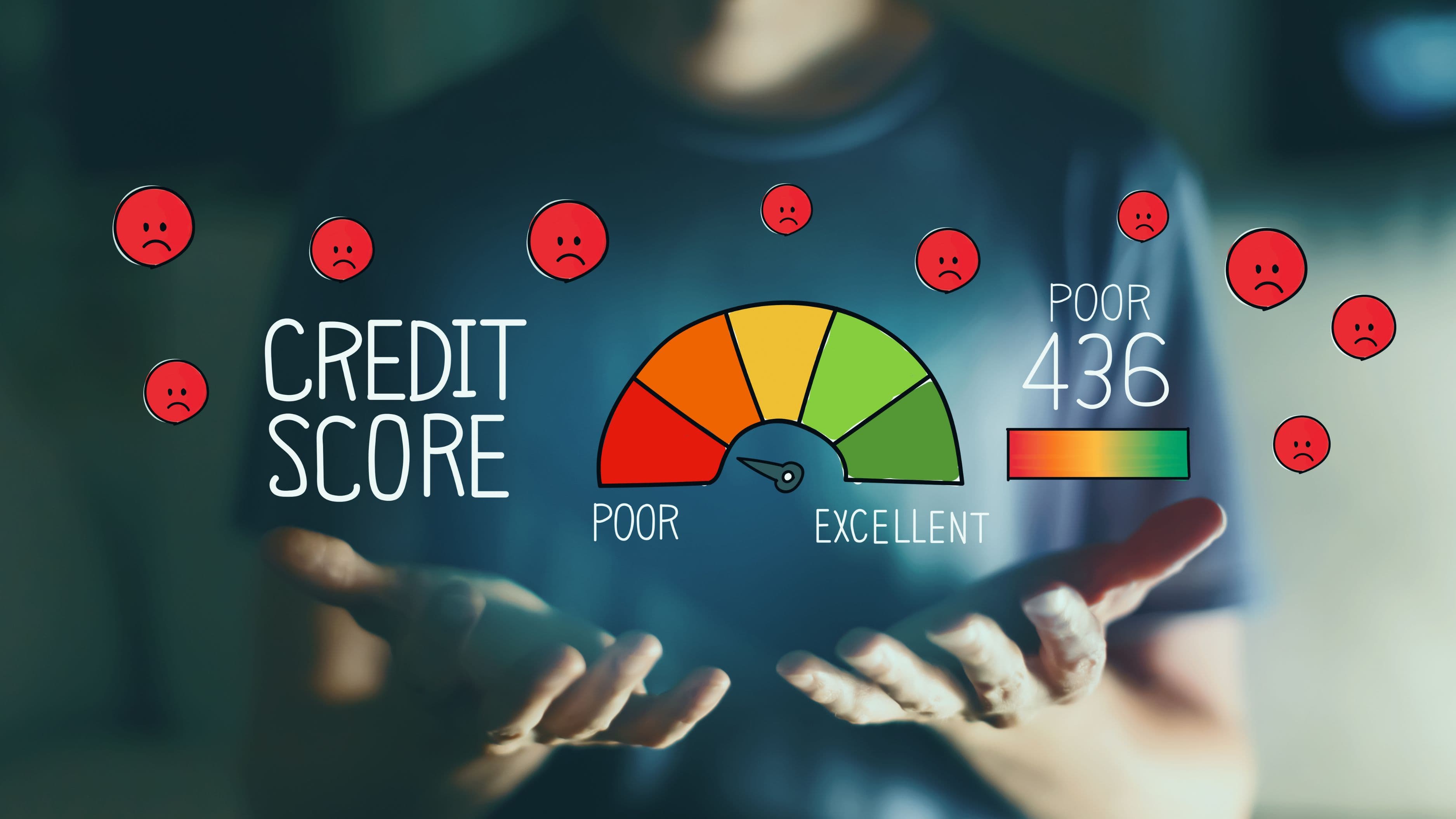
For the roughly one in five adults with insufficient credit history to generate a reliable score, sometimes called being "credit invisible," this matters in a very concrete way: it turns a bill you're already paying into evidence of financial responsibility, without requiring you to take on debt through a credit card just to build a track record. That's a meaningful shift, since the traditional path to building credit has historically required using credit, an odd catch-22 for people who are managing their money well but simply don't carry debt.
It also matters for landlords and property managers, some of whom now offer rent reporting as a built-in perk specifically because tenants increasingly ask for it, recognizing that helping tenants build credit can be a genuine differentiator in a competitive rental market.
Real-World Example
Imagine a renter who has never had a credit card but has paid $1,800 in rent on time every month for the past two years. Without rent reporting, none of that consistency exists on paper as far as a lender is concerned. Enrolling in a service like Piñata or Esusu retroactively reports up to two years of verified past rent payment history in some cases, meaning that renter's credit report can show two years of positive payment history almost immediately after signing up, rather than starting from zero and waiting months to build it going forward.
Limitations and Risks
Not all three credit bureaus accept every rent-reporting service equally, and some services report to only one or two bureaus rather than all three, meaning the credit benefit may not show up uniformly everywhere a lender checks. It's worth confirming exactly which bureaus a specific service reports to before assuming the benefit is universal.
There's also a cost consideration: some rent-reporting services are free to tenants because the property manager covers the cost, while others charge the renter a monthly fee, typically in the $5 to $10 range, which is worth weighing against the actual credit benefit for your specific situation. And it's worth understanding that reporting a missed or late rent payment can also show up negatively, meaning this isn't a one-directional benefit; consistent on-time payment is what makes it worthwhile.
Finally, alternative credit data isn't yet universally accepted by every lender. While major players like FICO have developed scoring models, including FICO Score 9 and later versions, that factor in rent and utility payment history, not every lender uses these newer scoring models, so the practical benefit can vary depending on who's pulling your credit.
What to Watch Next
Regulatory attention on alternative credit data is increasing, with the Consumer Financial Protection Bureau examining how alternative data models affect credit access, particularly for renters and people with thin credit files. As more lenders adopt scoring models that incorporate this data, and as rent-reporting services become a more standard offering from property management platforms, the gap between renters and credit-card holders in building credit history is likely to keep narrowing.
FAQ
Do I need my landlord's permission to use a rent-reporting service? It depends on the service. Some connect directly to your bank account and verify payments independently, requiring no landlord involvement, while others require landlord or property manager participation to confirm payment records.
Will rent reporting hurt my credit if I've missed a payment in the past? Most services only report going forward from enrollment, or in some cases a limited retroactive window of on-time payments, rather than pulling your entire payment history including past missed payments, but it's worth confirming the specific service's policy before enrolling.
Is rent reporting the same as a credit-builder loan? No. A credit-builder loan is a separate financial product where you make payments into a locked savings account that get reported to credit bureaus, while rent reporting simply reports payments you're already making on an existing obligation.
Outro
Building credit without a credit card used to mean waiting years for the traditional system to catch up with your actual financial responsibility. AI-driven rent and bill reporting tools are closing that gap by turning payments you're already making into something the credit system recognizes, though it's still worth checking which bureaus a given service reports to and what it costs before signing up.
📚 Sources
Consumer Financial Protection Bureau – Rental Payment Data and Credit Reporting. https://www.consumerfinance.gov/rules-policy/rulemaking/rental-payment-data/
FICO – Understanding FICO Scores. https://www.myfico.com/credit-education/credit-scores