What Backtesting Actually Is
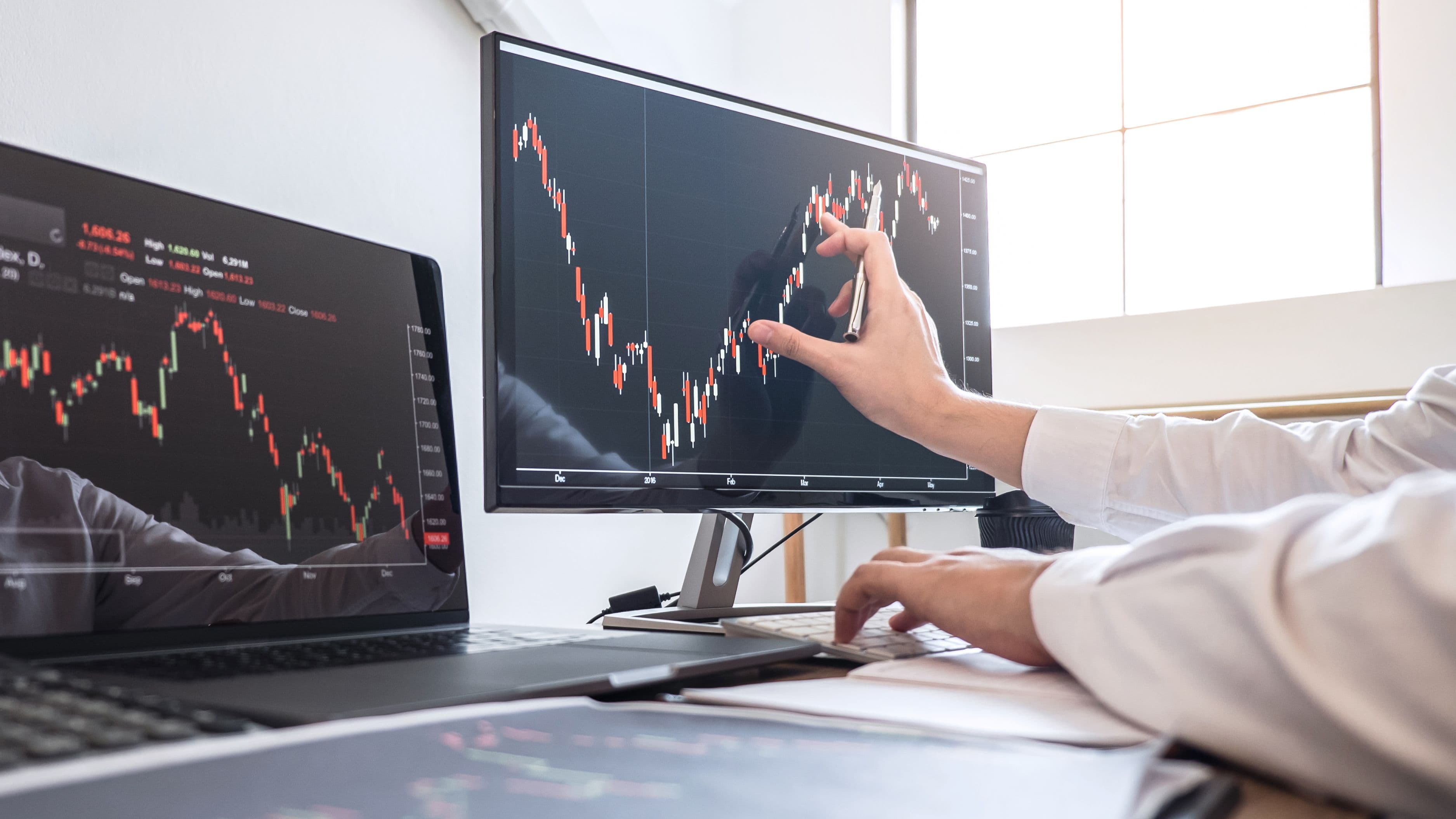
Backtesting means running a trading or investing strategy against historical market data to see how it would have performed if you'd used it in the past. Instead of guessing whether an idea might work, backtesting gives you a data-driven estimate based on what actually happened in real markets, across specific time periods, market conditions, and asset types.
Think of it like a flight simulator for investment strategies. You're testing the "flight" – the strategy's rules for buying and selling – against real historical conditions before ever putting real capital behind it. It doesn't guarantee the strategy will work the same way going forward, but it gives you a meaningfully better starting point than pure intuition.
How AI Systems Do This Differently Than Traditional Backtesting
Traditional backtesting, done manually or with basic spreadsheet tools, typically tests a single, clearly defined strategy against a fixed dataset – for example, checking how a "buy the dip" rule would have performed on the S&P 500 over the last twenty years. This works, but it's limited by how much a human can realistically test and refine by hand.
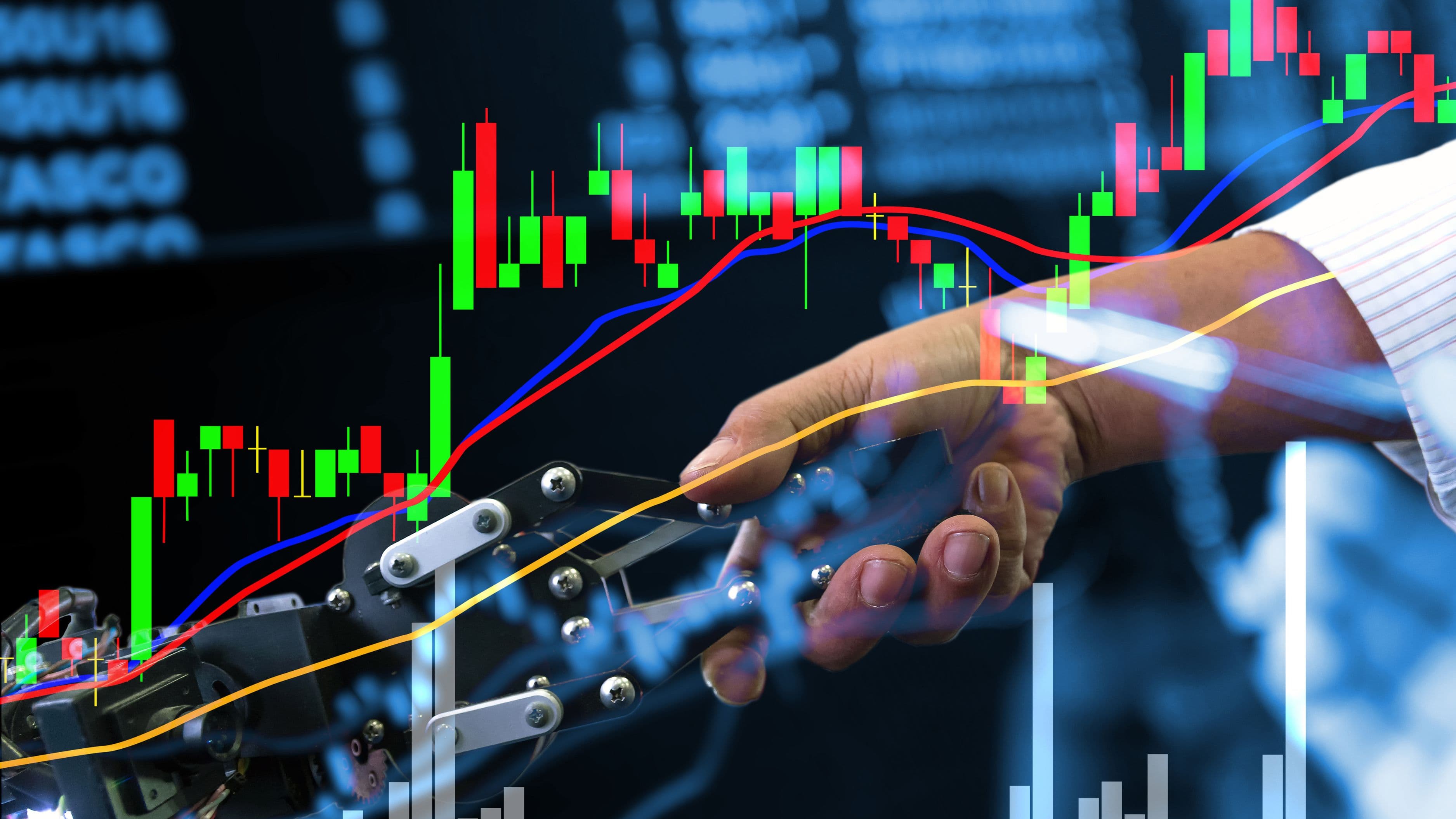
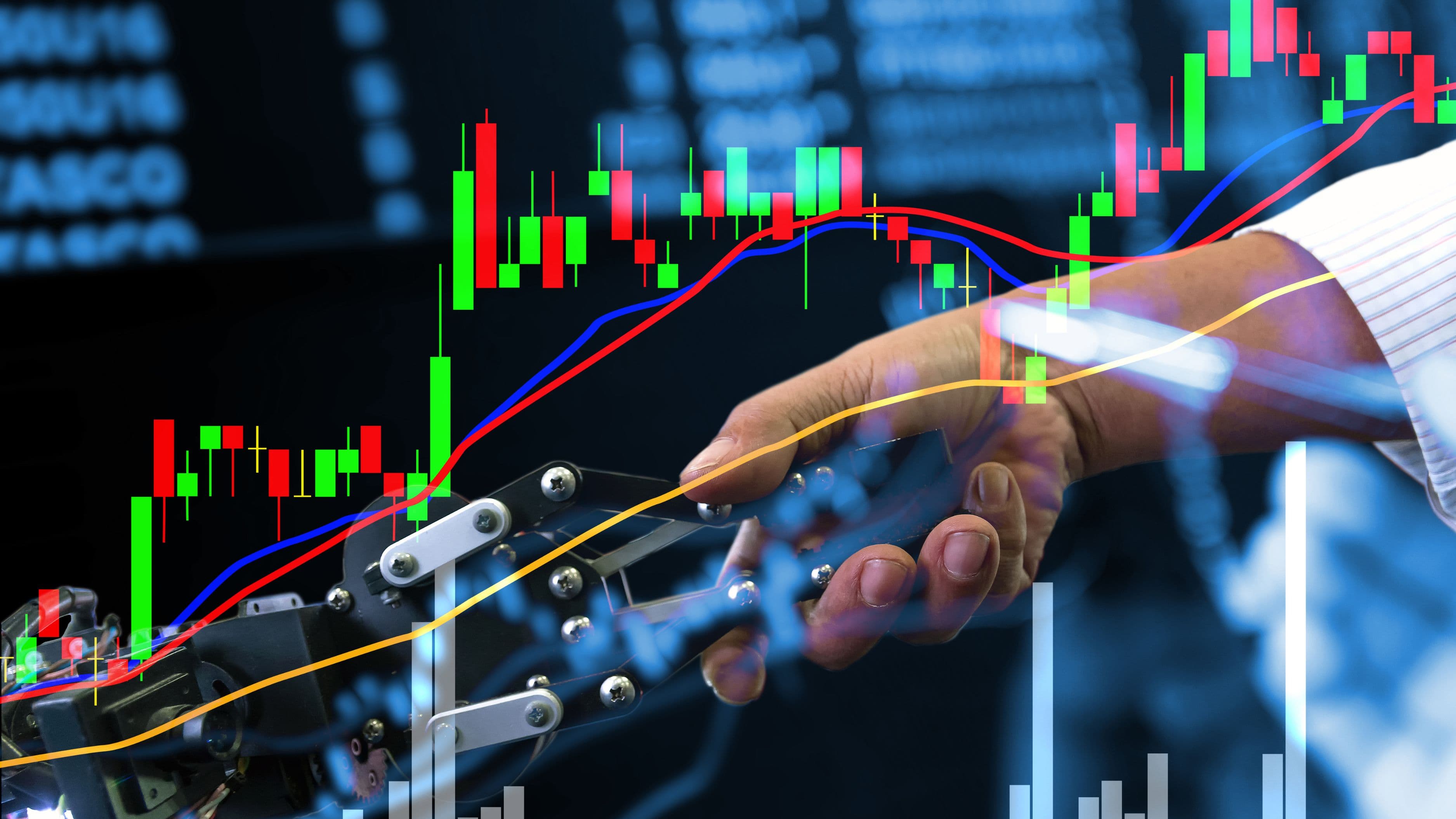
AI-driven platforms take this several steps further. Machine learning models can test thousands of variations of a strategy simultaneously, adjusting parameters (like how big a "dip" needs to be, or how long to hold a position) far faster than a human could manually explore.
Some AI systems also use their models to identify patterns and relationships within historical data that weren't explicitly programmed as rules from the start, essentially letting the system discover potential strategies rather than only testing ones a person already thought of.
This matters practically because it means AI-powered platforms can explore a much larger space of possible strategies in the time it would take a person to test just a handful, potentially surfacing patterns or combinations that wouldn't have been obvious to test manually.
Why It Matters for Everyday Investors
If you use a robo-advisor or an AI-powered investing tool, the strategies it deploys on your behalf have very likely gone through extensive backtesting before ever being used with real client money. Understanding this process helps you ask better questions about the tools you're using – for example, whether a platform discloses the time periods and market conditions its backtests covered, which is a meaningful signal of how rigorously a strategy has actually been vetted.
It also helps set realistic expectations. A strategy that performed well in a backtest covering a specific historical period (say, a long bull market) isn't guaranteed to perform the same way in a different kind of market environment, like a prolonged downturn or a period of high volatility. Understanding this limitation is part of using AI investing tools responsibly rather than assuming past performance data is a promise about the future.
Real-World Example
Consider an AI-powered investing platform testing a strategy that adjusts portfolio allocation based on detected market volatility signals. Rather than testing this idea against just one time period, the system might run the strategy against data spanning the 2008 financial crisis, the 2020 pandemic crash, and multiple calmer bull market periods, checking how the strategy would have performed across each very different environment. A strategy that only performed well during calm markets but failed badly during the 2008 or 2020 crashes would reveal an important weakness that a narrower backtest might have missed entirely.
Benefits
Backtesting, especially at the scale AI systems can perform it, gives investors and platforms a genuinely data-driven way to evaluate strategies before real money is at risk. It surfaces weaknesses (like a strategy that only works in specific market conditions) before they become expensive real-world lessons, and it allows for testing across a much wider range of scenarios than manual analysis realistically allows.
Limitations and Risks
Backtested performance is not a guarantee of future results. This is the single most important limitation to understand. Markets change, and a strategy that performed well historically may not perform the same way going forward, particularly if broader market conditions shift meaningfully.
Overfitting is a genuine risk with AI-driven backtesting. Because AI systems can test so many variations so quickly, there's a real risk of the model finding a strategy that happened to fit historical data extremely well by coincidence, rather than because it reflects a genuinely reliable pattern. This is sometimes called "curve fitting," and it's one of the more important technical risks that responsible AI investing platforms actively try to guard against through techniques like testing on data the model hasn't seen before.
Historical data has real limits. Markets evolve, new asset classes emerge, and conditions like unprecedented global events don't always have clean historical precedent to test against, meaning even an extensive backtest can't account for every possible future scenario.
Common Mistakes to Avoid
Be cautious of platforms or tools that advertise backtested returns without disclosing the specific time period tested or acknowledging the risk of overfitting. A strategy that only shows results from an unusually favorable market period, without transparency about that limitation, is a meaningful red flag rather than a genuine selling point.
Avoid assuming that a rigorously backtested strategy is risk-free simply because it's been tested extensively. Backtesting reduces uncertainty; it doesn't eliminate it, and every investment carries real risk regardless of how much historical testing has gone into a given strategy.
FAQ
Can I backtest my own investing strategy without AI tools? Yes, several platforms and even spreadsheet-based tools allow individual investors to backtest simpler strategies against historical data, though AI-driven platforms can typically test a much larger range of variations more efficiently.
Does a strong backtest mean a strategy will definitely make money going forward? No. Backtesting improves the odds of understanding how a strategy might behave, but it cannot guarantee future performance, especially if market conditions differ meaningfully from the historical period tested.
How can I tell if an AI investing platform is backtesting responsibly? Look for transparency about the time periods and market conditions tested, disclosure of the strategy's limitations, and evidence that the platform tests on data separate from what it used to build the strategy in the first place, which helps guard against overfitting.
Bottom Line
Backtesting gives investors a data-driven way to evaluate whether a strategy might have worked in the past, and AI systems have dramatically expanded how many variations and scenarios can be tested at once. It's a genuinely valuable tool for building more informed strategies, but it comes with real limitations – overfitting risk and the simple fact that past performance never guarantees future results. Understanding both the power and the limits of backtesting helps you use AI-powered investing tools with more informed, realistic expectations.
📚 Sources
CFA Institute – Backtesting Investment Strategies: Best Practices. cfainstitute.org
U.S. Securities and Exchange Commission – Robo-Advisers and Investor Considerations. sec.gov