What's Changing
Voice cloning technology has moved from a novelty requiring hours of audio and specialized expertise to something that can produce a convincing fake with just a short clip of someone's voice, often pulled from public sources like interviews, earnings calls, social media videos, or conference presentations. What used to require a well-funded research lab is now accessible through consumer-facing AI tools, some of which are marketed for legitimate uses like voiceover work and audiobook narration, but can just as easily be misused for impersonation.
This shift matters specifically for financial fraud because voice has traditionally been treated as a reasonably trustworthy verification signal – something banks, executives, and employees have relied on informally for years when a phone call "sounds right." Deepfake audio directly undermines that assumption, turning a previously reliable signal into something that can be convincingly faked by anyone with access to a short audio sample and readily available software.
Key Developments
Business email compromise scams, which have long relied on fraudulent written communication impersonating executives, are increasingly being paired with deepfake voice calls to add a layer of verification that makes the fraud far more convincing. A written email requesting an urgent wire transfer is one thing; a follow-up phone call in the executive's actual-sounding voice confirming the request removes much of the hesitation a finance employee might otherwise have, which is precisely why fraudsters have started combining these tactics.
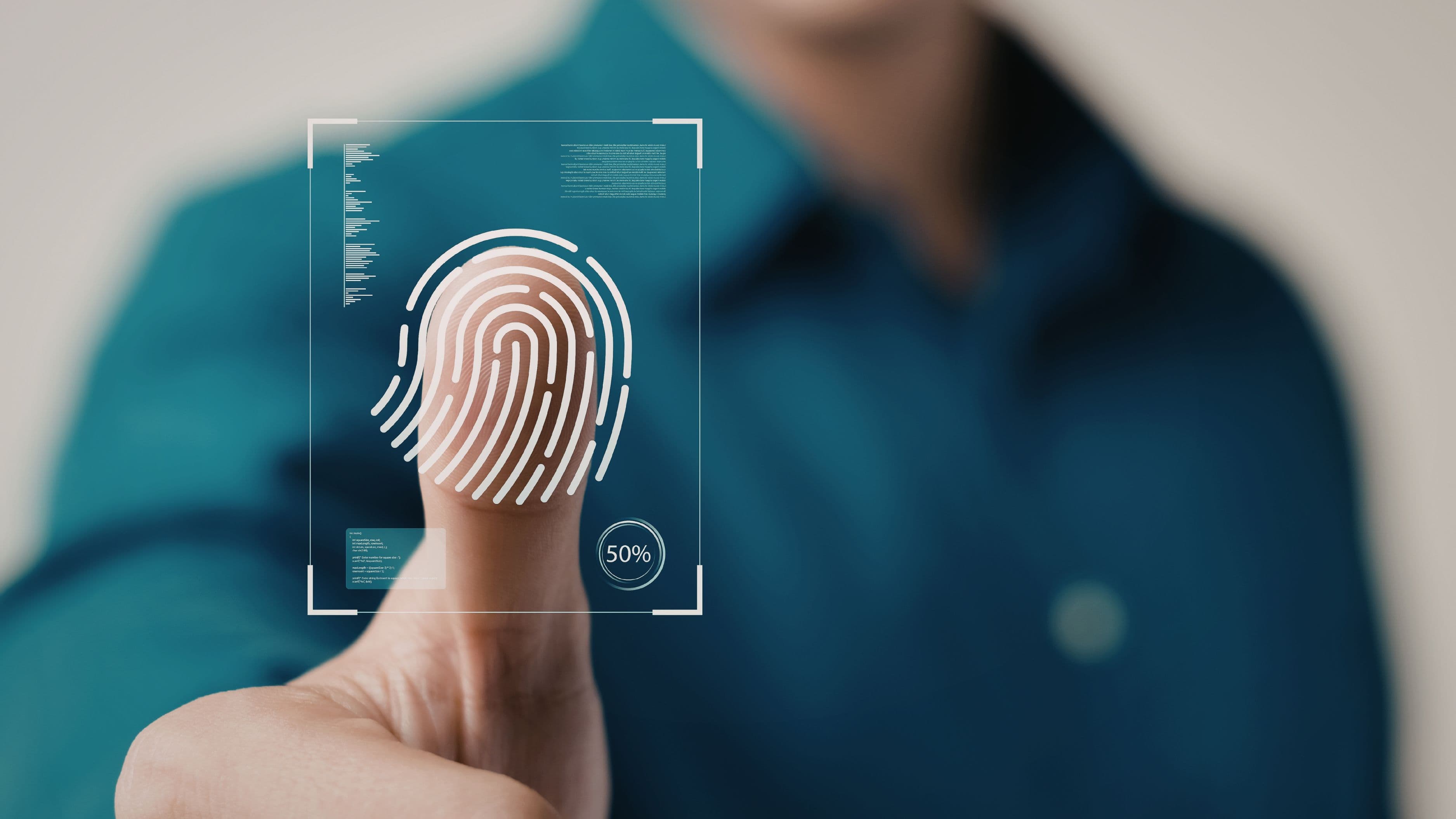
Financial institutions have also reported an increase in attempts to bypass voice-based identity verification systems, which some banks have used for phone banking authentication. Voice cloning technology sophisticated enough to fool a live human on a phone call raises real questions about whether voice alone remains a reliable verification method for account access or transaction approval, a concern banks and security vendors are actively working to address through additional verification layers.
Beyond direct corporate fraud, deepfake audio has also shown up in smaller-scale scams targeting individuals, including cases where a cloned voice of a family member is used in urgent "emergency" scam calls asking for immediate money transfers, playing on the emotional urgency of a loved one's voice rather than a corporate authority figure's.
Why It Matters
The financial impact here isn't theoretical. Reported cases of deepfake-assisted fraud have already resulted in substantial documented losses at individual companies, with one widely reported case involving a multinational firm's finance employee transferring millions of dollars after a video call, not just an audio call, appeared to feature the company's real executives. This illustrates how quickly the sophistication of these attacks has escalated beyond audio alone into combined audio and video deception.
For everyday consumers, the risk shows up differently but is just as real: emotional manipulation through a cloned voice of a family member creates urgency that overrides normal skepticism, precisely because the voice sounds so genuinely familiar. This is a meaningfully different threat model than traditional phone scams, which often rely on a stranger's voice and generic pressure tactics that are somewhat easier to recognize as suspicious.
Real-World Impact
Companies are responding by implementing verification protocols that don't rely on voice recognition alone for high-value transactions, such as requiring a secondary confirmation through a separate communication channel, or mandatory callback procedures using previously verified phone numbers rather than the number a call originated from. Some organizations have also introduced verbal "safe words" or code phrases for verifying identity during sensitive financial requests, treating voice authentication as one signal among several rather than sufficient verification on its own.
Financial institutions offering voice-based phone banking authentication have begun reassessing whether voice alone should remain a standalone verification method, with some shifting toward multi-factor approaches that combine voice with other verification signals like device recognition or one-time codes sent through a separate channel. This reflects a broader industry recognition that voice, once considered a reasonably strong biometric identifier, now requires additional layers of protection given how convincingly it can be replicated.
Risks and Limitations
It's worth being clear-eyed about the current state of detection technology here: while some tools exist to detect AI-generated audio, detection accuracy varies considerably and hasn't kept pace consistently with how quickly voice cloning quality has improved. This creates a genuine arms-race dynamic, where fraud detection and fraud generation technology are both advancing, without one side having a clear, sustained advantage over the other at this point.
There's also a real risk of overcorrection, where organizations become so cautious about voice-based verification that legitimate urgent requests get needlessly delayed, creating friction that can itself cause real business problems. Striking the right balance – enough skepticism to catch fraud without paralyzing legitimate time-sensitive financial decisions – is an ongoing challenge that companies are still actively working through rather than a solved problem.
What to Watch Next
Expect continued growth in multi-factor verification protocols specifically designed to address voice-based fraud, moving away from any single communication channel as sufficient proof of identity for high-value financial transactions. Regulatory guidance in this area is also likely to develop further, particularly around how financial institutions are expected to protect customers using phone-based verification systems as deepfake technology continues to improve.
It's also worth watching whether detection technology can meaningfully close the gap with generation technology, since the current asymmetry – where creating a convincing deepfake is often easier than reliably detecting one – is a central tension shaping how seriously this threat is likely to be taken by both individuals and institutions going forward.
FAQ
How can I protect myself from deepfake audio scams personally? Establishing a verbal code word with close family members for emergency situations, and always independently verifying urgent financial requests through a separate communication channel before acting, are practical steps that don't require any special technology.
Are banks doing anything to address this risk directly? Many banks are moving away from voice alone as a sufficient identity verification method, incorporating additional authentication layers rather than relying on voice recognition as a standalone security measure.
Can AI detect deepfake audio reliably? Detection tools exist, but accuracy varies and hasn't consistently kept pace with rapidly improving voice cloning technology, so detection alone shouldn't be treated as a fully reliable safeguard at this point.
Is this only a risk for large companies, or should individuals worry too? Both are genuinely at risk – companies face large-scale wire fraud attempts, while individuals face more emotionally targeted scams using cloned voices of family members, so awareness matters at both levels.
📚 Sources
Federal Trade Commission – Scammers Use AI to Enhance Their Family Emergency Schemes
Federal Bureau of Investigation – Public Service Announcement on Synthetic Media Fraud
Consumer Financial Protection Bureau – Voice Cloning and Financial Fraud Risks