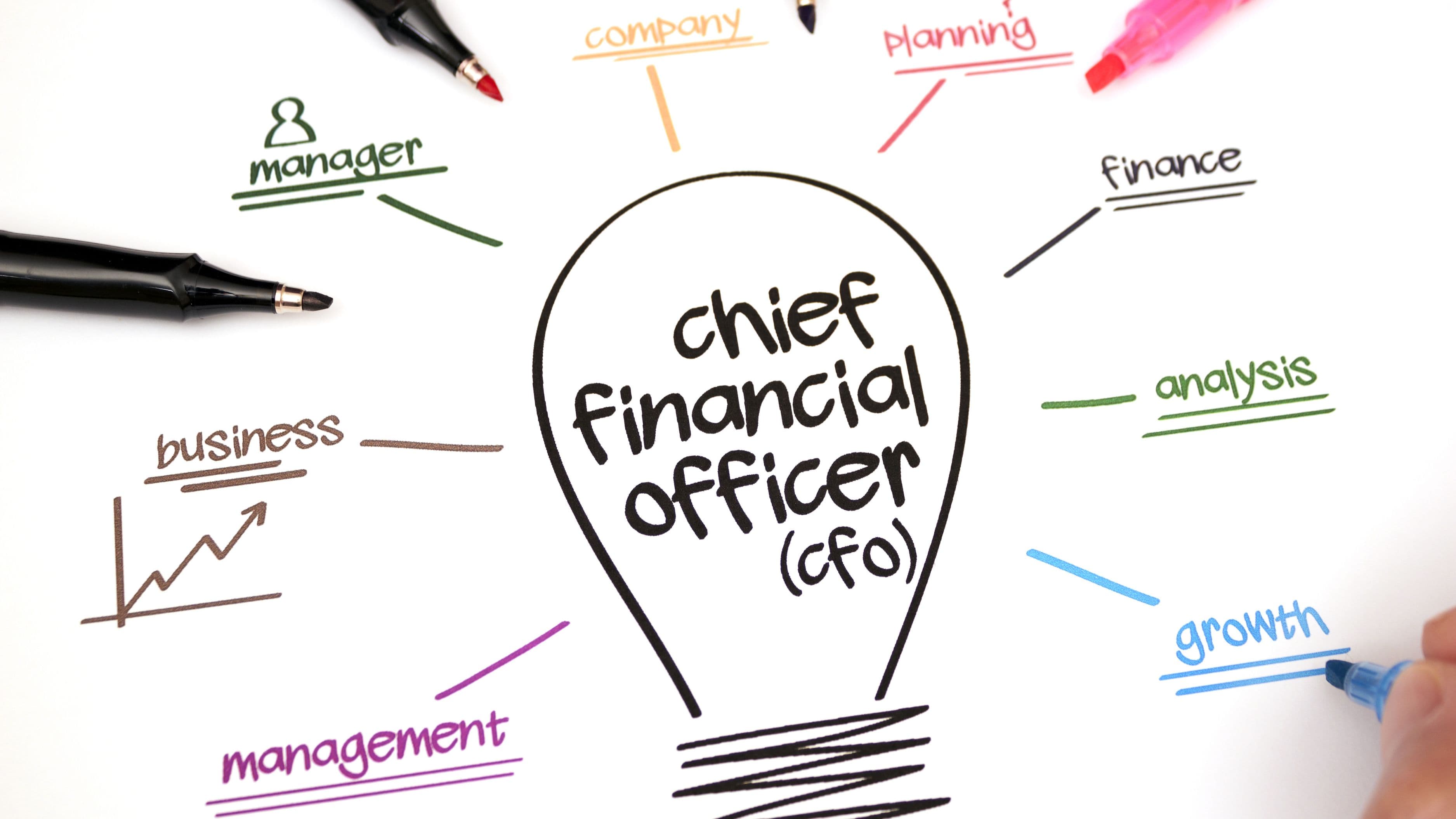



What a Digital CFO Actually Is
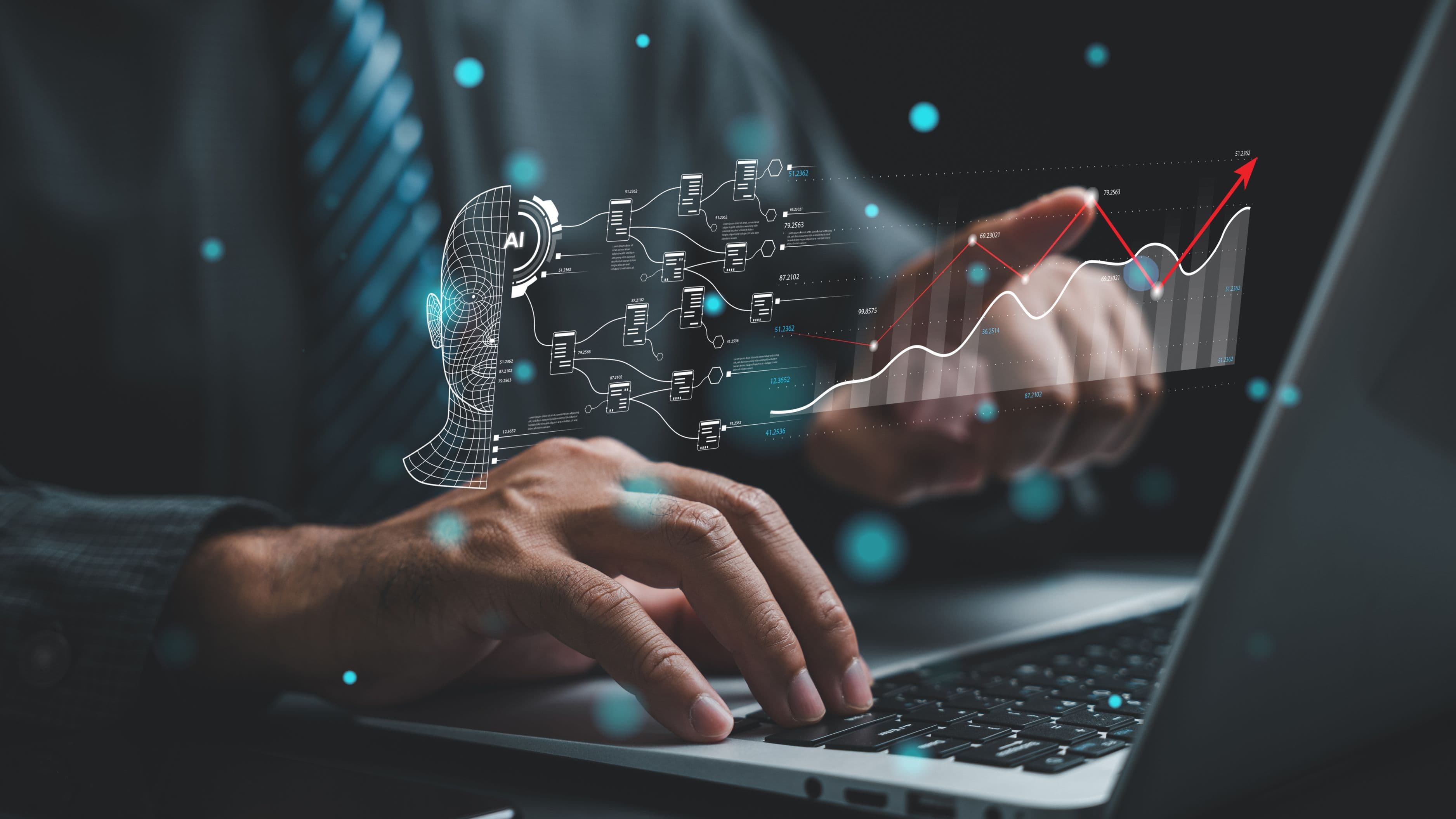
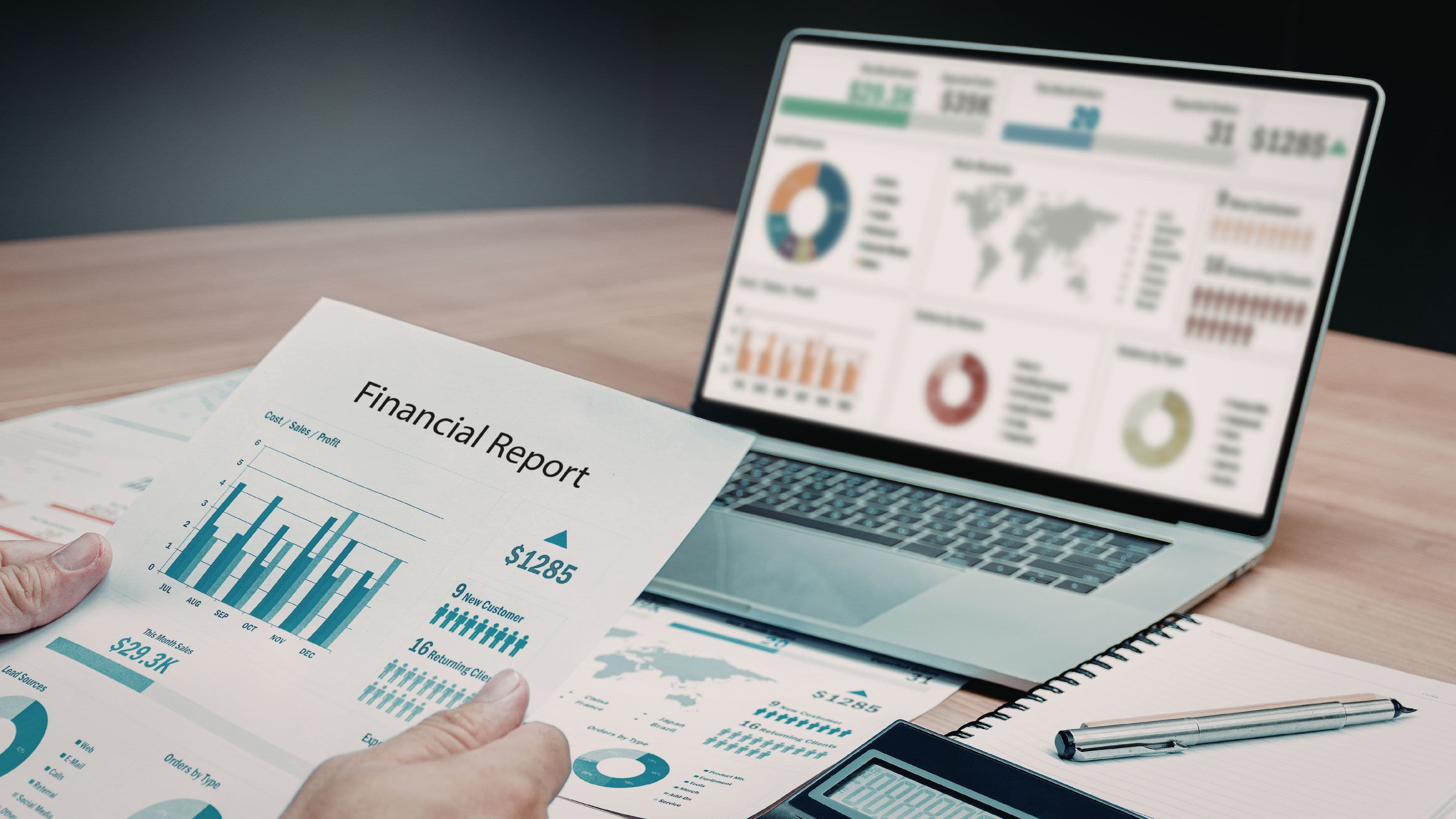
A digital CFO refers to AI-powered software platforms that provide financial planning, forecasting, and analysis functions traditionally handled by a human CFO, but at a fraction of the cost and typically integrated directly with your existing accounting and banking data. These platforms connect to your business's financial accounts and use AI models to generate cash flow projections, flag spending anomalies, model different growth or hiring scenarios, and provide financial dashboards that translate raw transaction data into decision-relevant insights.
Why it matters: this makes a level of financial planning sophistication that was previously reserved for companies large enough to afford a dedicated finance executive available to much smaller businesses, often for a monthly subscription cost that's a small fraction of even a part-time CFO's compensation.
How It Works in Practice
Most digital CFO platforms start by connecting to your existing financial systems, your accounting software, business bank accounts, and payroll system, pulling in real transaction data rather than requiring manual data entry. From there, the platform's AI models analyze historical patterns to generate forward-looking projections: how your cash position is likely to trend over the coming months, what impact a proposed new hire or major purchase would have on your runway, or which expense categories are growing faster than revenue in a way that warrants attention.
Real-world example: a small e-commerce business considering whether to hire a second employee might use a digital CFO platform to model how that additional payroll expense would affect cash flow over the next six months given current revenue trends, seasonal sales patterns, and existing fixed costs, providing a data-grounded answer rather than a rough guess based on current bank balance alone.
Benefits for Small and Mid-Sized Businesses
Digital CFO tools give business owners visibility into financial trends and risks that are easy to miss when reviewing a bank balance or basic accounting report in isolation. Cash flow forecasting specifically addresses one of the most common reasons small businesses run into trouble, running out of cash despite being profitable on paper, since profit and cash flow timing don't always align, particularly for businesses with delayed customer payments or seasonal revenue patterns.
These tools also lower the barrier to sophisticated financial scenario planning, letting a business owner model "what if" questions, a slow sales month, a major new expense, a pricing change, without needing to build complex financial models manually or hire someone who can.
Limitations and What a Digital CFO Doesn't Replace
Digital CFO tools are strongest at data-driven forecasting and pattern detection, but they're generally not equipped to replace the strategic judgment, negotiation skills, and nuanced business context a human financial leader brings, particularly for complex decisions like fundraising strategy, major contract negotiations, or navigating significant regulatory or tax complexity. Most businesses using these tools still benefit from periodic input from a human accountant or financial advisor for decisions that require this deeper context and judgment.
There's also a data quality consideration: these tools are only as accurate as the financial data they're connected to, and businesses with messy, inconsistent bookkeeping may find the projections and insights less reliable until underlying data quality improves.
Realistic Expectations
A digital CFO platform typically costs a modest monthly subscription fee, considerably less than even part-time traditional CFO or fractional CFO services, making it accessible for small businesses that previously had no dedicated financial planning support at all. Expect the most value from these tools if you're currently making financial decisions with limited visibility into cash flow trends or without any structured forecasting process, since that's the specific gap they're built to address.
What to Watch Next
As these platforms mature, expect increasing integration with a wider range of financial systems and growing sophistication in the scenario modeling they can handle. For business owners, the trend suggests that structured financial forecasting and planning is becoming an accessible baseline expectation rather than a luxury reserved for larger companies, which is worth factoring into how you evaluate your own business's financial management approach going forward.
FAQ
Is a digital CFO a full replacement for a human financial advisor or accountant? No. Digital CFO tools handle data-driven forecasting and pattern detection well, but complex strategic decisions, tax planning, and fundraising guidance still benefit from human expertise and judgment.
How much does a digital CFO platform typically cost? Pricing varies by platform and business size, but these tools are generally priced as an accessible monthly subscription, significantly less than hiring even part-time traditional CFO services.
Do I need clean, well-organized bookkeeping before using a digital CFO tool? It helps significantly. These platforms rely on your existing financial data, so businesses with disorganized or inconsistent bookkeeping may see less reliable projections until their underlying data quality improves.
📚 Sources
U.S. Small Business Administration, "Financial Planning for Small Businesses" – sba.gov
Journal of Accountancy, "AI Tools Reshaping Financial Planning for SMBs" – journalofaccountancy.com