What High-Frequency Trading Actually Is
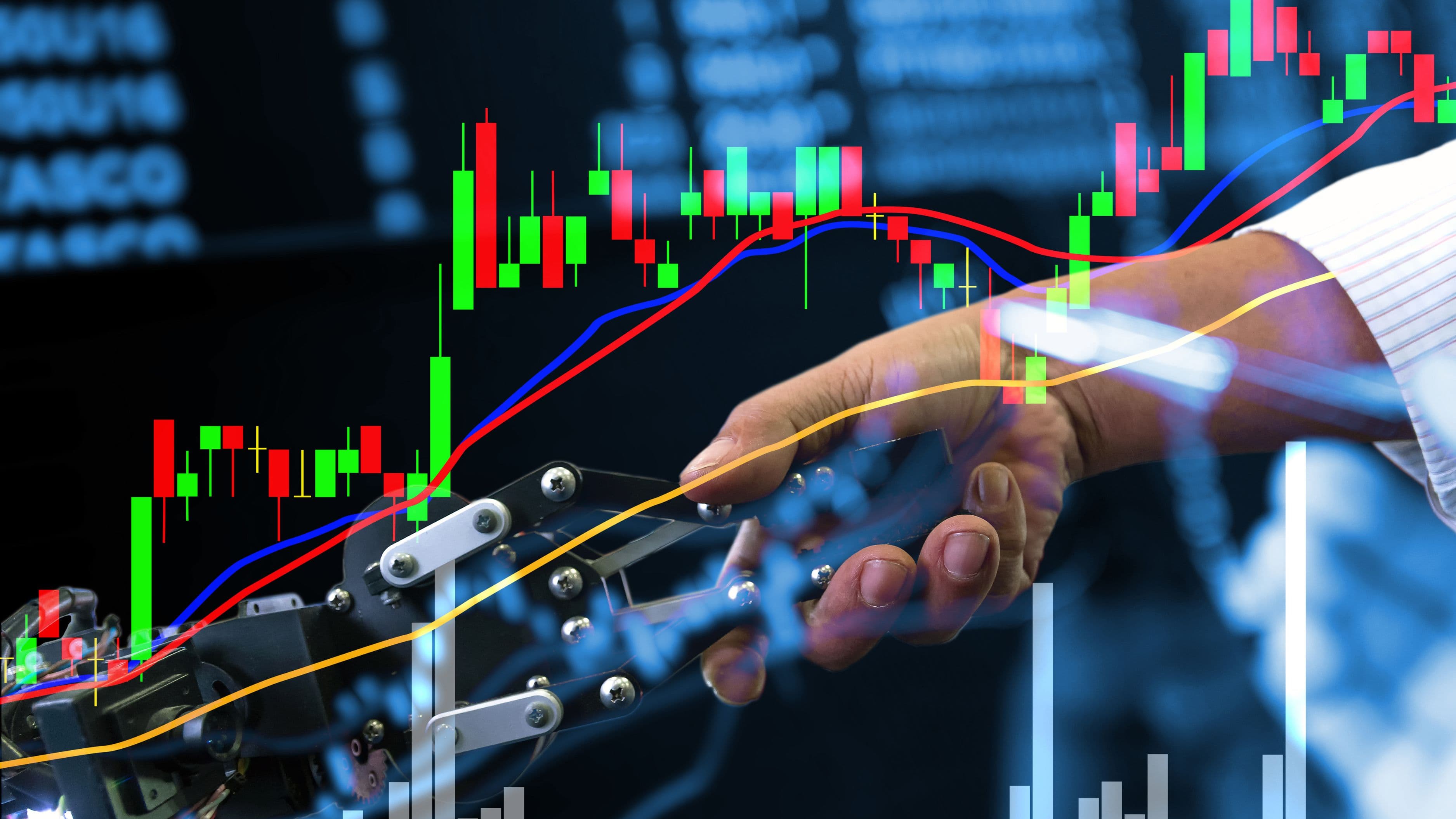
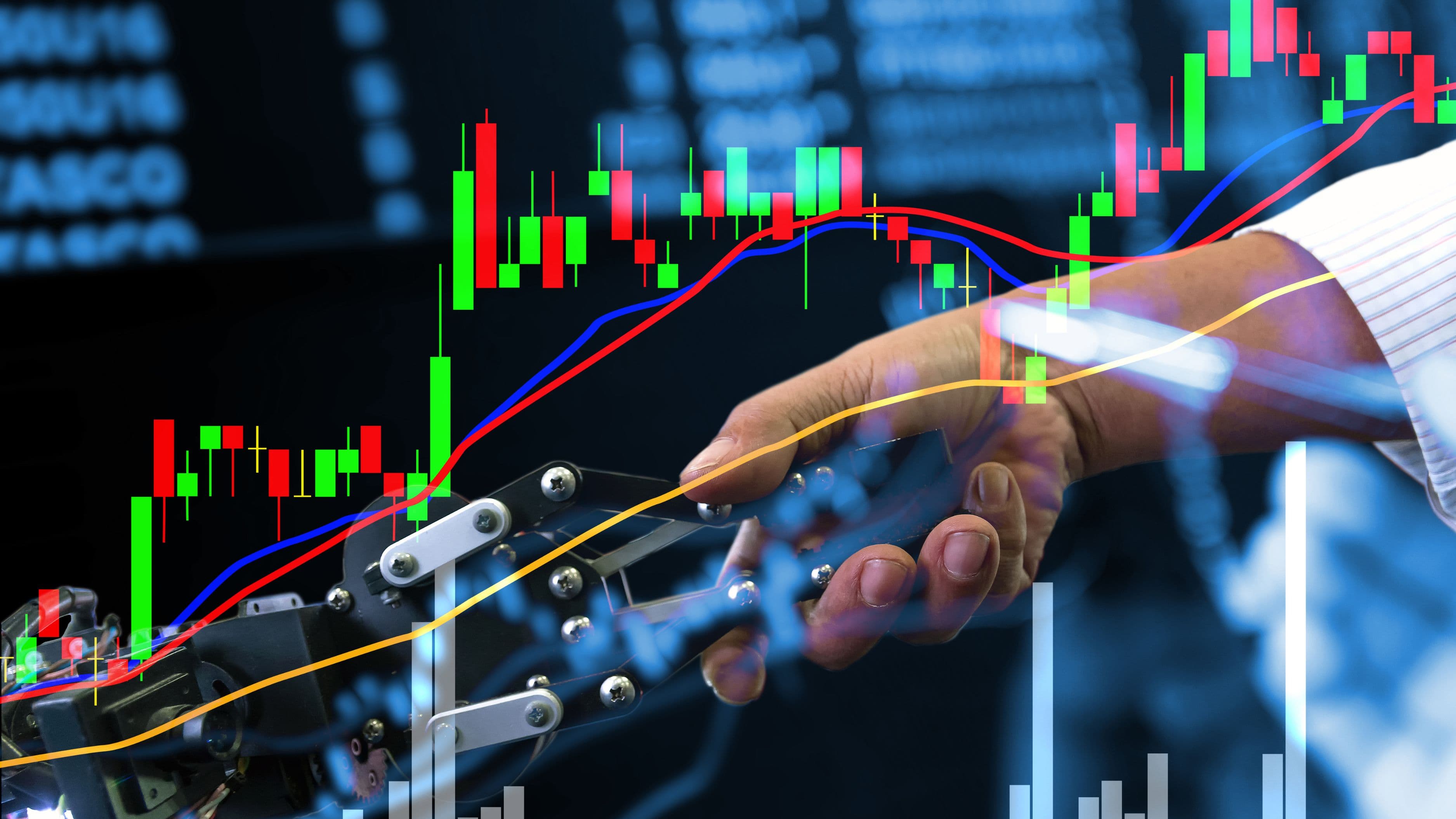
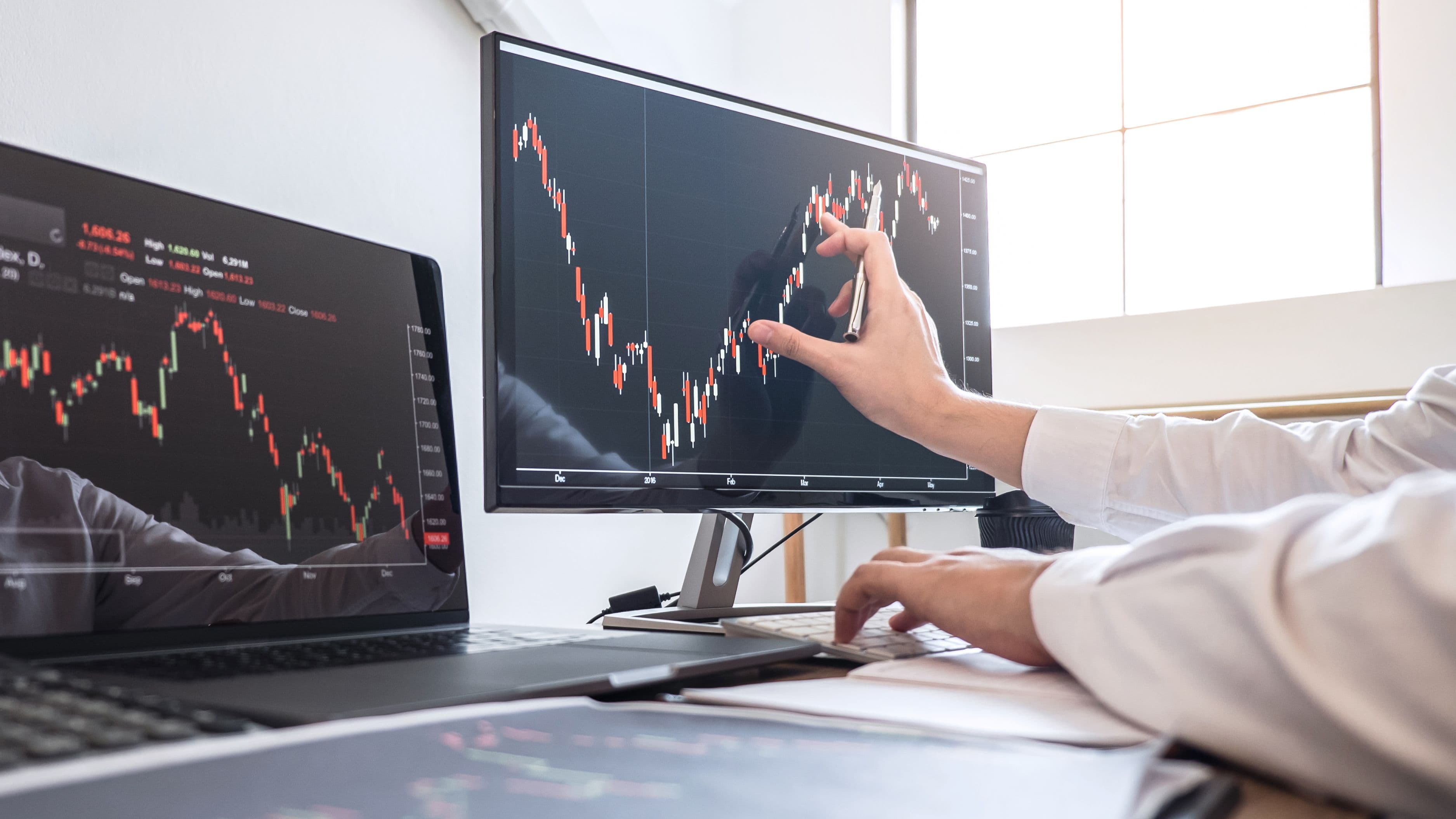
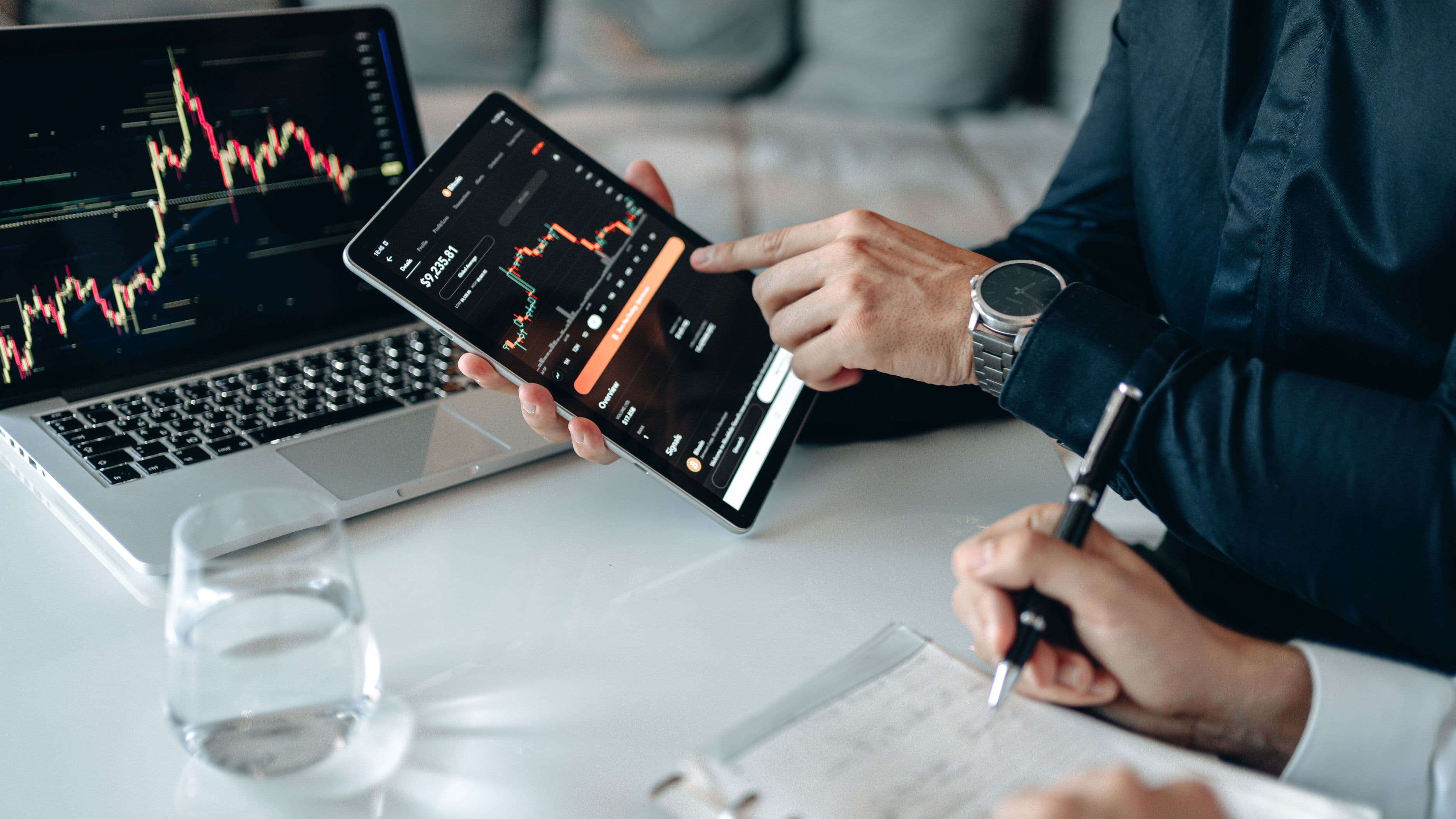
High-frequency trading, usually shortened to HFT, refers to a style of trading where computer algorithms buy and sell securities at extremely high speeds, often executing thousands of trades in the time it takes you to blink. These firms don't rely on predicting where a stock will be in six months – they profit from tiny, fleeting price differences that exist for fractions of a second, capturing small gains repeatedly across an enormous volume of trades.
Think of it like the difference between someone who buys a rental property and holds it for years, versus someone who buys and resells concert tickets the moment prices shift by a dollar, doing it thousands of times a day. Both are legitimate forms of trading, but they operate on completely different timescales and strategies. HFT firms use specialized hardware, direct data connections to exchanges, and algorithms designed purely for speed, since being a fraction of a millisecond faster than a competitor can be the entire edge that makes a trade profitable.
How It Actually Works
At a basic level, HFT firms use algorithms to spot tiny inefficiencies in the market – a stock trading for a slightly different price on two exchanges at the same moment, for example – and execute trades to profit from that gap before it disappears. Because these opportunities vanish almost instantly once other traders notice them, speed is the core competitive advantage, which is why HFT firms invest heavily in things like proximity hosting (placing their servers physically closer to exchange data centers to shave off milliseconds) and highly optimized trading software.
A common and less controversial form of this is market making, where HFT firms continuously post both buy and sell orders for a stock, profiting from the small difference between the two prices (the "spread"). This activity actually adds liquidity to the market, meaning there are more buyers and sellers available at any given moment, which tends to make it easier and cheaper for everyday investors to buy and sell shares without significantly moving the price.
Why It Matters for Everyday Investors
Here's the part that surprises a lot of people: for the average long-term investor, HFT's day-to-day impact is smaller than the dramatic headlines suggest. If you're investing through a typical brokerage account, contributing to a retirement account, or buying index funds, you're generally not competing directly against high-frequency traders in any meaningful sense. HFT firms are chasing price differences measured in fractions of a cent that exist for milliseconds – gaps that are irrelevant to someone buying and holding shares for years.
Where it becomes more relevant is in market liquidity and trading costs. Because HFT market-making activity keeps buy and sell orders flowing constantly, the difference between the price you'd pay to buy a stock and the price you'd get to sell it (the bid-ask spread) tends to be tighter than it would be without this activity. In practical terms, this can mean slightly better prices and lower implicit costs when you place a trade through your brokerage app, even if you never interact with an HFT firm directly or think about them at all.
Real-World Examples
Consider a simple trade: you decide to buy shares of a stock through your brokerage app. Behind the scenes, your order is often matched against liquidity partly supplied by market-making firms, some of which use high-frequency strategies to keep prices tight and orders filling quickly. You experience this as a smooth, fast transaction – you likely never notice the layer of high-speed trading activity that helped make that possible.
Now consider a different scenario: the 2010 "Flash Crash," when U.S. stock markets briefly plunged nearly 1,000 points within minutes before rapidly recovering. While the causes were complex and involved multiple factors, the event drew significant attention to how automated and high-speed trading strategies can amplify sudden market moves, since algorithms reacting to falling prices can trigger more selling in a feedback loop that happens far faster than a human trader could react. This is the kind of event that fuels legitimate concern about HFT's role in short-term market instability, even though it doesn't reflect what happens on a typical trading day.
Risks and Limitations Worth Understanding
The most legitimate concern around HFT isn't that it's quietly draining money from everyday investors' accounts one trade at a time – the actual price impact on a typical long-term investor's trade is generally minimal. The more real concern is about market stability during moments of stress, since a large concentration of algorithmic trading activity, all reacting to the same signals at the same speed, can amplify volatility during unusual events, as seen in flash-crash-type scenarios.
There's also an ongoing debate among regulators and researchers about whether certain aggressive HFT strategies create an uneven playing field, since firms with faster infrastructure access can, in some cases, react to public information microseconds before others. Exchanges and regulators have introduced measures over the years – like circuit breakers that pause trading during extreme volatility – specifically to address these kinds of systemic risks, which is a sign the concern is taken seriously at a structural level, even if it doesn't translate into a direct, everyday threat to a typical retail investor's account.
Should You Actually Be Worried?
For most everyday investors – people contributing to retirement accounts, buying index funds, or holding stocks for the long term – high-frequency trading isn't something that should keep you up at night. Its influence on your specific returns is minor compared to factors like your asset allocation, how consistently you invest, and your overall time horizon. The bigger-picture concerns around HFT are more relevant to regulators, exchanges, and the overall structural stability of markets than to any individual buy-and-hold investor's day-to-day experience.
That said, it's reasonable to stay aware of it as part of understanding how modern markets function, particularly if you're someone who trades more actively or is curious about market structure. Knowing that HFT exists, how it profits, and where its genuine risks lie (market stability during stress events, not routine price manipulation against retail investors) gives you a more accurate picture than the more dramatic narratives sometimes suggest.
FAQ
Does high-frequency trading affect the price I pay when I buy a stock? Generally, its effect on an individual retail trade is minimal and, if anything, tends to tighten the difference between buy and sell prices due to added market liquidity, rather than working against typical investors in any meaningful way.
Is high-frequency trading illegal? No, the vast majority of HFT activity is legal and regulated. Certain manipulative practices, like "spoofing" (placing fake orders to trick other traders), are illegal and have led to enforcement actions, but that's distinct from HFT as a broader trading strategy.
Can everyday investors use high-frequency trading strategies themselves? Not realistically. HFT requires specialized infrastructure, direct exchange connections, and enormous investment in speed-focused technology that's well beyond what an individual investor or even most investment firms can access.
📚 Sources
"Findings Regarding the Market Events of May 6, 2010" – U.S. Securities and Exchange Commission & CFTC, sec.gov
"High-Frequency Trading: Overview of Recent Developments" – Congressional Research Service, crsreports.congress.gov
"Market Liquidity and Trading Costs" – FINRA, finra.org