
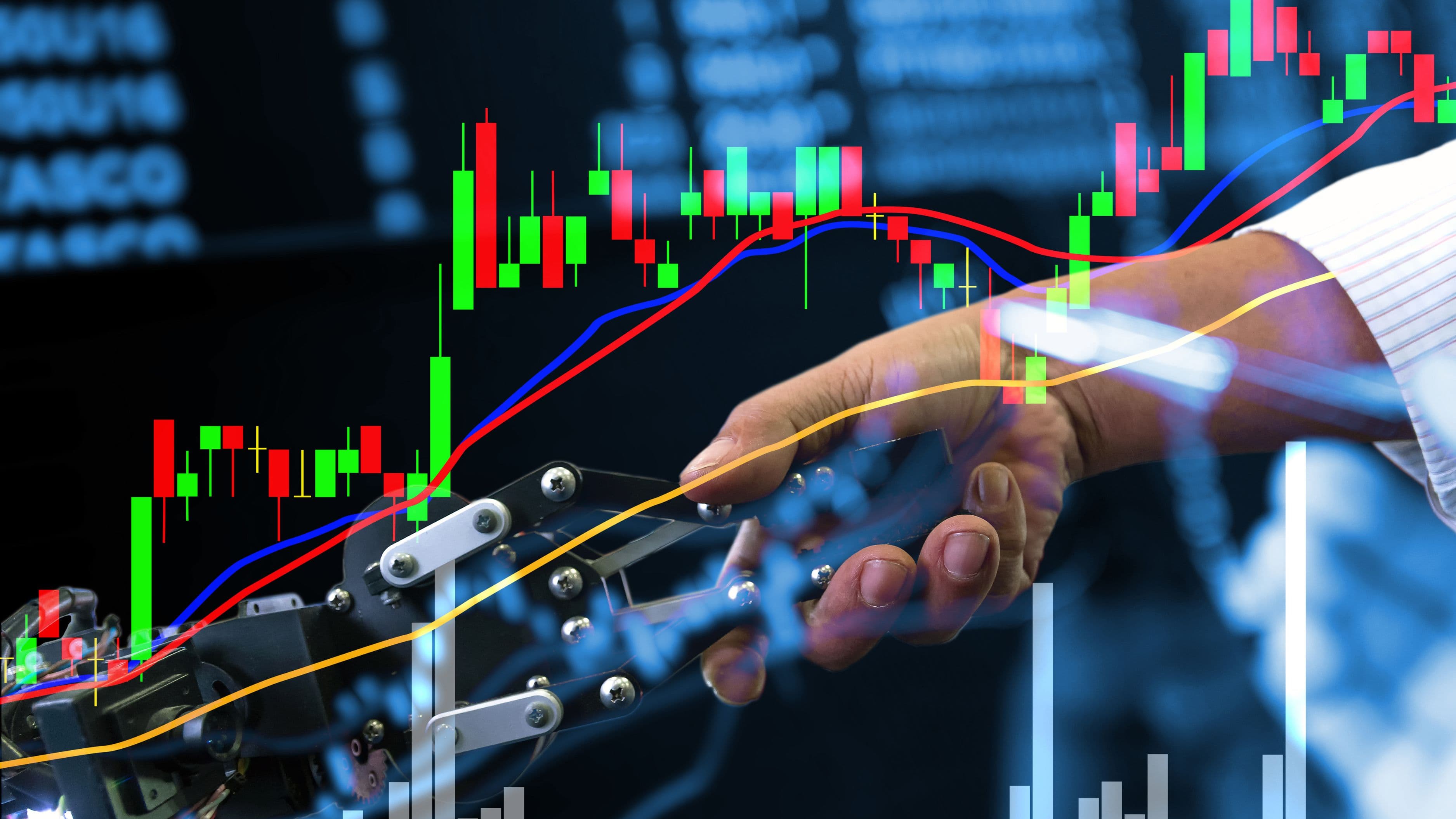
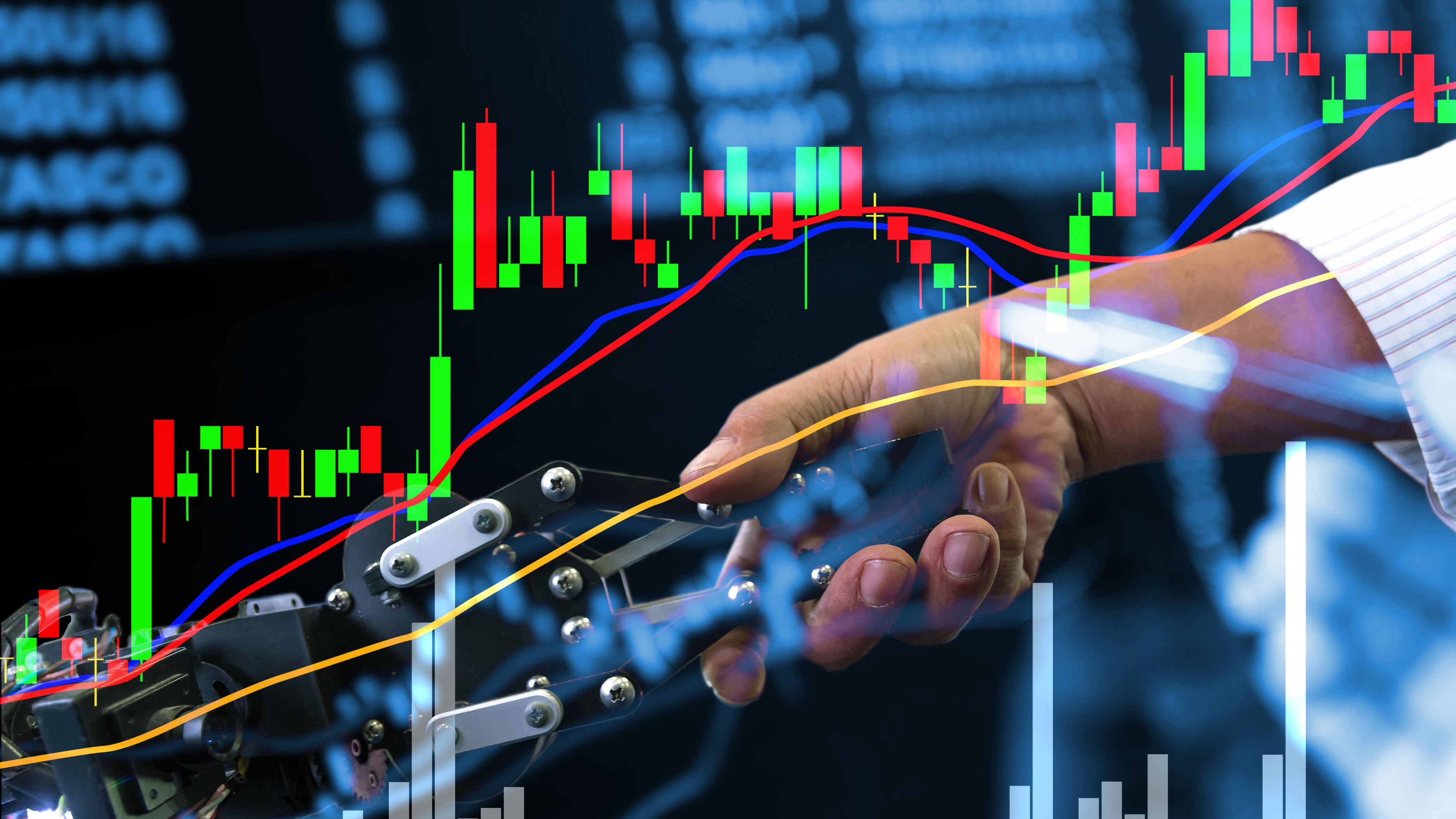
But there's a big gap between understanding the idea and understanding how automated systems actually execute it at scale – and an even bigger gap between what these systems can do and what a regular investor should take away from it. Let's break down what momentum trading really is, how AI runs it behind the scenes, and what it all means for you.
What Momentum Trading Actually Is
Momentum trading is a strategy based on a simple bet: that an asset moving strongly in one direction will keep moving that way long enough to profit from it. Instead of trying to buy something cheap and undervalued, a momentum trader buys what's already rising (or bets against what's already falling), aiming to ride the wave and get out before it turns.
Think of it like a crowded restaurant. A momentum investor doesn't analyze the menu to decide if the food is worth the price – they see the line out the door, conclude the place is hot, and join in, planning to leave before the crowd thins. The logic is that strength attracts more strength: as a stock rises, more buyers notice it, pile in, and push it higher, creating a self-reinforcing trend until something breaks it.
This is the opposite of "value investing," which hunts for underpriced bargains. Momentum doesn't care whether something is cheap or expensive – only whether it's moving, and how strongly. It's a real, well-documented pattern in markets, but it comes with a sharp catch we'll get to: trends reverse, often suddenly, and the same momentum that lifted a price can slam it back down.
How a Momentum Trader Spots a Trend
Before getting to the AI part, it helps to know what momentum traders actually look at, because that's what the machines are measuring at high speed.
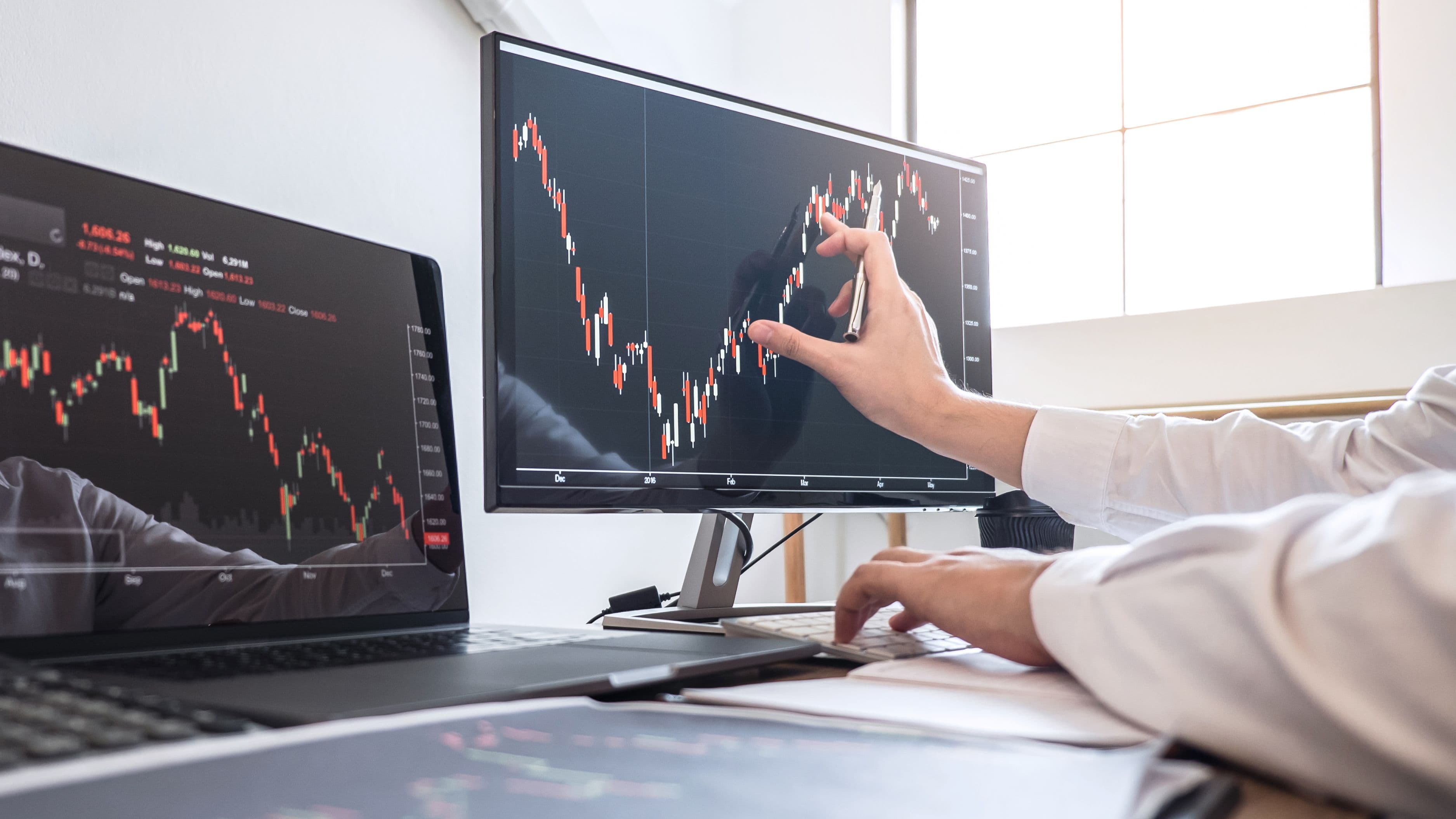
Traders gauge momentum using indicators – measurements derived from price and trading activity. Common ones include how far a price has moved over recent weeks or months, whether it's trading above its recent average price (a sign of an uptrend), how much trading volume is backing the move (more volume suggests a stronger trend), and the speed at which the price is changing. None of these are magic; they're just structured ways of answering "is this thing moving strongly, and is the move gaining or losing steam?"
A human trader might check a handful of these on a few stocks. This is exactly where AI changes the picture – because a machine can monitor thousands of assets across all these signals at once, continuously, without blinking.
How AI Systems Execute Momentum Trading
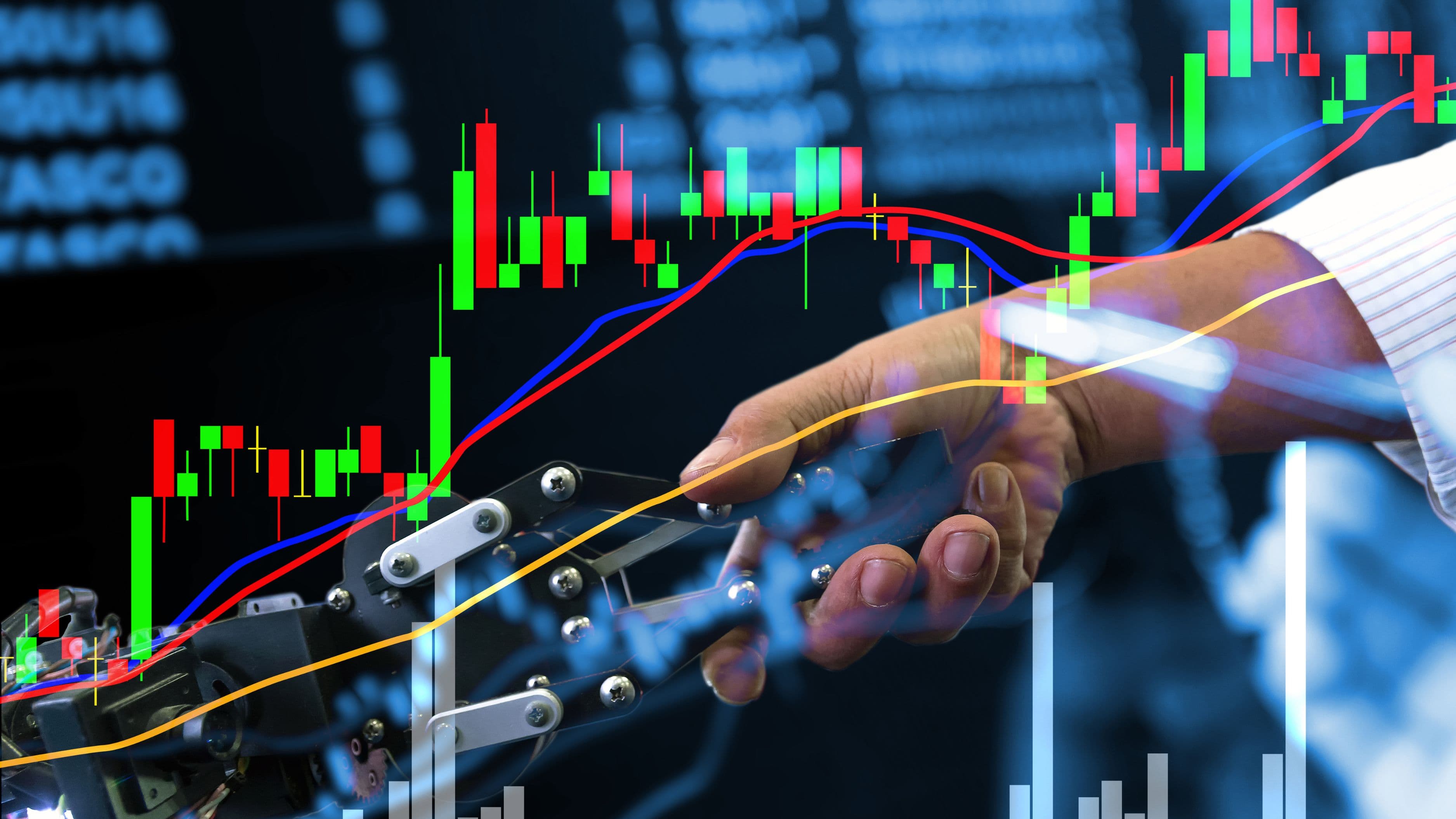
Here's where the strategy gets supercharged. AI doesn't invent a new idea of momentum; it executes the same idea with a scale, speed, and discipline no human can match. It works in roughly four stages.
Scanning everything, constantly. An AI system monitors thousands of stocks (or other assets) in real time, continuously calculating momentum signals on all of them simultaneously. Where a person watches a watchlist, the machine watches the whole market, spotting emerging trends the moment the data starts to show them.
Recognizing patterns from history. Many AI momentum systems use machine learning – software that has studied huge amounts of past market data to recognize what the early stages of a profitable trend tend to look like. Rather than following one fixed rule, these models learn subtle combinations of signals that have preceded strong moves before, then watch for similar setups in live data. In plain terms, the system has "seen" thousands of past trends and tries to recognize a new one forming.
Executing automatically and fast. When the system's conditions are met, it can place trades automatically in fractions of a second, without a human approving each one. This speed matters in momentum trading, where being early to a trend – and exiting before it reverses – is much of the game. The AI also sizes positions and can spread orders to avoid moving the price against itself.
Managing risk and exits. Crucially, good systems don't just buy trends – they're programmed to get out. They set automatic exit rules, like selling if a price falls a certain amount from its peak (a "stop-loss"), to protect against the sudden reversals that make momentum dangerous. The AI monitors every position continuously and acts the instant its rules trigger, with none of the hesitation or hope that leads human traders to hold losers too long.
What this means in real terms: AI turns momentum trading from a slow, manual hunt into an always-on, market-wide, instant-reacting machine. It's the same "ride the trend" idea, executed with inhuman scale and discipline.
Why It Matters for Everyday Investors
You might be wondering how any of this touches you if you're not running trading algorithms. It matters for a few practical reasons.
First, these systems are part of why markets sometimes move sharply and fast. When many AI momentum systems detect the same trend and pile in or bail out together, they can amplify price swings, contributing to rapid run-ups and sudden drops. Understanding that helps you make sense of days when a stock or the whole market lurches for no obvious news reason – sometimes it's automated strategies reacting to each other.
Second, it's a reality check on "momentum" investing products and tips aimed at regular people. Momentum is a genuine market pattern, and there are even momentum-based funds you can buy. But trying to day-trade momentum by hand against these AI systems is playing a speed game you're set up to lose – the machines are faster, watch more, and never get emotional. If you're tempted by the strategy, a professionally managed momentum fund is a far more realistic route than manual trading.
Third, and most reassuring: you don't need to play this game at all to invest well. Momentum trading is an active, higher-risk, short-term strategy. The steady, long-term, diversified approach that suits most people operates on a completely different logic and doesn't require competing with anyone's algorithm. Knowing what momentum trading is helps you recognize it – and decide, sensibly, that it's probably not your arena.
The Risks and Limits
Momentum trading is one of the riskier strategies out there, for humans and machines alike, and it's important to see that clearly rather than be dazzled by the technology.
The defining danger is sudden reversals. Trends can flip without warning, and a momentum position can turn from winner to big loser in moments – which is why exit rules are essential and why even sophisticated systems get caught out. AI doesn't remove this risk; it just tries to react to it faster. These systems can also fail in unusual market conditions they haven't seen before, since a model trained on the past can be blindsided by something genuinely new. And when many automated strategies crowd into the same trades, they can worsen volatility for everyone, including in rare cases contributing to rapid market disruptions.
For an individual, the limits are blunt: you can't match the speed, data, or discipline of institutional AI systems, and emotional decision-making (chasing a hot stock, panic-selling a dip) tends to make manual momentum trading especially costly. There are no guaranteed profits here – momentum is a probability-based edge that works on average over many trades for those equipped to run it, not a reliable win on any single bet. Any tool or service promising easy momentum riches to regular investors deserves real skepticism.
FAQ
Is momentum trading the same as day trading? They overlap but aren't identical. Momentum trading is a strategy (buying what's trending strongly), while day trading is a timeframe (buying and selling within the same day). You can trade momentum over days, weeks, or months, not just intraday – but a lot of short-term momentum trading does happen fast, which is why it's associated with active trading.
Can regular investors use a momentum strategy? In a limited way, yes – there are momentum-focused funds and ETFs designed to capture the pattern in a managed, diversified form, which is far more practical than trying to trade it manually. Attempting to day-trade momentum by hand against professional AI systems is very difficult and risky for individuals, since you're competing on speed and data you don't have.
Does AI guarantee momentum trading works? No. AI executes momentum strategies faster and at greater scale, but it can't remove the core risk that trends reverse suddenly, and models can fail in unfamiliar conditions. Even well-funded systems lose money on momentum trades regularly. The technology improves execution and discipline, not certainty.
Why do AI momentum systems sometimes make markets more volatile? Because many of them react to the same signals at the same time. When numerous automated systems detect a trend and trade in the same direction at once – buying a rise or dumping a fall – their combined activity can amplify the move, leading to faster, sharper price swings than human traders alone would create.
Should I try momentum trading myself? For most people, no – it's an active, higher-risk strategy that's hard to do well by hand, especially against institutional algorithms. If the idea appeals to you, exploring a professionally managed momentum fund is a more realistic option, and it's wise to treat any short-term trading as a small, high-risk slice of a portfolio rather than a core strategy. For personal decisions, a qualified financial professional can help.
The Bottom Line
Momentum trading is the simple, time-tested bet that strong price trends tend to continue – buying what's already rising and aiming to exit before it turns. AI didn't invent the idea, but it executes it with overwhelming scale and speed: scanning thousands of assets at once, recognizing trend patterns learned from history, trading automatically in fractions of a second, and enforcing strict exit rules without emotion. For everyday investors, the real value is understanding the strategy well enough to see why markets sometimes move sharply, to recognize that competing manually against these systems is a losing game, and to feel confident that sensible long-term investing never required winning this race. This is general information, not personalized financial advice, so for decisions specific to your situation, consider speaking with a qualified professional.
📚 Sources
U.S. Securities and Exchange Commission (Investor.gov) – Day trading and active trading risks: https://www.investor.gov/introduction-investing/investing-basics/glossary/day-trading
FINRA – Artificial intelligence in the securities industry: https://www.finra.org/rules-guidance/key-topics/fintech/report/artificial-intelligence-in-the-securities-industry
CFA Institute – Momentum investing research and factor explanation: https://rpc.cfainstitute.org/research/foundation/2016/factor-investing
U.S. Securities and Exchange Commission – Staff report on algorithmic trading in U.S. capital markets: https://www.sec.gov/files/algo_trading_report_2020.pdf
Bank for International Settlements – Artificial intelligence and machine learning in finance: https://www.bis.org/publ/work1194.htm
Investor.gov (SEC) – Be wary of promises of guaranteed returns: https://www.investor.gov/protect-your-investments/fraud/how-avoid-fraud