What's Actually Changing
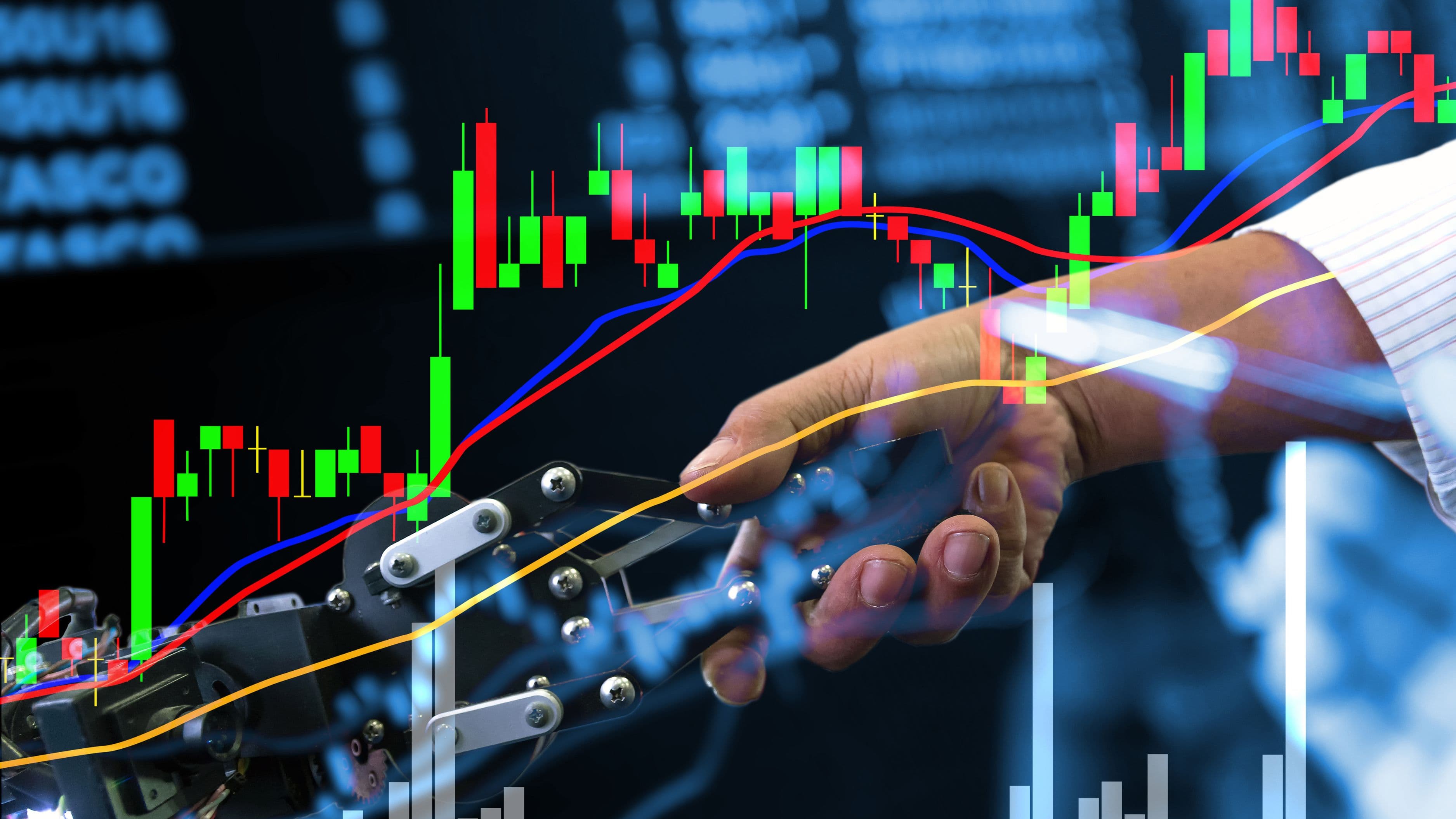
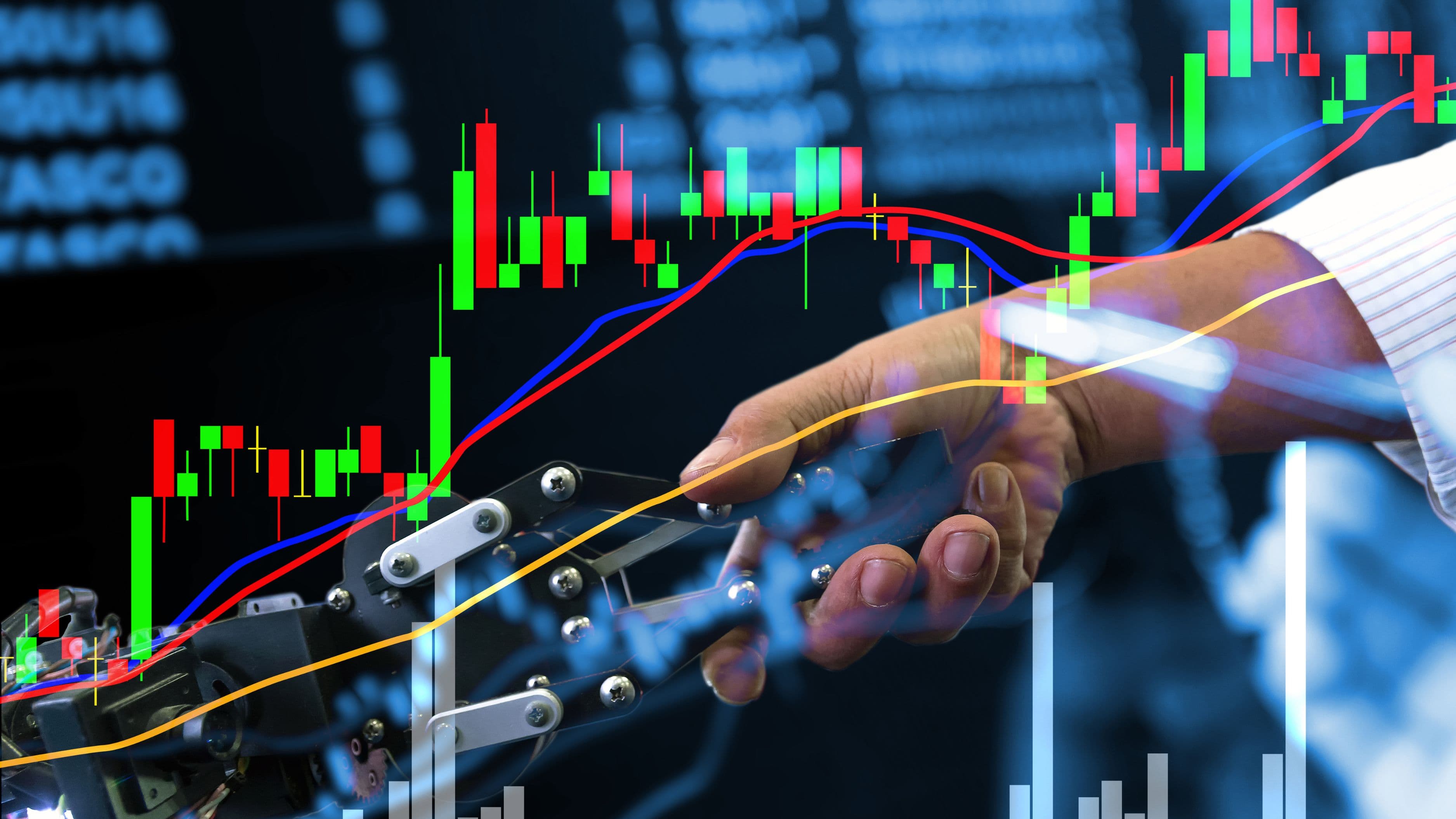
Asset management, the business of professionally managing investment portfolios for individuals and institutions, has traditionally relied on teams of human analysts researching companies, building financial models, and making judgment calls about where to allocate capital. AI is being layered into nearly every part of this process now: scanning vast amounts of financial data for patterns humans would take weeks to find, generating draft research reports that analysts refine rather than write from scratch, and running risk models that update in real time as market conditions shift.
This isn't a single new tool, it's a broad set of overlapping technologies including natural language processing (which lets AI read and summarize text like earnings calls and news), machine learning (which identifies statistical patterns in market data), and increasingly, generative AI systems that can draft analysis and answer research questions conversationally.
How It Works in Practice
A useful real-world example is how AI-powered research platforms process a company's quarterly earnings call. Historically, an analyst would listen to the full call, take notes, and compare management's comments against previous quarters. Now, AI systems can transcribe the call in real time, flag specific phrases or sentiment shifts compared to prior calls, and surface these insights to analysts within minutes of the call ending, rather than requiring hours of manual review.
Similarly, on the portfolio construction side, some asset managers now use machine learning models to continuously test thousands of portfolio combinations against historical and simulated market scenarios, something that would be practically impossible for a human team to do manually at the same speed or scale. This doesn't replace the human decision of what risk level or strategy to pursue, but it dramatically expands how many scenarios can be tested before that decision is made.
Why It Matters for Everyday Investors
Even if you've never worked with an asset manager directly, this shift affects you if you hold mutual funds, target-date retirement funds, or ETFs, since many major asset management firms managing these products are integrating AI tools into their research and portfolio management processes. In theory, this can lead to more efficiently priced, better-researched investment products, and some firms have begun offering AI-enhanced fund options marketed specifically around this capability.
It's also changing the robo-advisor space, the automated investment platforms many everyday investors use directly. These platforms have used algorithmic portfolio allocation for years, but newer generations increasingly incorporate more sophisticated AI models for things like tax-loss harvesting timing and personalized risk assessment based on a broader range of individual financial data than earlier, simpler robo-advisor models used.
The Real Benefits
The most concrete benefit AI brings to asset management is speed and scale in research and pattern recognition. Tasks that once took analyst teams days, like reviewing every filing across an entire sector for a specific risk factor, can now be done in a fraction of the time, freeing human analysts to focus on higher-judgment work like interpreting what those patterns actually mean for an investment thesis. This can lead to faster identification of both risks and opportunities across large portfolios.
AI also supports more comprehensive risk monitoring. Traditional risk models often relied on periodic reviews, weekly or monthly checks against key risk metrics. AI-driven systems can continuously monitor portfolio risk in near real time, flagging unusual patterns or emerging correlations between holdings that a periodic review might miss until it's already a larger problem.
The Real Limitations and Risks
It's important not to overstate what AI can currently do in this space. AI models are fundamentally pattern-recognition systems trained on historical data, and they can struggle significantly with genuinely novel situations that don't resemble anything in their training data, like unprecedented economic events or entirely new types of market risk. Relying too heavily on AI-driven models without human oversight during unusual market conditions has been flagged as a real risk by financial regulators and researchers.
There's also a transparency concern sometimes called the "black box" problem. Some advanced AI models, particularly deep learning systems, can be difficult even for their own creators to fully explain in terms of exactly why they produced a specific recommendation or risk flag. This matters in a regulated industry like asset management, where firms need to be able to explain investment decisions to regulators and clients, and it's part of why many firms use AI as a research and monitoring tool that informs human decisions, rather than a fully autonomous decision-maker.
Data quality is another meaningful limitation. AI models are only as good as the data they're trained and operating on, and financial data can be messy, delayed, or subject to reporting errors, all of which can produce misleading AI outputs if not carefully managed and cross-checked by experienced professionals.
What to Watch Next
The asset management industry is moving toward more integrated AI use across the entire investment process, from initial research through portfolio construction, risk monitoring, and even client communication and reporting. Watch for continued growth in AI-enhanced fund products marketed directly to retail investors, increased regulatory scrutiny around AI transparency and explainability in financial decision-making, and ongoing debate about how much autonomous decision-making authority AI systems should have in managing actual client money versus serving purely as a research and monitoring tool for human portfolio managers.
FAQ
Does this mean my retirement fund is now managed entirely by AI? No. Even asset managers using AI extensively for research and risk monitoring typically maintain human oversight over actual investment decisions, particularly for retail-focused funds like retirement and target-date funds. AI is generally supporting human decision-making rather than fully replacing it at this stage.
Are AI-powered investment funds actually better performing? This is still an evolving question. Some AI-enhanced funds have shown competitive performance, but the track record is relatively short compared to traditional funds, and performance varies significantly by firm and strategy. It's worth researching a specific fund's actual track record rather than assuming AI involvement alone indicates better returns.
Should I be concerned about AI making mistakes with my investments? It's a reasonable consideration. Most firms using AI in asset management maintain human review processes specifically to catch and correct AI errors, but no system, human or AI-assisted, eliminates investment risk entirely.
📚 Sources
U.S. Securities and Exchange Commission – Artificial Intelligence in the Securities Industry: https://www.sec.gov/files/artificial-intelligence-in-the-securities-industry.pdf
CFA Institute – AI and Big Data in Investment Management: https://www.cfainstitute.org/en/research/foundation/2020/ai-pioneers-in-investment-management
Financial Stability Board – Artificial Intelligence and Machine Learning in Financial Services: https://www.fsb.org/2017/11/artificial-intelligence-and-machine-learning-in-financial-service/