What It Is
Loan default risk assessment is the process lenders use to predict how likely a borrower is to fail to repay a loan, and it's traditionally relied on a fairly narrow set of inputs – credit score, income, existing debt, and payment history. AI-driven risk assessment expands this significantly, using machine learning models that can process far more data points and identify patterns in that data that traditional scoring methods simply weren't built to capture.
This isn't about replacing credit scores entirely. Most banks still use traditional credit data as a core input, but they're layering AI models on top to refine and sometimes challenge what that traditional data suggests, creating a more nuanced picture of a borrower's actual likelihood of repayment.
How It Works
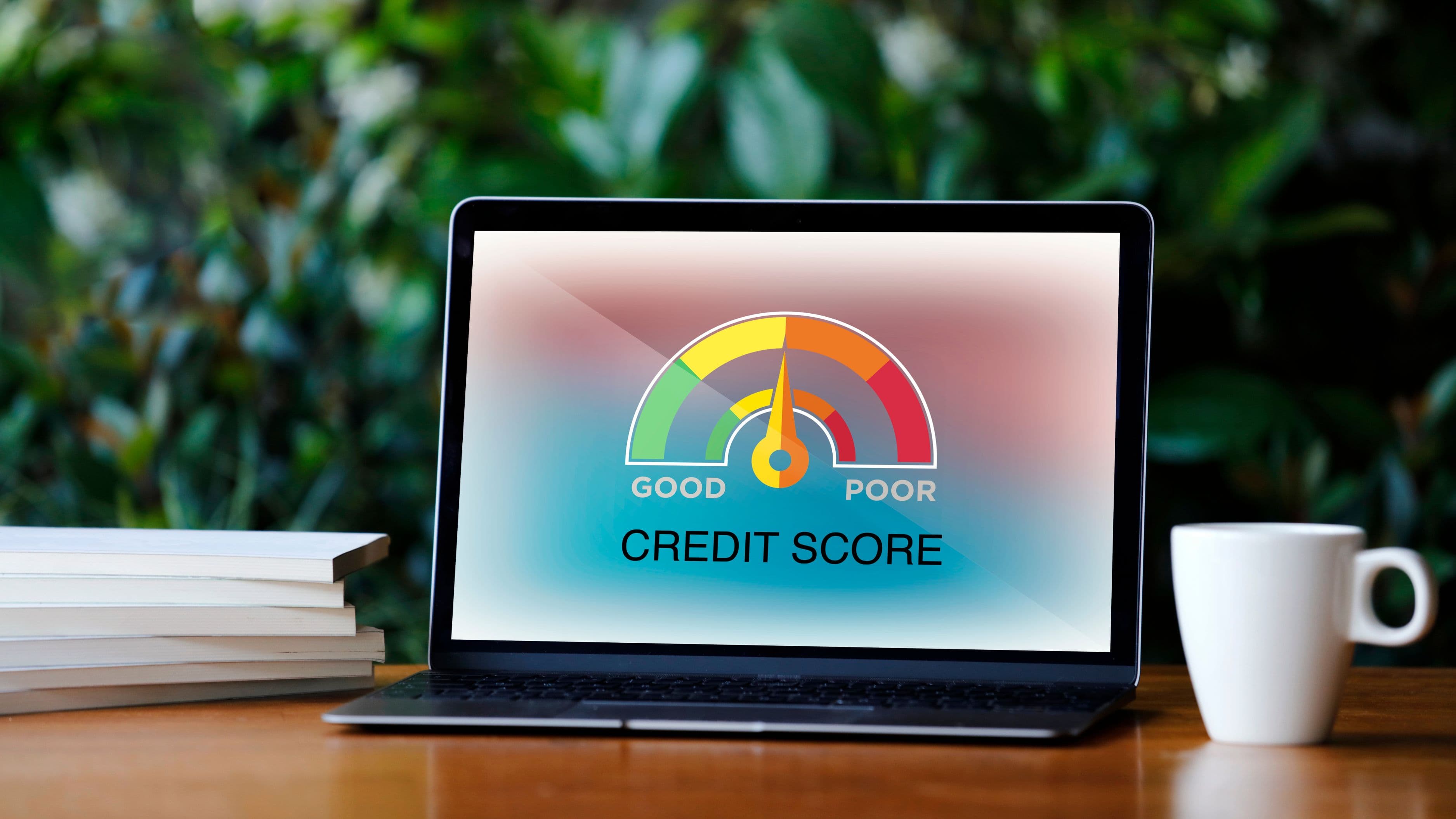
Traditional credit scoring models, like FICO, use a relatively fixed formula – payment history, credit utilization, length of credit history, and a few other standard factors, weighted consistently across every applicant. This approach is transparent and consistent, but it's also somewhat rigid: two people with identical scores get treated the same way, even if their underlying financial situations are quite different.
AI-driven models instead learn patterns from large historical datasets of past borrowers, identifying subtler relationships between behavior and default risk that a fixed formula wouldn't capture. For example, a machine learning model might learn that certain patterns in banking transaction history, like consistent small savings deposits even on a modest income, correlate with lower default risk in ways that traditional credit scoring doesn't directly measure. This is sometimes called "alternative data" underwriting, and it can include things like rent payment history, utility payments, or even cash flow patterns from a checking account, none of which factor into a traditional credit score at all.
The practical result is a system that can evaluate borrowers with limited or no traditional credit history – sometimes called "thin file" applicants – more accurately than a system relying solely on standard credit bureau data, since it has other behavioral signals to draw from instead.
Why It Matters
This shift has real consequences for who gets approved for credit and on what terms. Someone with a thin credit file – a recent immigrant, a young adult early in their financial life, or someone who simply prefers not to use much credit – might be automatically viewed as higher risk under traditional scoring, even if their actual financial behavior suggests otherwise. AI-driven models that incorporate alternative data can potentially open access to credit for these borrowers in ways traditional scoring alone wouldn't.
At the same time, this shift changes what "counts" toward your creditworthiness in ways that aren't always visible to you as a borrower. If a lender's AI model is weighing your checking account transaction patterns alongside your credit score, you may not have full visibility into which specific behaviors are helping or hurting your approval odds, which is a meaningfully different experience than understanding the fairly well-documented factors behind a traditional credit score.
Real-World Examples
Several fintech lenders have built their entire underwriting approach around this kind of alternative data analysis, specifically targeting borrowers who are creditworthy but underserved by traditional scoring models. This has been particularly relevant for small business lending, where a business's actual cash flow – money moving in and out of its bank accounts – can be a more accurate predictor of loan repayment ability than the business owner's personal credit score alone, especially for newer businesses without an extensive credit history.
Larger traditional banks have also been incorporating machine learning into their existing risk models, generally as a supplement to traditional credit scoring rather than a wholesale replacement, using it to catch risk signals that a standard score might miss, or conversely, to identify creditworthy applicants who a standard score might unfairly categorize as too risky. This layered approach reflects a cautious rollout of these tools within larger, more heavily regulated institutions compared to newer fintech lenders operating with more flexibility.
Risks and Limitations
The biggest concern with AI-driven credit models is that they can inadvertently learn and reinforce biased patterns present in historical data, even without any input data explicitly related to race, gender, or other protected characteristics. If historical lending data reflects past discriminatory patterns, a model trained on that data can learn to replicate those patterns through proxy variables, correlating certain neighborhoods, spending patterns, or other data points with outcomes in ways that echo historical bias, even unintentionally. This is a genuine, actively studied problem in fintech and banking regulation, not a hypothetical concern, and regulators including the Consumer Financial Protection Bureau have specifically scrutinized this risk in AI-driven lending.
There's also a transparency challenge. Traditional credit scoring, while imperfect, is relatively well understood and regulated, with borrowers having established rights to know specific reasons behind a credit decision. Complex AI models can make it harder to pinpoint exactly why a specific application was denied, which creates real challenges for both borrowers seeking to understand and dispute decisions, and for regulators trying to ensure fair lending practices are being followed consistently.
Data privacy is another consideration worth naming directly. Alternative data underwriting often involves analyzing detailed transaction-level data from a borrower's bank accounts, which raises legitimate questions about how that data is stored, used, and protected, beyond its immediate use in a lending decision.
What to Watch Next
Regulatory scrutiny of AI-driven lending models is likely to keep increasing, particularly around explainability requirements – meaning lenders may face growing pressure to be able to clearly explain specific factors behind an AI-assisted lending decision, not just provide a general risk score. This regulatory direction reflects a broader tension in the space: balancing the genuine benefits of more accurate, potentially more inclusive credit access against the real risk of opaque, potentially biased decision-making at scale.
It's also worth watching how borrowers themselves gain more visibility into these systems over time. As alternative data underwriting becomes more common, tools that let consumers understand and potentially improve the specific behavioral factors these models weigh may become more widely available, similar to how credit score simulators became a common consumer tool after traditional credit scoring became more transparent and better understood publicly.
FAQ
Does this mean my credit score doesn't matter anymore? No – most lenders using AI-driven models still incorporate traditional credit scores as a significant input, using AI to add additional context rather than replace established scoring methods entirely.
Can I ask a lender why an AI system denied my loan application? In many cases yes, since fair lending regulations generally require lenders to provide specific reasons for credit denials, though the complexity of some AI models has made this more challenging to fully satisfy in practice.
Does alternative data underwriting help or hurt my chances of approval? It depends entirely on your specific financial behavior and data profile. It can help borrowers with limited traditional credit history who have positive financial behavior patterns like consistent bill payments, but it isn't universally more favorable for every applicant.
Are AI lending models regulated? Yes, they're subject to existing fair lending laws and regulatory oversight from agencies like the Consumer Financial Protection Bureau, though regulation specific to AI's unique characteristics continues to evolve as the technology becomes more widespread.
📚 Sources
Consumer Financial Protection Bureau – Innovation and Alternative Data in Credit Underwriting
Federal Trade Commission – Using Artificial Intelligence and Algorithms in Lending