What's Actually Changing
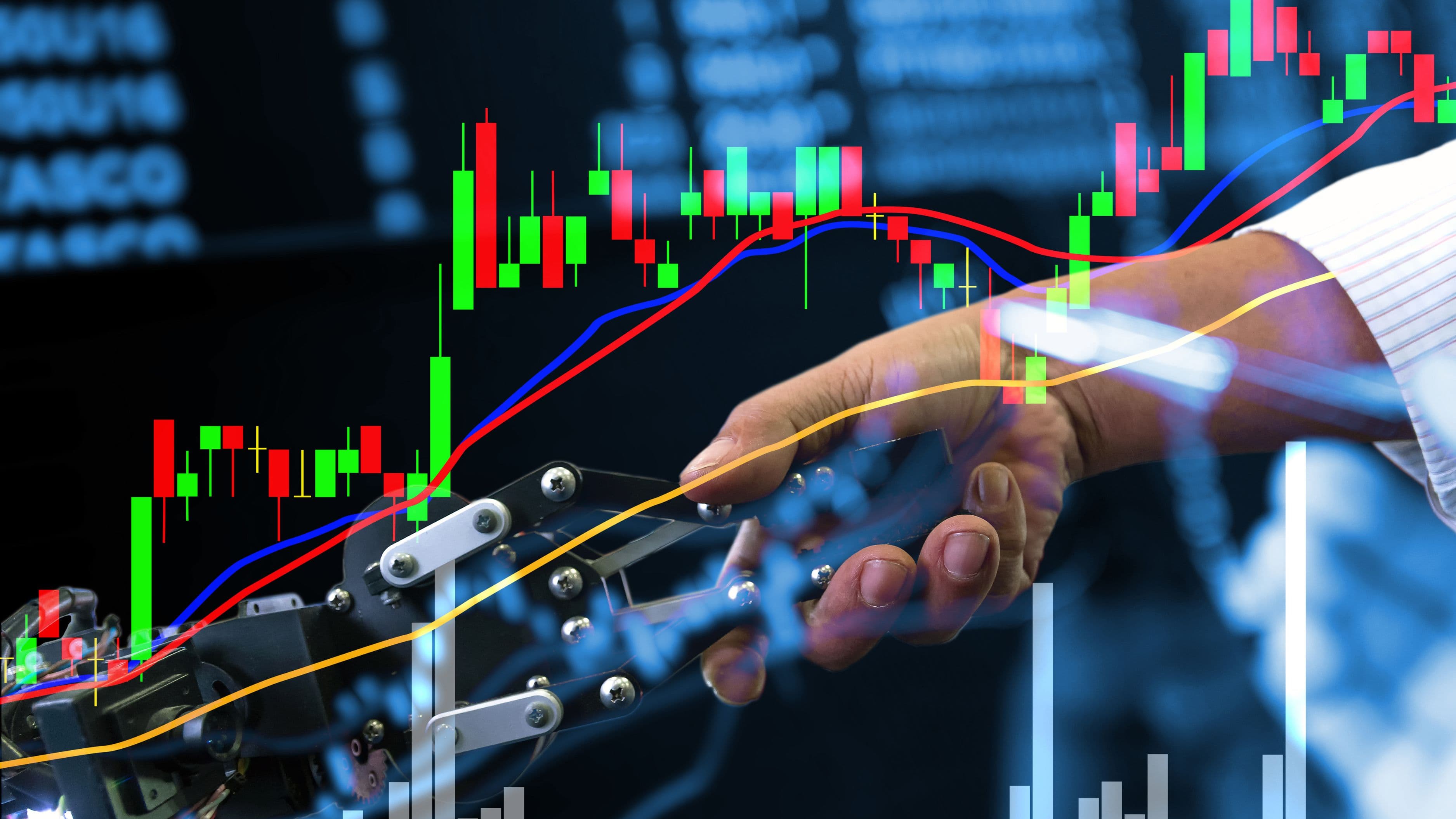
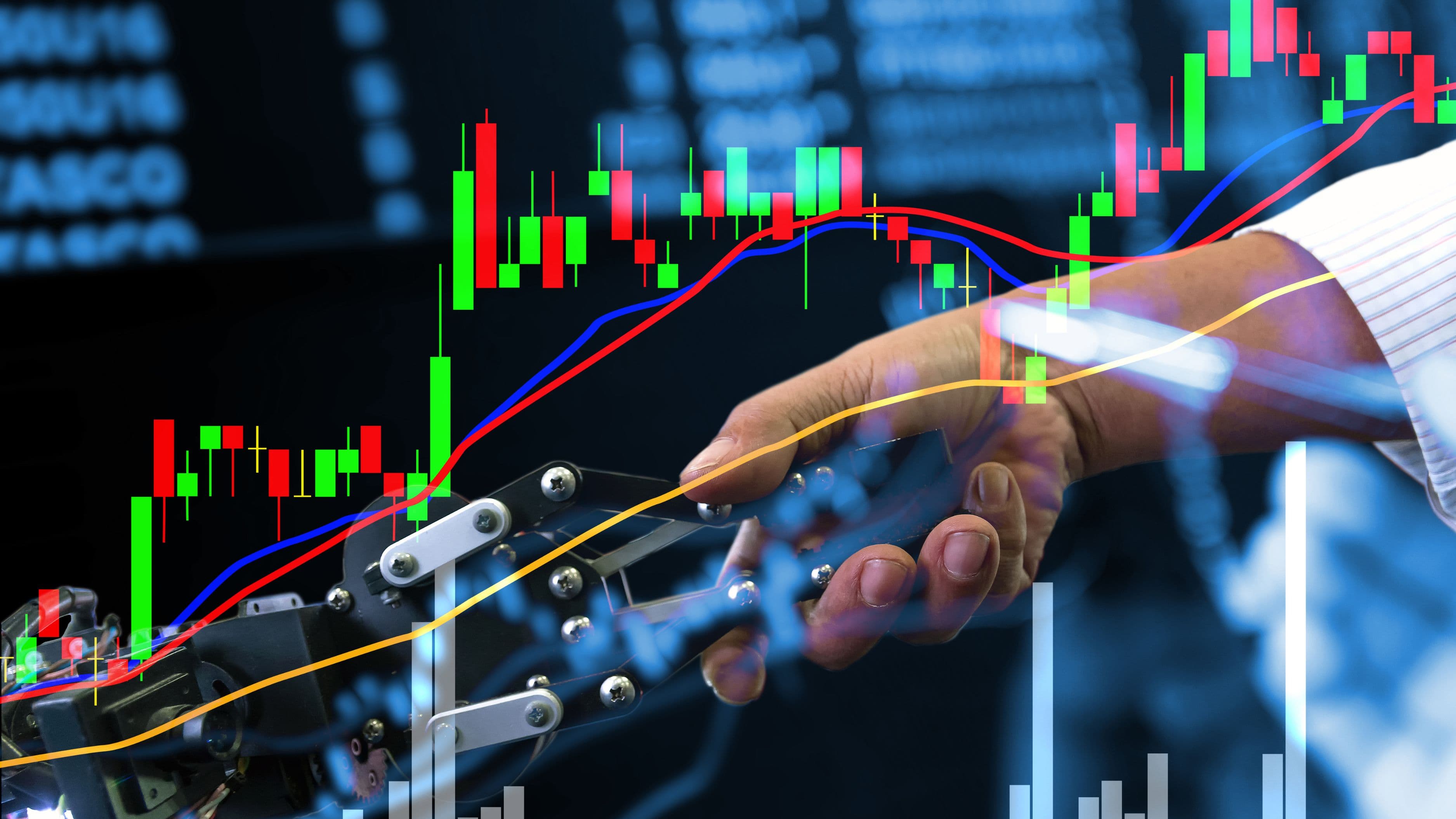
Traditional ETFs mostly fall into two categories: passive funds that simply track an index (like the S&P 500) and rebalance on a fixed schedule, or actively managed funds where a human portfolio manager makes ongoing decisions. AI-powered ETFs introduce a third approach, where machine learning models analyze data and make or influence buy, sell, and weighting decisions, sometimes continuously rather than on a fixed schedule.
These AI-driven funds typically use models trained to identify patterns across huge datasets – earnings reports, price movements, economic indicators, even alternative data sources like satellite imagery of retail parking lots or shipping activity – to inform which holdings the fund should adjust and when. The goal is to react to relevant signals faster or more comprehensively than a traditional research team working through the same volume of information manually.
Why This Matters for Everyday Investors
It changes what "active management" can mean at scale. Historically, sophisticated, data-intensive active strategies were mostly available to institutional investors or hedge funds with large research teams. AI-powered ETFs make a version of that data-driven, adaptive approach available to everyday retail investors through a simple, tradeable fund, often at a lower cost than a traditional actively managed mutual fund with a large human research staff.
It introduces new categories of risk alongside potential benefit. Because these funds rely on machine learning models rather than purely fixed, transparent rules, understanding exactly why the fund is making a given decision can be less straightforward than with a traditional index fund that simply mirrors a known benchmark. This isn't necessarily a dealbreaker, but it's a real difference worth knowing before investing.
It's reshaping fee structures in the space. Many AI-powered ETFs are priced closer to traditional passive index funds than to expensive actively managed mutual funds, since the "labor" of analysis is largely automated rather than requiring a large team of human analysts. This has put some competitive pressure on both segments of the market.
Real-World Example
Consider an AI-powered ETF designed to track a rotating group of companies believed to be positioned for near-term growth, using a model trained on earnings trends, hiring data, and consumer spending indicators. Rather than rebalancing on a fixed quarterly schedule like many traditional funds, the AI model might adjust holdings more frequently as new data comes in, aiming to respond to relevant shifts faster than a fund tied to a rigid rebalancing calendar.
This kind of adaptive rebalancing is one of the more concrete, practical differences AI brings to ETF management – it's less about a single dramatic innovation and more about incremental improvements in how quickly and comprehensively a fund can process relevant information.
Benefits
AI-driven ETFs can potentially process a much wider range of data than a traditional research team working manually, and they can act on that data faster, without some of the behavioral biases that can affect human decision-making (like holding onto a losing position too long due to emotional attachment). For investors interested in a more actively managed approach without paying traditional active management fees, these funds represent a genuinely new middle ground worth understanding.
Limitations and Risks
Performance track records are still relatively short. Many AI-powered ETFs are newer products, meaning there's less long-term historical performance data to evaluate compared to decades-old traditional index funds. This makes it harder to judge how these strategies perform across different, especially difficult, market cycles.
Model risk is a real and specific concern. An AI model is only as good as the data and assumptions built into it, and if a model was trained primarily on data from a certain type of market environment, its decision-making could behave unexpectedly if conditions shift meaningfully outside of what the training data reflected.
Transparency can be more limited. Traditional index funds are straightforward – you know exactly what benchmark they're tracking and how weighting decisions are made. Some AI-powered funds are less transparent about the specific signals or logic driving individual decisions, which can make it harder for investors to fully evaluate the strategy's reasoning.
Fees, while often lower than traditional active management, still vary meaningfully. It's worth checking the specific expense ratio of any AI-powered ETF rather than assuming it will automatically be priced like a standard passive index fund.
What This Means for Your Portfolio
If you're interested in AI-powered ETFs, it's worth treating them the way you'd treat any actively managed strategy – understanding the fund's specific approach, checking its actual track record (while remembering shorter track records carry more uncertainty), and being clear-eyed that "AI-powered" doesn't automatically mean lower risk or guaranteed outperformance compared to a traditional index fund. For many investors, a core portfolio built around low-cost traditional index funds, with a smaller allocation to newer or more experimental strategies like AI-driven ETFs, is a reasonable way to explore this space without over-concentrating in a less-tested approach.
Common Mistakes to Avoid
Don't assume "AI-powered" automatically means better performance. The label describes a different process for making investment decisions, not a guaranteed outcome, and these funds carry real risk like any other investment.
Avoid skipping the fund's actual prospectus and fact sheet in favor of marketing language. Understanding the actual strategy, fee structure, and disclosed risks matters more than a compelling description of the technology behind it.
FAQ
Are AI-powered ETFs riskier than traditional index funds? They carry a different risk profile rather than simply being universally "riskier" – shorter track records and less transparency around specific decision logic are real considerations, but they're not automatically higher-risk in every sense compared to any actively managed fund.
Do AI-powered ETFs cost more than traditional index funds? Often somewhat more, though frequently less than traditional actively managed mutual funds. It's important to check each specific fund's expense ratio rather than assuming a fixed relationship.
How can I evaluate whether an AI-powered ETF is worth considering? Look at the fund's specific strategy description, actual historical performance (with the caveat that a short track record carries more uncertainty), expense ratio, and how much the provider discloses about their decision-making process.
Bottom Line
AI is genuinely changing what ETFs can do, bringing data-intensive, adaptive strategies to everyday investors in a way that used to be reserved for institutional players. It's a real and interesting development, but it comes with its own set of trade-offs – shorter track records, less transparency in some cases, and the same fundamental truth that applies to any investment: there are no guarantees. Treat AI-powered ETFs as one option worth understanding within a broader, diversified approach, not a shortcut around the basic realities of investment risk.
📚 Sources
Investment Company Institute – ETF Trends and Innovation. ici.org
U.S. Securities and Exchange Commission – Exchange-Traded Funds (ETFs). sec.gov