Here's what this technology actually does, how it works, and where it genuinely saves businesses money versus where the hype outpaces reality.
What Spend Analysis Actually Is
Spend analysis is the process of reviewing a company's purchasing and expense data to identify patterns, redundancies, and opportunities to save money. Traditionally, this meant someone in finance manually combing through spreadsheets, invoices, and expense reports, a slow process that often only caught the most obvious problems and was usually done once a quarter or once a year at best.
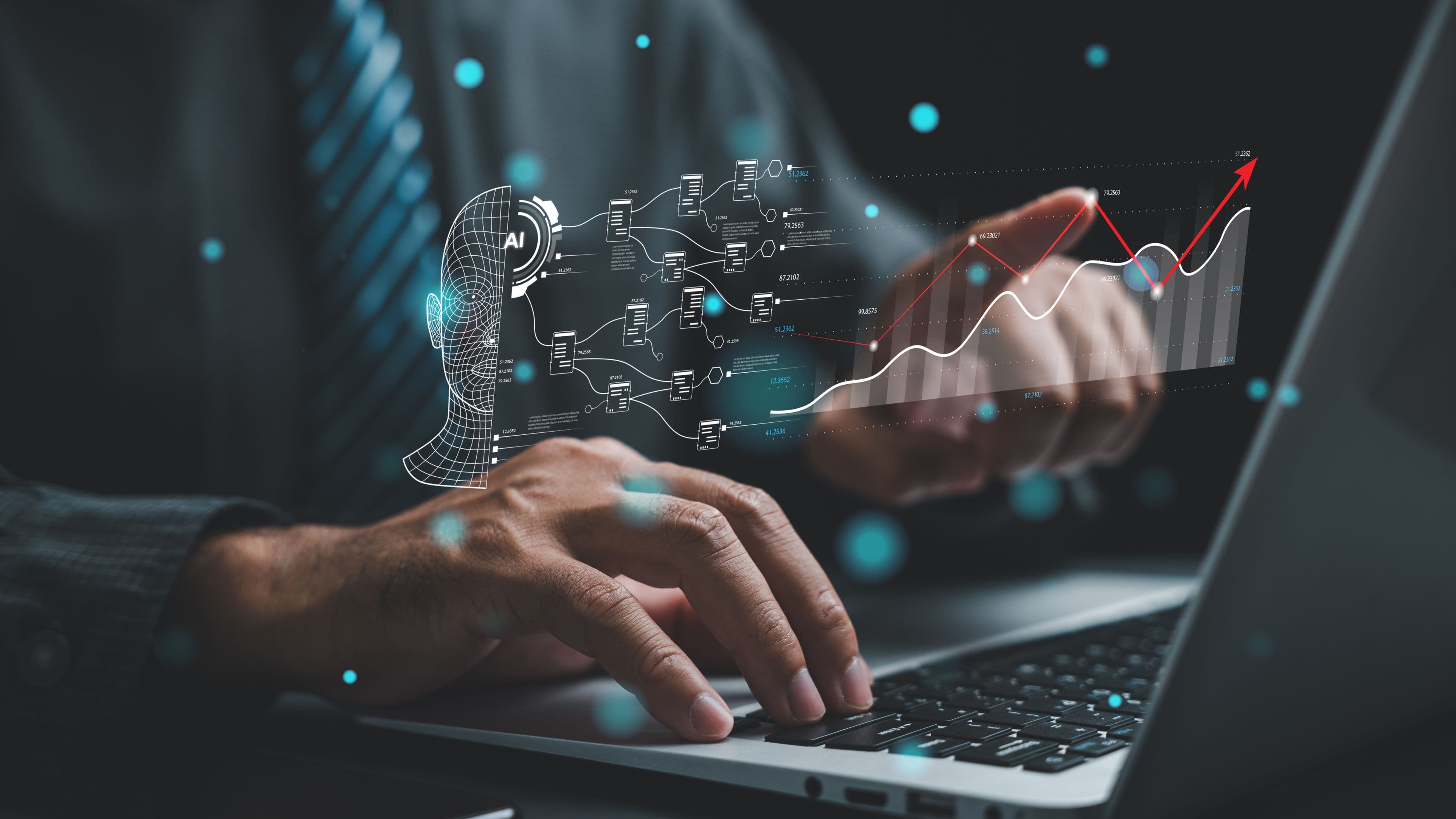
AI-powered spend analysis automates that process, using machine learning to continuously scan a company's transaction data, categorize spending automatically, and surface patterns a human reviewer might miss or simply not have time to find. Instead of a once-a-year manual audit, it becomes an ongoing, real-time process running quietly in the background.
How It Actually Works
The system pulls transaction data from accounting software, corporate credit cards, procurement platforms, and invoicing systems, then uses pattern recognition to group similar expenses together, even when they're labeled inconsistently across departments. This is one of the more practical wins: a human reviewer might miss that "Zoom Video Communications," "Zoom Inc," and "ZM Subscription" are all the same vendor, but an AI system trained to recognize these variations groups them automatically.
From there, the system flags anomalies, like a sudden spike in spending with a particular vendor, duplicate payments, or multiple departments independently paying for overlapping software subscriptions. Many platforms also benchmark your spending against industry data, showing whether you're paying more than typical market rates for a given service or supplier, which gives finance teams a concrete starting point for renegotiation.
Why It Matters for the Business
The most immediate, relatable example is software subscription overlap, often called SaaS sprawl. As companies adopt more digital tools, it's common for different teams to independently sign up for similar services without central visibility, and AI spend analysis tools are particularly good at surfacing this kind of redundancy quickly. A company that discovers it's paying for three different file-sharing platforms across departments can consolidate to one, immediately cutting that specific cost without affecting how anyone actually works.
It also matters for catching billing errors and duplicate payments, which happen more often than most businesses realize, especially at companies processing high volumes of invoices. An AI system reviewing every transaction consistently is far more likely to catch a duplicate charge or an incorrect invoice amount than a finance team manually spot-checking a sample of transactions each month.
Vendor negotiation is another concrete benefit. When a spend analysis tool shows that a company is paying above-market rates for a service, or that multiple departments could be consolidated into a single, larger contract with better volume pricing, that data gives the finance team real leverage in renegotiating terms rather than relying on guesswork.
A Real-World Example
Consider a 200-person company that implements an AI spend analysis tool and discovers, within the first month, that it's running four separate project management subscriptions across different teams, each negotiated independently with no central oversight. Consolidating to a single enterprise contract not only eliminates three redundant subscriptions but also unlocks volume pricing that wasn't available to any individual department on its own.
In a separate but common scenario, the same tool flags a recurring vendor invoice that's been silently increasing by small percentages each quarter without anyone noticing, since each individual increase looked minor in isolation. Surfacing the cumulative increase over a year gives the finance team a clear, specific data point to bring back to the vendor during contract renewal.
Risks and Limitations
AI spend analysis tools are only as good as the data they're connected to, which means messy, inconsistent, or incomplete accounting records can lead to inaccurate categorization or missed patterns. Businesses considering these tools should expect an initial setup period where data needs to be cleaned up and properly integrated before the system can deliver reliable insights.
There's also a real risk of over-trusting automated flags without human review. An AI system might flag a legitimate, intentional spending increase (like a planned expansion into a new market) as an anomaly simply because it doesn't have the business context a human finance team has. The most effective use of these tools pairs automated detection with a human decision-maker who understands the broader business strategy behind the numbers.
Finally, it's worth being realistic about cost. Enterprise-grade spend analysis platforms can carry meaningful subscription costs themselves, so smaller businesses should weigh the platform's price against the realistic scale of savings it's likely to surface given their actual spending volume, rather than assuming the tool will pay for itself automatically regardless of company size.
What This Means for Businesses Going Forward
As more companies operate with distributed teams and a growing stack of digital tools and vendors, the kind of scattered, hard-to-track spending that AI tools are built to catch is only becoming more common, not less. This is part of why spend analysis tools have moved from a niche finance function into something increasingly built directly into mainstream accounting and ERP software rather than sold only as a standalone specialty product.
For a business evaluating whether this is worth adopting, the more practical question isn't whether AI spend analysis works in theory, but whether your current spending data is organized enough to feed into one effectively, and whether you have someone on your finance team ready to act on the insights it surfaces.
FAQ
Is AI spend analysis only useful for large enterprises? No – while large companies often have more scattered spending to catch, small and mid-sized businesses can benefit too, particularly around catching SaaS subscription overlap and billing errors, though the potential savings should be weighed against the platform's cost for smaller spending volumes.
Can AI spend analysis replace a finance team? No – it's a tool that surfaces patterns and flags issues, but interpreting those findings in the context of broader business strategy still requires human judgment and decision-making.
How accurate is AI at categorizing business expenses? Accuracy depends heavily on the quality and consistency of the underlying transaction data, and most platforms improve over time as they're trained on a company's specific spending patterns, but initial results may require manual review and correction.
Does this technology require a major overhaul of existing accounting systems? Not usually – most platforms are designed to integrate with existing accounting software, credit card systems, and procurement platforms rather than requiring a full system replacement, though some data cleanup is typically needed for accurate results.
AI-powered spend analysis isn't about replacing financial judgment with automation. It's about giving finance teams visibility into patterns that were always there, just too scattered and time-consuming for a human to catch consistently on their own.
📚 Sources
McKinsey – The Future of Procurement Analytics - https://www.mckinsey.com/capabilities/operations/our-insights/the-data-driven-enterprise-of-2025
Gartner – AI in Finance and Procurement Trends - https://www.gartner.com/en/finance/topics/finance-ai