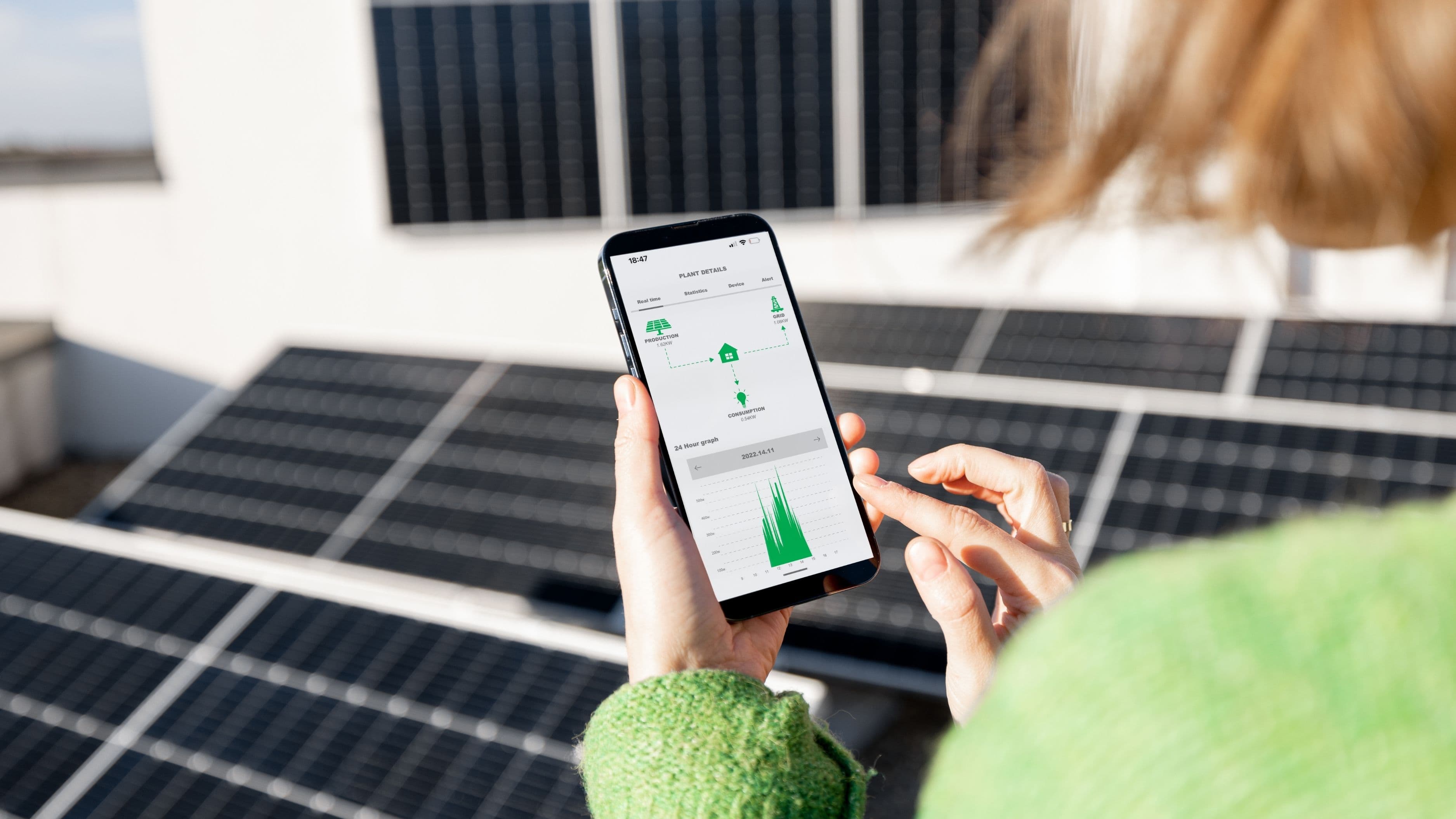
Solar Energy Adoption Is Accelerating as Homeowners Look for Long-Term Energy Stability
Solar energy has moved from a niche technology to a mainstream energy solution for residential properties. Rising electricity costs, environmental awareness, and government incentives are encouraging more homeowners to consider solar power installations.
One of the key drivers of solar adoption is the declining cost of solar panel technology. Manufacturing improvements and expanded global production have significantly reduced installation costs over the past decade. As a result, the financial barrier for homeowners considering solar energy has become much lower.
Solar panel efficiency has also improved dramatically. Modern panels generate more electricity from the same amount of sunlight compared with earlier models. This allows homeowners with smaller roofs or limited space to still benefit from solar energy systems.
Battery storage technology is another factor accelerating adoption. Solar batteries allow homeowners to store excess electricity generated during the day and use it at night or during power outages. This reduces dependence on traditional utility grids and provides greater energy independence.
Government incentives continue to play an important role in solar adoption. Many countries and states offer tax credits, rebates, or net metering programs that allow homeowners to receive credit for excess electricity sent back to the grid.
Environmental considerations are also motivating homeowners. Solar energy significantly reduces carbon emissions associated with traditional electricity generation. As climate awareness increases, renewable energy solutions are becoming more appealing to environmentally conscious households.
The solar industry itself is also evolving. Installation companies are offering more flexible financing models, including solar leases and power purchase agreements that reduce upfront costs for homeowners.
As energy systems become more decentralized and renewable technology continues to advance, solar energy is expected to play a central role in the future of residential power generation.
📚 Sources
International Energy Agency. Solar Energy Market Report, 2024.
National Renewable Energy Laboratory. Residential Solar Adoption Study, 2025.
U.S. Department of Energy. Home Solar Energy Systems Guide, 2024.
🔍 Explore Related Topics
Solar panel installation costs and savings
Solar battery storage benefits
Net metering and solar energy credits
Government incentives for solar installations
Solar panel maintenance and lifespan
Solar leasing vs purchasing systems
Environmental benefits of solar energy
Solar power for residential homes
Calculating solar system payback periods
Future trends in renewable energy




-YfPvQR9573r0yk5fI1KlvQs9jbqPe5.jpg&w=3840&q=75)
-Cvz2MPiqglDcMDb87QLiZSw3bHz9cx.jpg&w=3840&q=75)
-5WoLzzfiIS5eYSudVp0PDDDpDxmPkz.jpg&w=3840&q=75)
-LnEJxIvJsMaaCIFCU3u0xTwfk4nuEg.jpg&w=3840&q=75)

-WzVQVto5TH6W0oZb4nUDAPaC2khXph.jpg&w=3840&q=75)
-3vcOVrEwJYIFWVamGYmSxqEt7q2tnW.jpg&w=3840&q=75)